
The pace this year has been relentless, the stakes impossibly high, and the harm to people’s lives and dignity all too real.
When the world feels like it’s lurching from one crisis to the next, Amnesty doesn’t look away. We investigate, we speak out, we pressure those in power, and we organize people like you to demand something better.
We refuse to normalize injustice.
Here’s a snapshot of our wins and research from 2026 and how your support is helping turn outrage into impact, even in the most challenging moments.
People-Powered Campaign Wins
Grassroots mobilization, advocacy, legislative work and media outreach are ways Amnesty International works around the planet to press governments, companies and decision-makers to do the right thing.
Alligator Alcatraz shut down!
On June 25, the Everglades Detention Facility, also known as “Alligator Alcatraz,” was finally shut down. It opened in July 2025 to detain migrants and asylum seekers, operating as a deliberate system of dehumanization and abuse.
Research by Amnesty International concluded that people arbitrarily detained in the facility were being held in inhumane and unsanitary conditions, including overflowing toilets with fecal matter seeping into sleeping areas, limited access to showers, exposure to insects without protective measures, lights on 24 hours a day, poor-quality food and water, and lack of privacy – including cameras above the toilets.
Some detainees were shackled outside their cages, and some were subjected to treatment amounting to torture, including confinement in a small “box” with restraints.

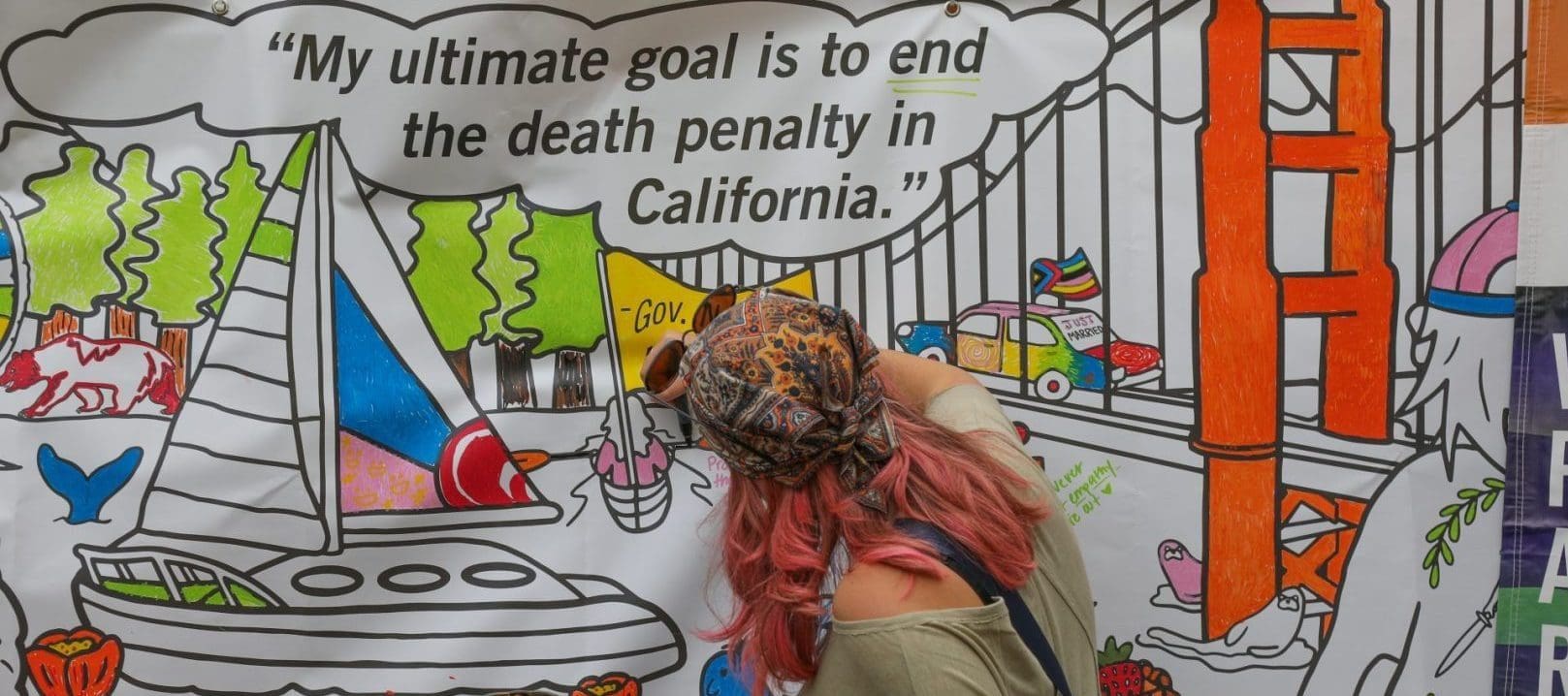
Governor Newsom Commutes Death Row Sentences of Over 500 Prisoners
After repeated calls from Amnesty International and more than 40 other organizations, California Governor Gavin Newsom announced that he will grant clemency and commute the death sentences of those he can on California’s death row and recommend the California Supreme Court review the other cases.
As of November 2026, 548 people have death sentences in California. That’s more than 25% of all people with death sentences in the entire U.S.
Amnesty International opposes the death penalty in all cases, without exception, regardless of the circumstances of the crime, the guilt or innocence of the person, or the method of execution.
Human Rights Defenders Freed
The heart of Amnesty International is our work on behalf of individuals who have had their human rights abused.
We don’t give up, and our efforts can go on for years before producing breakthroughs. In 2026, your support yielded some important victories. Here are just a few.
Leqaa Kordia released after year-long detention

After spending a harrowing year in ICE custody, Leqaa Kordia was finally released on March 16. She was unlawfully detained for peacefully protesting Israel’s genocide in Gaza.
Amnesty International members and supporters around the country sent over 60,000 letters to the Department of Homeland Security to demand Leqaa’s freedom—and your pressure worked! Watch her message of thanks to Amnesty International members.
Andrea Pedro-Francisco freed from ICE detention
Andrea Pedro-Francisco was detained by ICE in February despite suffering from a large ovarian cyst, which caused her extreme pain and posed a risk to her life. She was denied adequate medical care while in detention.
Amnesty mobilized into action, generated over 15,000 letters to the ICE Field Office Director, and in June, she was released from detention and able to undergo surgery.
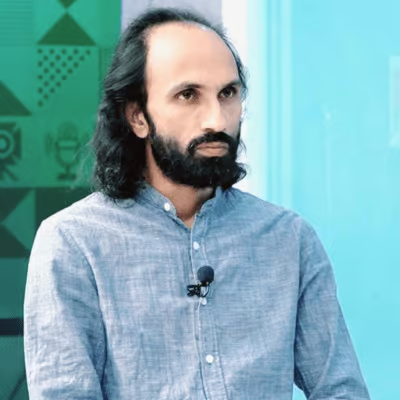
Kashmiri poet and journalist Ahmad Farhad released
After more than 72 days of unlawful administrative detention, Kashmiri poet and journalist Ahmad Farhad was released. Detained solely for the peaceful exercise of his rights, Ahmad endured months of uncertainty and was hospitalized after his health significantly deteriorated while in custody.
His release comes without any charges being filed against him, underscoring the arbitrary nature of his detention. This outcome is a powerful reminder that collective action matters. Every message sent, every signature added, and every voice raised helped shine a spotlight on Ahmad’s case and increased pressure on the authorities.
Ahmed Soliman and Samson Birhane freed
Authorities in Equatorial Guinea released Ahmed Soliman and Samson Birhane from prison. Both of them had been unlawfully removed from the U.S. by ICE and arbitrarily arrested in Equatorial Guinea.
They were released following their public complaints, Amnesty advocacy, and reporting about the human rights violations suffered by people transferred from the U.S. to Equatorial Guinea.
Research Exposing Human Rights Violations
Change starts with the facts. Amnesty International carries out painstaking, fact-based research into human rights violations around the world. Thanks to member support, our rigorous reports are free of government influence and are regularly cited by courts, legislators, teachers and journalists. Here are some of our notable 2026 investigative reports.
Sounding the alarm bells on authoritarian practices
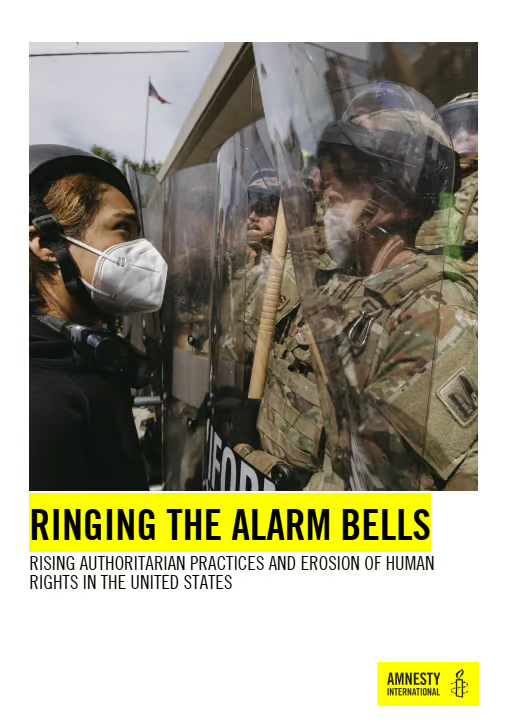
In January, we launched “Ringing the Alarm Bells: Rising Authoritarian Practices and Erosion of Human Rights in the United States,” documenting the first 12 months of the second Trump administration, highlighting 12 alarm bells of authoritarian practices.
This report also includes calls to federal, state, and local officials, public institutions, civil society, and private actors such as technology companies to match the urgency with practical steps to safeguard civic space, restore rule-of-law safeguards, and prevent the normalization of repression and human rights violations. Learn how you can stop authoritarian practices in the U.S.
The Case to Abolish ICE
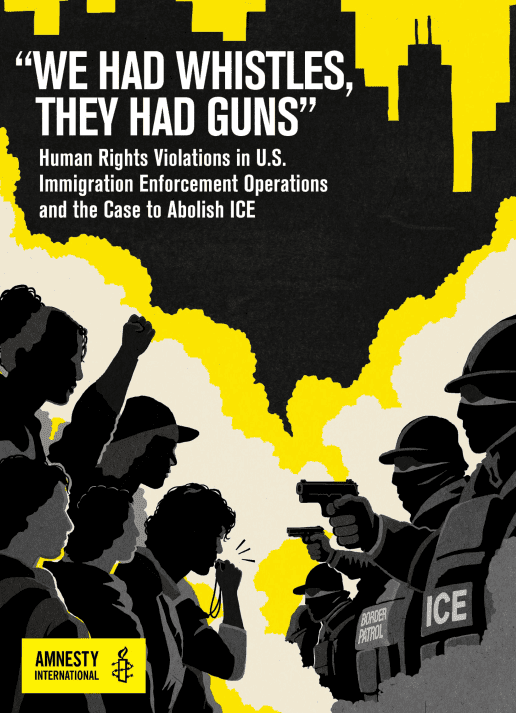
Amnesty’s report, “We Had Whistles, They Had Guns: Human Rights Violations in U.S. Immigration,” documents a mass detention and deportation system whose objective is to detain and deport as many migrants, asylum seekers, and refugees from the United States as possible.
Based on our independent findings and the United States’ human rights obligations under international law, no amount of reform, training, or disciplinary measures will be enough. The extent and scale of the abuses and failures we documented lead to only one possible road to justice: ICE must be abolished.
Censoring pro-Palestinian protestors on campus
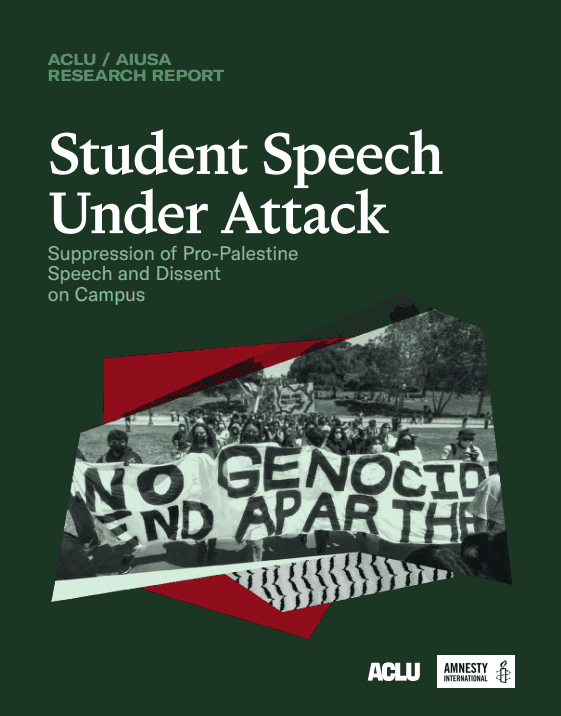
Amnesty released a report, “Student Speech Under Attack: Suppression of Pro-Palestine Speech and Dissent on Campus,” in partnership with ACLU, analyzing how colleges and universities have censored campus speech and unconstitutionally targeted pro-Palestinian protesters over the past three years.
Our findings show these actions have profoundly chilled student speech and resulted in a steep decline in protests on campuses. 97% of the campus protests we analyzed were peaceful – yet students and faculty members were met with police violence, including tear gas, batons, and rubber bullets. Learn how you can defend free expression and peaceful protest.
Ethnic cleansing in the occupied West Bank
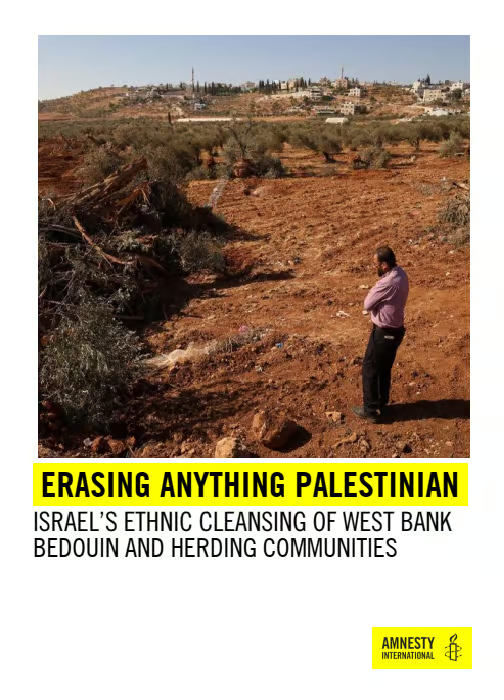
Amnesty’s report, “Erasing Anything Palestinian: Israel’s Ethnic Cleansing of West Bank Bedouin and Herding Communities,” exposed how Israeli authorities have accelerated a state-sponsored program of ethnic cleansing in the occupied West Bank, uprooting, dispossessing, and forcibly transferring Palestinian communities.
Over 26 months, Amnesty crisis investigators conducted extensive research to bring these atrocities to light, collecting evidence through field research, interviews, and policy analysis.
We concluded that Israel committed serious violations of international human rights and humanitarian law, including the war crime of unlawful transfer and the crime against humanity of forcible transfer.
Crimes against humanity in Sudan
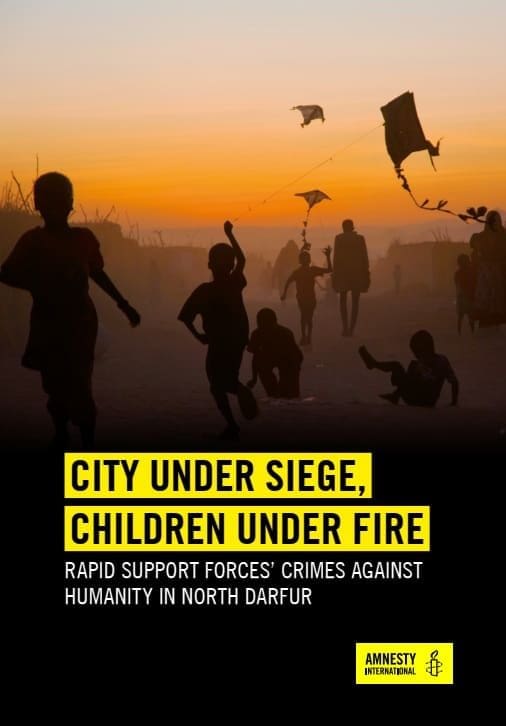
“City Under Siege, Children Under Fire: Rapid Support Forces’ Crimes Against Humanity in North Darfur” explains that the violence and conflict in Sudan is more than a humanitarian crisis — it is a war on civilians. And it is a stain on the conscience of our humanity.
Through our investigations and interviews with survivors, Amnesty has concluded that the Rapid Support Forces (RSF) have committed crimes against humanity and ethnic cleansing in their campaign to seize El Fasher in North Darfur state in Sudan.
Sudan is suffering from the world’s largest humanitarian crisis. Tens of thousands of people have been killed, more than 12 million have fled their homes with nowhere safe to turn, and 14 million children are struggling to survive. Urge Congress to stop the bloodshed in Sudan.
The human rights costs of generative AI
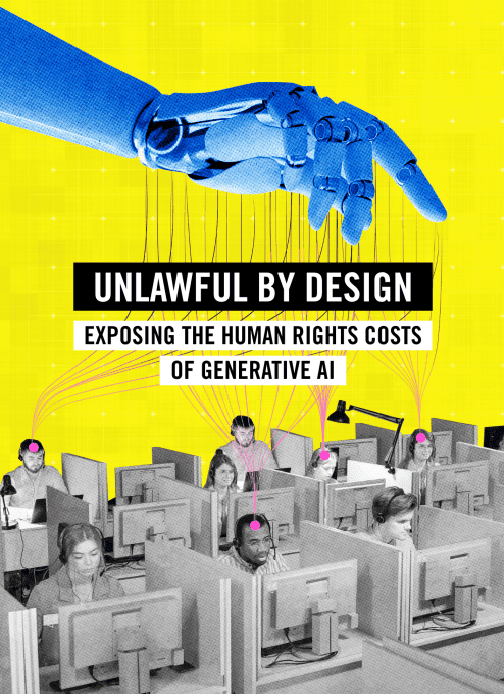
Our briefing, “Unlawful by Design: Exposing the Human Rights Costs of Generative AI,” examines how standalone generative AI systems, based on unlawful web scraping, are in conflict with international human rights law (IHRL) and standards through their design, development and deployment.
While these technologies promise sophisticated automation and efficiency, they rely on data collection and model training practices that abuse privacy rights, enable discrimination, and threaten freedom of expression and thought.
These highlights show that despite the heartbreak of oppression and injustice, when we unite, we connect to our humanity and the generative spirit of what is possible.
We look forward to working together in 2027!