
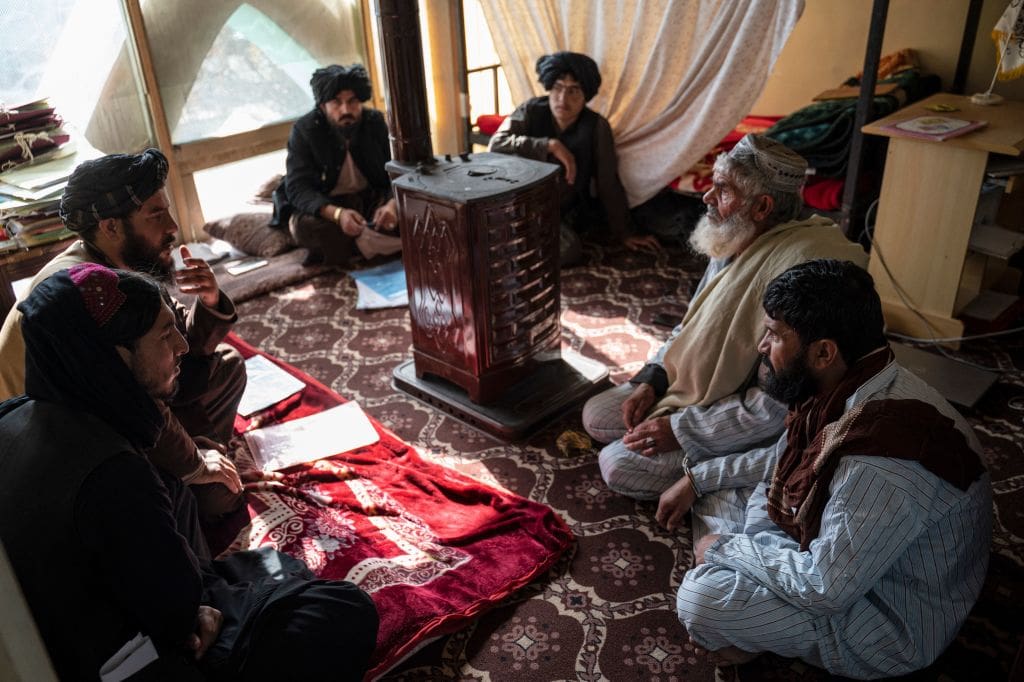
The new “Criminal Procedure Regulation of the Courts,” approved by the Taliban, not only fails to ensure basic guarantees for a fair trial, but it also authorizes the destruction of property as a form of punishment, institutionalizes torture and other ill-treatment through corporal punishment and allows the death penalty for a wide range of offenses. Additionally, the regulation entrenches discrimination based on gender, religion, belief, and social status. It further restricts civic space and undermines the right to freedom of expression and thought, as well as expressly recognizes slavery.
Amnesty International calls on the Taliban to immediately revoke the regulation and stop its implementation, if already started.
As the country’s de facto authorities, the Taliban must not only follow laws that existed prior to their return in August 2021 – particularly those that comply with the country’s obligation under international law – but also ensure that any new procedural legislation or administrative act complies with the fundamental principles of the rule of law and the country’s obligations under international human rights law.
Amnesty International also calls on the international community, including regional and members of the Organization of Islamic Cooperation (OIC) countries, to publicly reject such abusive regulation by the Taliban and to prevail on the Taliban to comply with the country’s obligations under international human rights law and to take effective measures to end violations of human rights in Afghanistan.
Afghanistan has been facing a legal vacuum since August 2021 when the former government collapsed, and the Taliban seized power. Since then, the Taliban, as the de facto authorities with a caretaker cabinet, have unlawfully declared all existing laws void and imposed their own interpretation of Sharia law. However, among other provisions, Article 7 of the 2004 Constitution obligated Afghanistan to observe the United Nations Chater, the international treaties to which Afghanistan is a State Party, and the Universal Declaration of Human Rights. The Afghan Parliament, the country’s main legislative body, was also dismantled following the Taliban’s seizure of power. Under this legal vacuum, decrees endorsed by the Taliban leader without any clear or stipulated legislative process or broader consultation are considered binding and are gazetted. These decrees are issued in violation of due process and the country’s obligations under international human rights law.
Read “The Taliban Must Immediately Revoke the Criminal Procedure Regulation of the Courts.”