
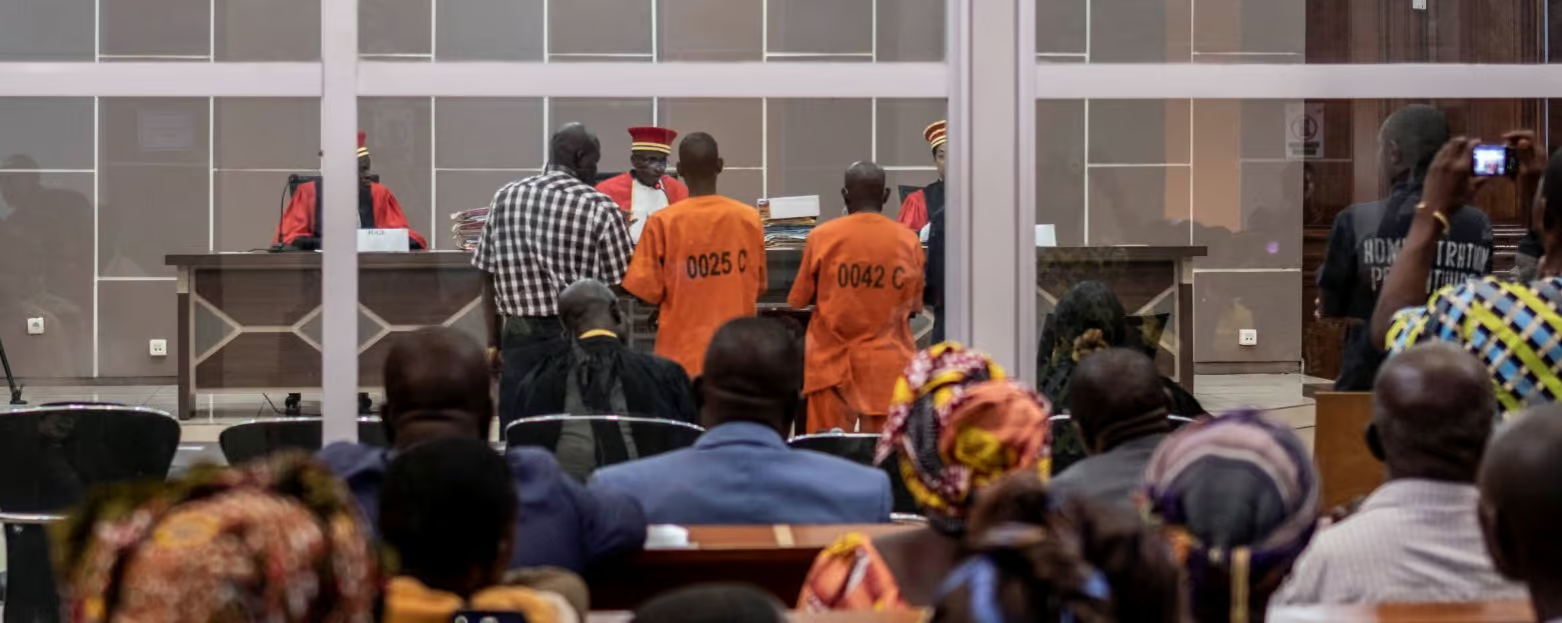
Founded in 2015 and inaugurated in 2018, the Special Criminal Court (SCC) was established at the request of the Central African population and civil society to ensure that crimes committed during two decades of conflict would not go unpunished. Over the past eight years, it has held its first trials, handed down convictions for war crimes and crimes against humanity, and awarded reparations to victims. For many, it remains a source of pride.
Based on interviews conducted in Bangui in April 2026 and an analysis of the Court’s decisions, this report examines these achievements, the expectations they have generated, and the challenges that lie ahead. Victims are still waiting for trials for the deadliest periods of the conflict and those bearing the greatest responsibility. The arrest of wanted suspects remains a major challenge. Above all, the Court is facing a financial crisis that is currently affecting its operations and ongoing proceedings.
Amnesty International calls on the Central African authorities and their partners to support the Court and safeguard its independence, so that victims’ rights to truth, justice and reparations do not depend on the shifting priorities of donors.
Read “The Perpetrators Are Still Here”: The Central African Republic’s Special Criminal Court on Borrowed Time, As Victims Await Justice.