
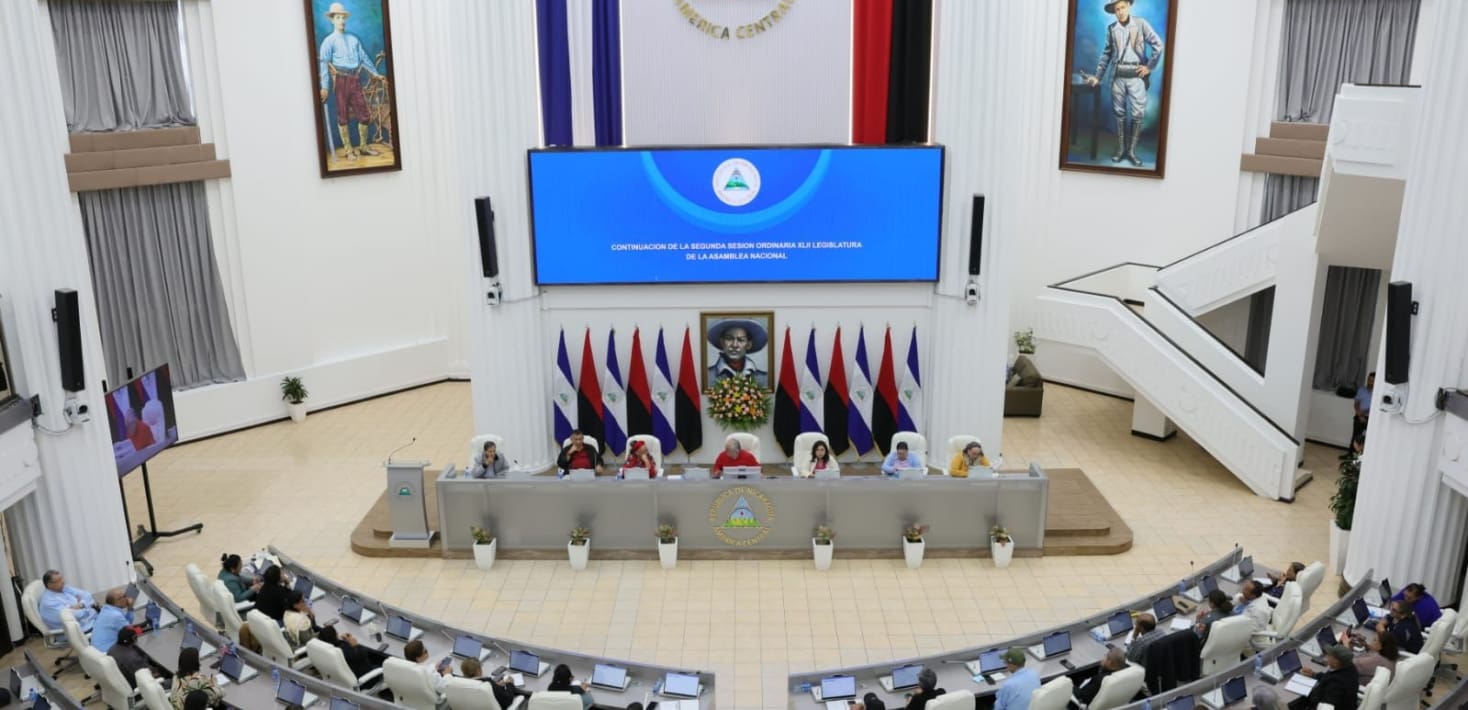
In response to the constitutional reform initiative put forward by the Nicaraguan authorities to extend the presidential term and permanently exclude from electoral processes people labeled by the government as “traitors” or “coup plotters”, Amnesty International warns that these measures represent a further step in dismantling the right of Nicaraguans to participate in the public affairs of their country.
The right of all people to take part in the conduct of public affairs, including the right to vote and to be elected in genuine elections without unreasonable restrictions, is recognized under Article 25 of the International Covenant on Civil and Political Rights (ICCPR). Nicaragua remains bound by this treaty and cannot arbitrarily eliminate or restrict these rights.
“This electoral reform is an attempt to consolidate a system in which the state arbitrarily decides who may exercise a fundamental human right and who is excluded from doing so on political grounds,” said Ana Piquer, Americas Director at Amnesty International.
The reform was presented following statements made by Co-President Daniel Ortega during a commemorative event on July 19, when he declared that “there will be no more elections here”, marking the beginning of a process to incorporate these restrictions into the country’s legal framework.
These measures form part of a sustained process of concentration of power and closure of civic space that intensified following the repression of the 2018 protests, during which, according to civil society organizations and regional and international human rights mechanisms, more than 300 people were killed. Since then, the authorities have cancelled the legal status of more than 5,000 civil society organizations, shut down independent media outlets and arbitrarily stripped people considered to be political opponents, journalists and human rights defenders of their nationality, leaving many stateless and forcing many others into exile.
Far from reversing this deterioration, the authorities have continued dismantling the rule of law and systematically ignoring the recommendations made by international human rights mechanisms. In 2025, they promoted a constitutional reform that abolished the separation of powers and subordinated the legislative, judicial and electoral branches to the Presidency.
More recently, in July 2026, hundreds of legal professionals were stripped of their licenses to practice, in what UN experts described as a purge of the legal profession that leaves victims of repression with virtually no access to independent legal representation.
“Behind every organization that has been shut down, every license revoked and every person stripped of their nationality is someone whom the state has deprived of the ability to express themselves, organize and decide the future of their country. This is what the announcement seeks to turn into law,” added Ana Piquer.
Amnesty International urges the Nicaraguan authorities to refrain from adopting any law or reform aimed at eliminating or unduly restricting the right of people to participate in the public affairs of their country.
The authorities must guarantee periodic and genuine elections through universal suffrage and under conditions that ensure the free expression of the will of the electorate, in accordance with Article 25 of the International Covenant on Civil and Political Rights. They must also end all reprisals against those who exercise or promote this right, including restrictions on freedom of expression, association and peaceful assembly that make effective civic and political participation impossible.
The organization also calls on the UN Human Rights Council and its member states to ensure that the Group of Human Rights Experts on Nicaragua specifically monitors the proposed legislative measures and their impacts.
Amnesty International further calls on other states not to recognize or normalize the suppression of this right as a sovereign domestic decision, and to raise the situation in all relevant multilateral forums, demanding that Nicaragua comply with all its binding obligations under international human rights law, particularly those it has voluntarily undertaken.
Amnesty International will monitor and analyze the proposed reforms and document their impact on the rights of Nicaraguans living in the country and those in exile.
Contact: [email protected]