
HUMAN RIGHTS IN THAILAND
Read the most up-to-date and comprehensive insights regarding human rights in Thailand. You’ll find detailed information covering its background, key issues, ongoing research, urgent actions, and latest news.
Join AIUSA’s Regional and Thematic Coordination Group Action Network
Are you interested in getting involved in AIUSA’s regional and thematic work?
The Latest

Press Release
Thailand: Authorities Must Immediately Release Vietnamese Activist Detained in Alarming Transnational Repression
March 11, 2026

Press Release
Thailand: Extradition of Montagnard Activist to Viet Nam Places Him at Grave Risk of Torture
November 26, 2025

Press Release
China: Hong Kong Bookseller Gui Minhai Must Be Released After Decade of Cruel Secrecy
October 15, 2025
Press Release
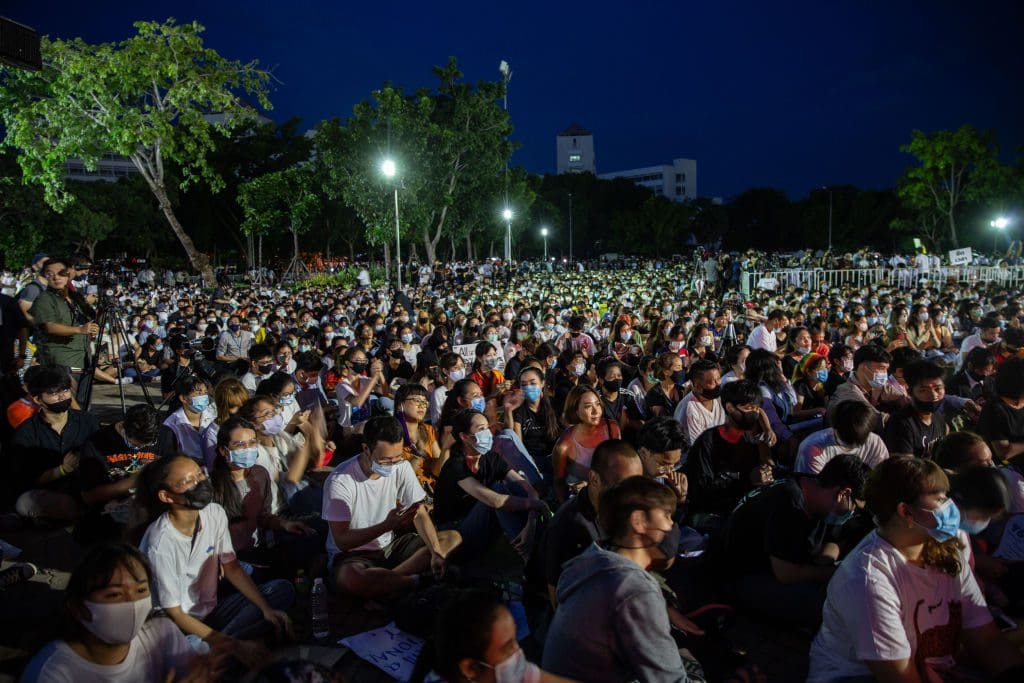
Thailand: New Amnesty Law Must Clear Peaceful Protesters of All Charges Including Lèse-Majesté
July 15, 2025
Press Release
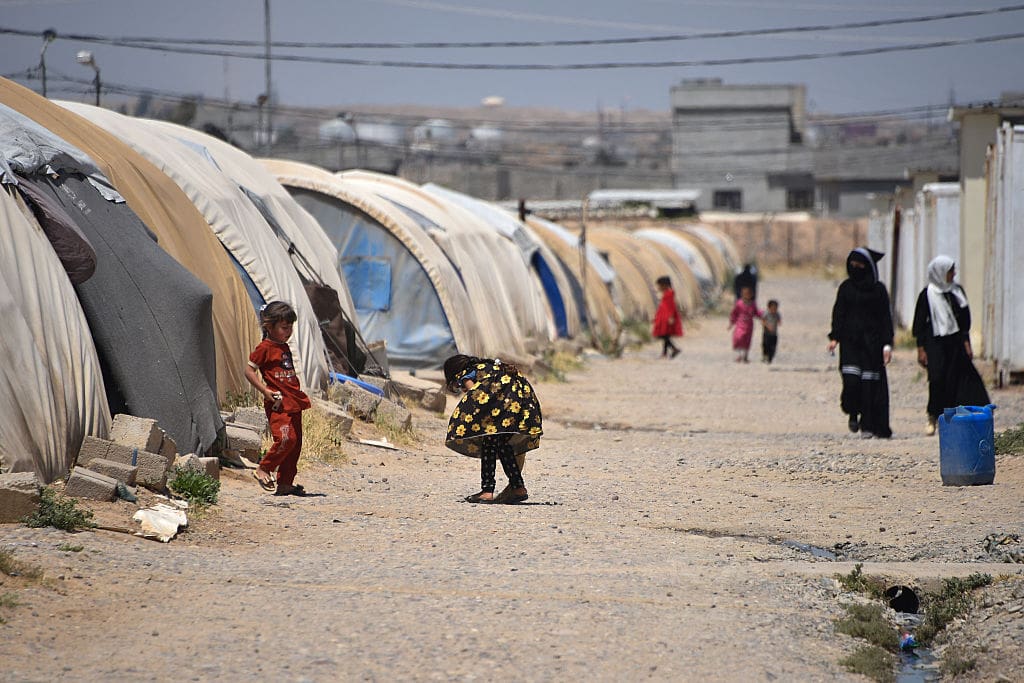
Amnesty International Warns of Devastating Consequences as Abrupt U.S. Foreign Aid Cuts Threaten Human Rights Globally
May 29, 2025

Press Release
Thailand: ‘Deportation’ of Uyghurs to China ‘Unimaginably Cruel’
February 27, 2025 | Uyghurs
Press Release
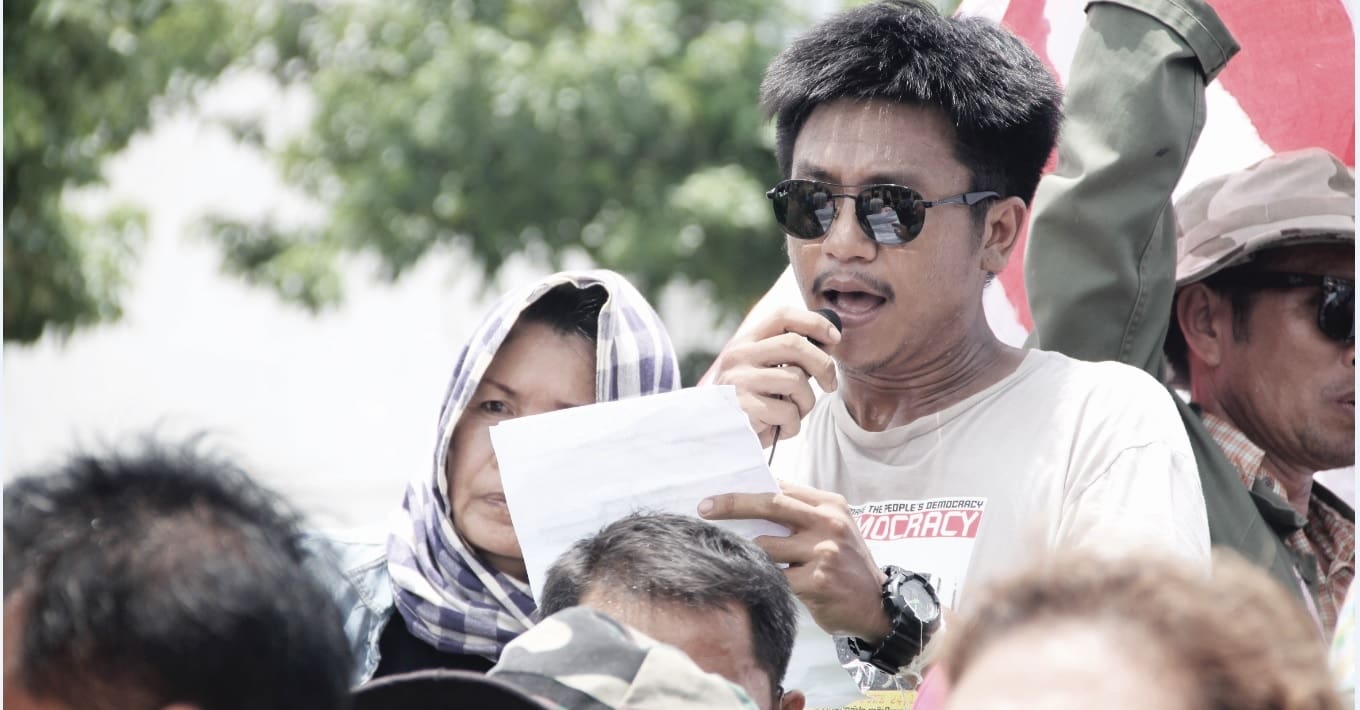
Thailand: Dismissal of Landmark Case a Critical and Alarming Setback in Fight against Unlawful Use of Spyware
November 21, 2024 | NSO Group

Press Release
Thailand: Passing of Marriage Equality Bill a Triumphant Moment for LGBTI Rights
June 18, 2024
Blog
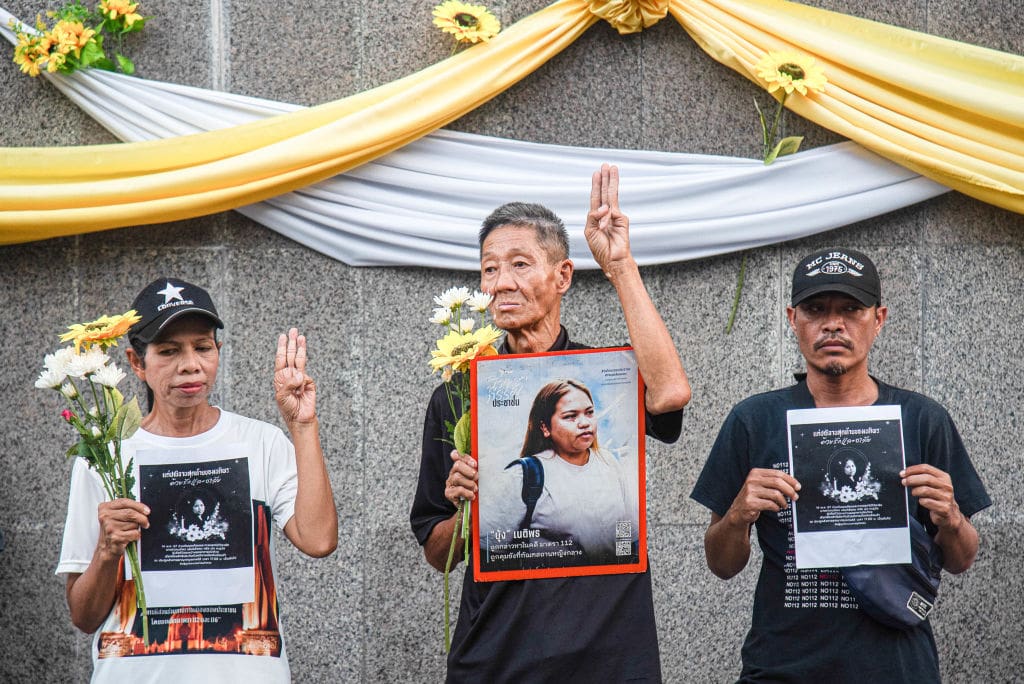
Thailand: U.S. Needs to End Muted Approach to Thai Officials’ Abusive Application of Draconian Law
June 10, 2024
Press Release
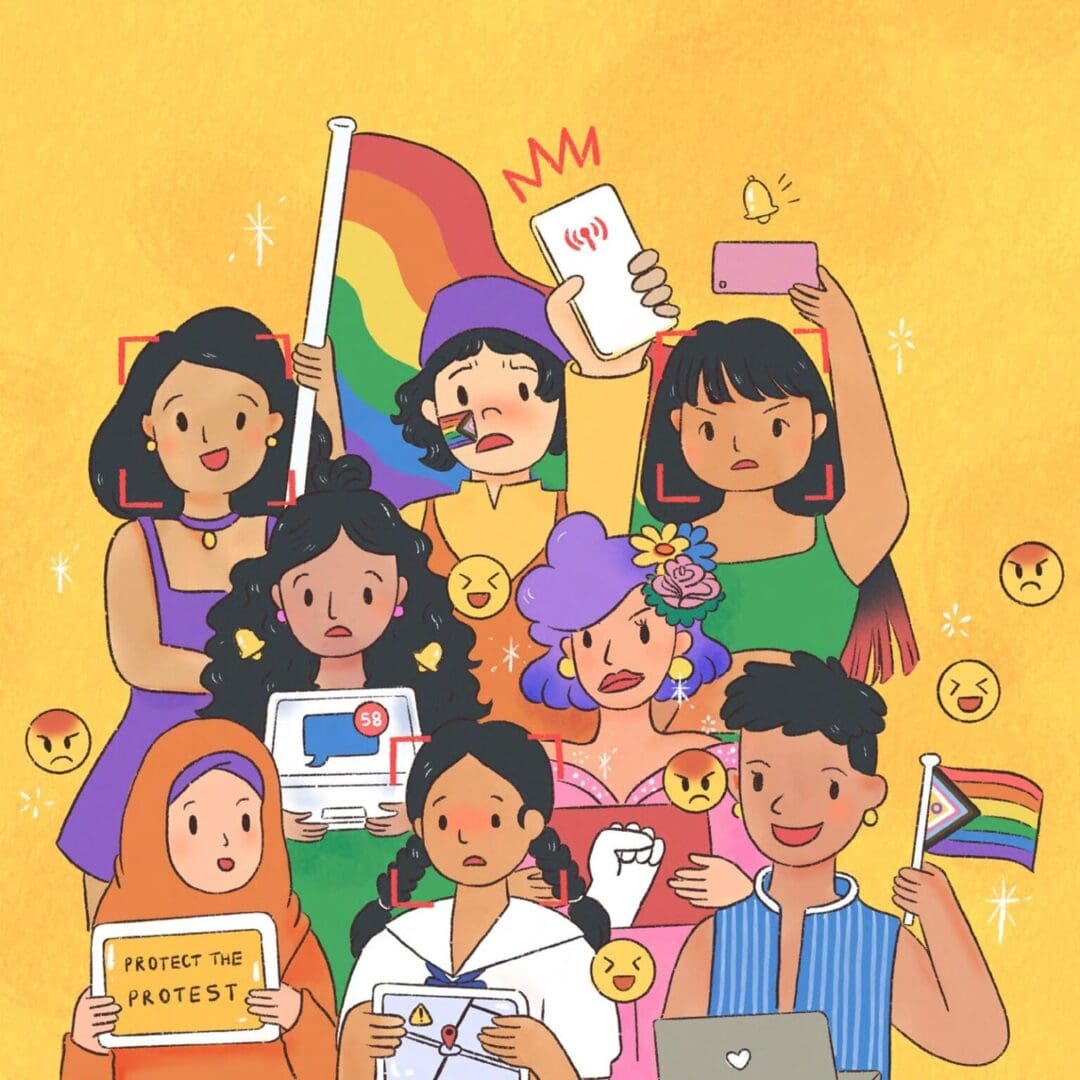
Thailand: State-Backed Digital Violence Used to Silence Women and LGBTI Activists
May 15, 2024 | Thailand
Report
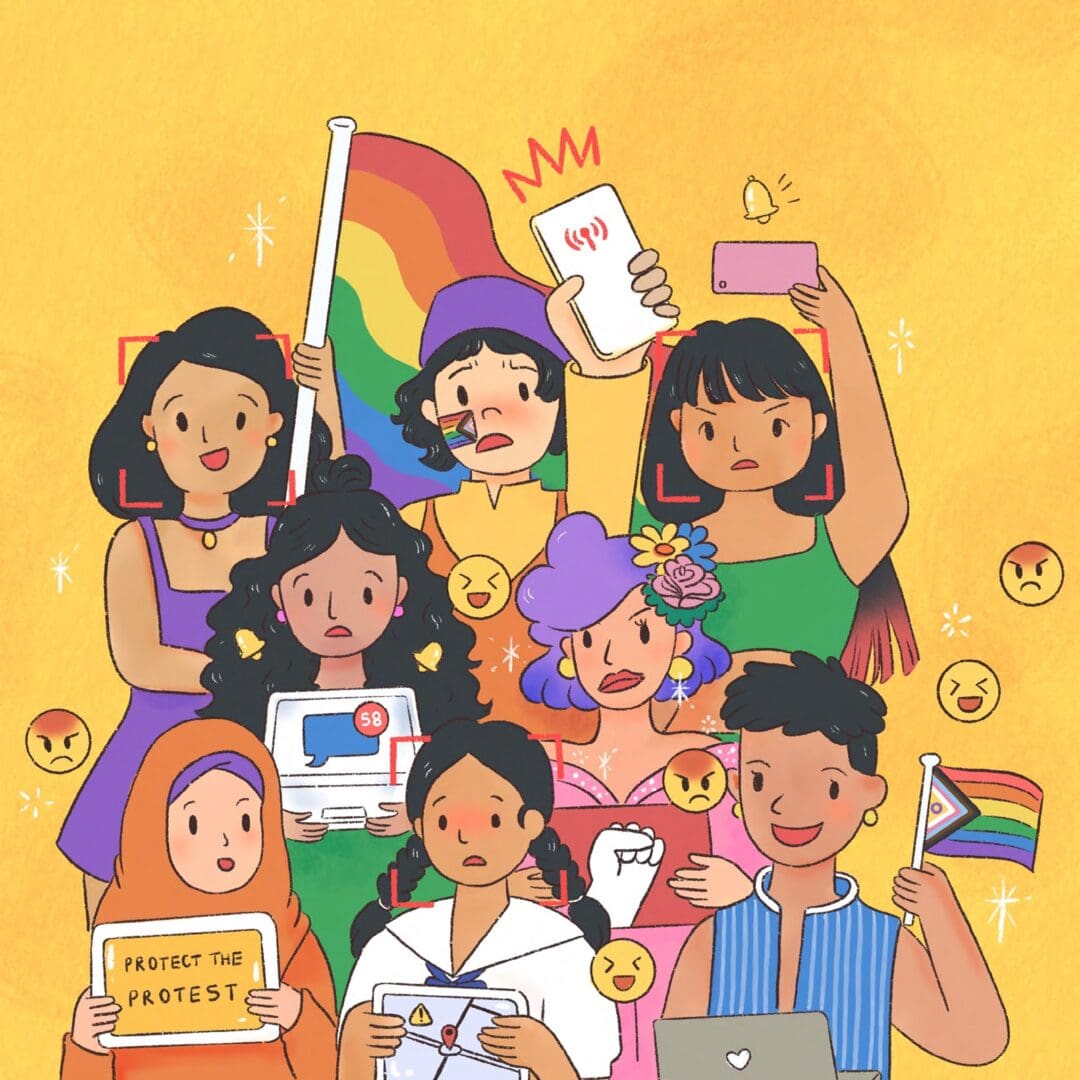
Being Ourselves is Too Dangerous – Digital Violence and the Silencing of Women and LGBTI Activists in Thailand
May 15, 2024

Press Release
Thailand: Drop Groundless Charges Against Youth Activists
April 29, 2024 | Thailand Human Rights