Despite the end of the decade-long civil war in Burundi in 2003, where rape was widely reported as a weapon of war by government and rebel forces, sexual violence continues at an alarming rate. Both in the home and the larger society, police and judicial authorities have done little to respond to victims or find and punish those responsible. Because rape is not taken seriously by the authorities and victims themselves are shunned by relatives and their communities, women rarely report the crime. Those victims who come forward usually seek medical treatment and counseling at international health centers, rather than going to police.
In the absence of government figures, statistics obtained by Burundian and international NGOs show both reported and unreported rape occurring at high levels. The numbers, though, represent only the tip of the iceberg, said the report No Protection from Rape.
Systemic failures in the justice system have created a climate where rape victims are less willing or able to pursue criminal proceedings. The system particularly fails women in rural areas, who are often unaware of how to instigate legal proceedings and are frequently cut off from psychosocial and medical assistance provided by some non-governmental organizations operating in Burundi. Women are often stigmatized by their communities if they make public the attack they endured–often leading them to keep their suffering a secret and cope with the consequences of the violations alone.
The world must act urgently to prohibit the global trade in equipment designed to inflict excruciating pain and injury, Amnesty International and the Omega Research Foundation said today, ahead of a high-level UN meeting on the ‘torture trade’. In a new report, Ending the Torture Trade: The Path to Global Controls on the ‘Tools of Torture’, the organizations also called for controls on standard policing equipment to ensure it does not end up in the hands of abusers.
Authorities in Sub-Saharan Africa must take urgent action to protect people in detention from COVID-19, including releasing prisoners of conscience, reviewing cases of pre-trial detention, and guaranteeing access to healthcare and sanitation products in all facilities, Amnesty International said today.
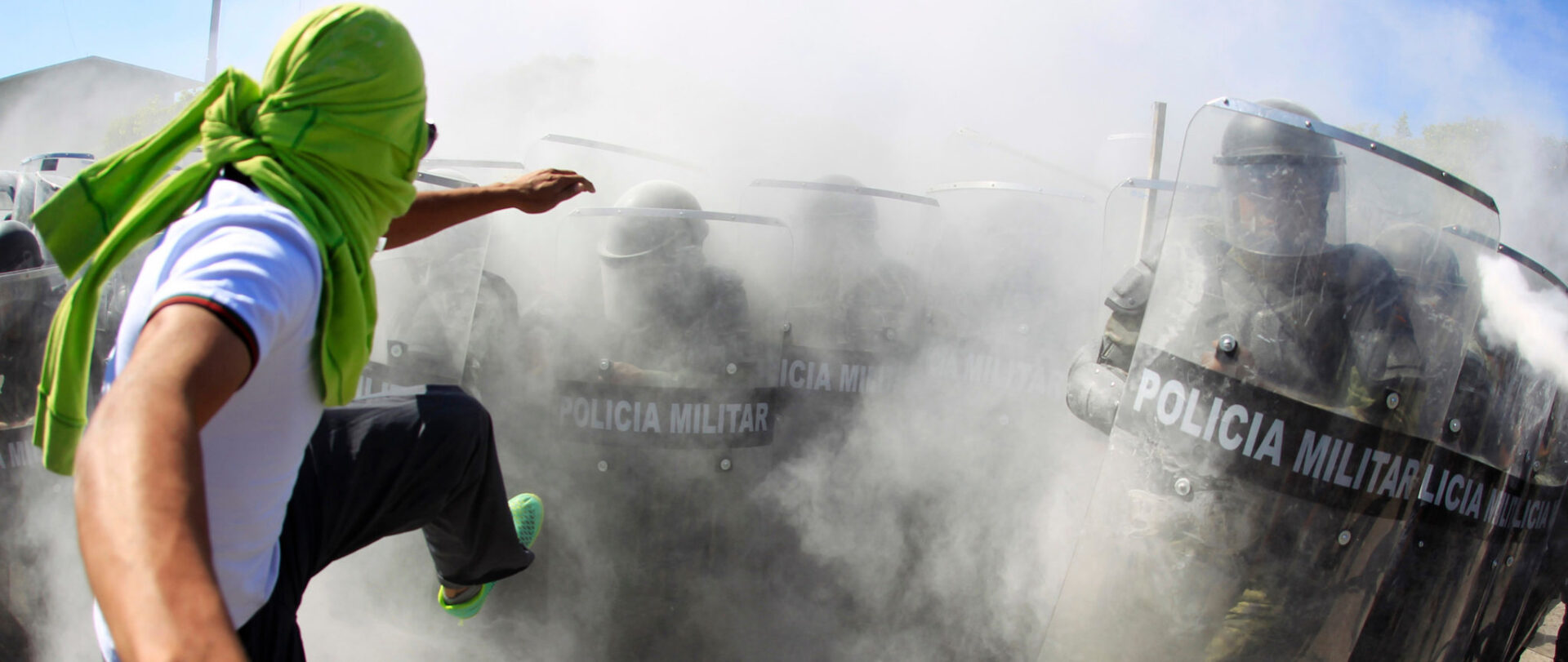
HUMAN RIGHTS IN AFRICA: Protesters across sub-Saharan Africa have braved bullets and beatings to defend their rights in the face of continuing conflict and state repression, Amnesty International said today …
Thousands of Burundian refugees are under mounting pressure to return to their country where they would be at risk of death, rape and torture, said Amnesty International in a report out today.
The UN Committee against Torture (CAT) issued a wake-up call to Burundi today, said Amnesty International after the Committee flagged an increase in the use of torture and other ill-treatment …
One year on from the start of the Burundi crisis, the human rights situation in the country continues to deteriorate and accountability for horrific acts of violence remains elusive, Amnesty International said today. The decision by the Prosecutor of the International Criminal Court (ICC) to open a preliminary examination underlines the gravity of the situation.
On the launch of its 2015 State of the World report, Amnesty International USA urged President Obama to use his last year in office to bring U.S. laws and policies in line with international human rights standards.
International protection of human rights is in danger of unravelling as short-term national self-interest and draconian security crackdowns have led to a wholesale assault on basic freedoms and rights, warned Amnesty International as it launched its annual assessment of human rights around the world. “Your rights are in jeopardy: they are being treated with utter contempt by many governments around the world,” said Salil Shetty, Secretary General of Amnesty International.
Compelling new satellite images, video footage and witness accounts analyzed by Amnesty International in a new briefing strongly indicate that dozens of people killed by Burundian security forces in December were later buried in mass graves.