
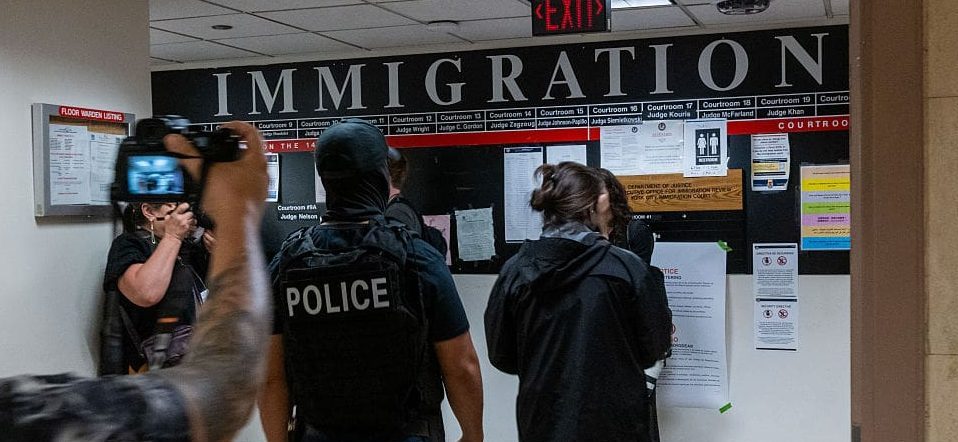
Immigration detention has long been a stain on the U.S. human rights record. But under the Trump administration, this cruelty has been taken to new extremes.
This dangerous new anti-immigrant campaign includes ICE raids, mass detention centers, deputizing local law enforcement agencies as immigration officials, racial profiling, attacks on asylum seekers, deportations to third countries, and the public targeting of immigrant organizers and protestors.
We are at a crossroads. The U.S. government can either continue down a path of cruelty, fear and systemic abuse—or choose a future rooted in dignity, compassion and justice.
Now more than ever, our work to defend human rights and protect immigrant communities is urgent and essential. But we can’t do it alone.
What You Can Do
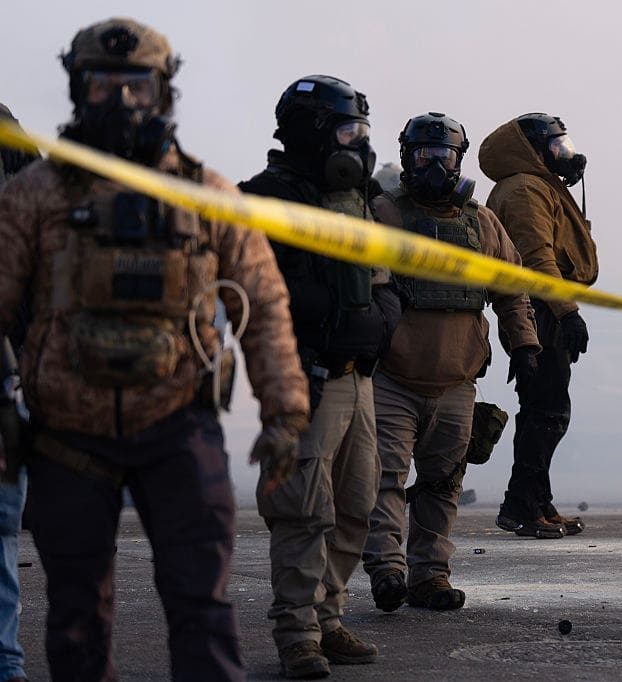
Tell Congress to stop funding ICE and Border Patrol
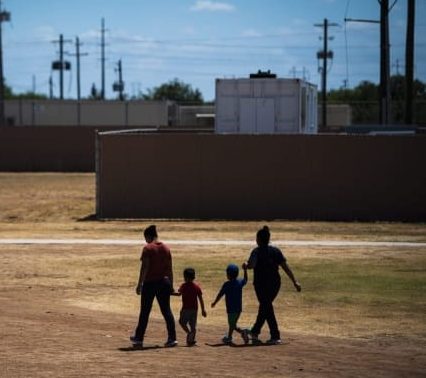
SHUT DOWN THE DILLEY MIGRANT FAMILY DETENTION CENTER

Download our action guide to stop funding ICE and CBP
WHERE AIUSA STANDS ON:
Immigration detention in the U.S. is unnecessary, rife with systemic abuses, arbitrary, and unlawful under international human rights law. Detaining people solely on account of their immigration status constitutes arbitrary detention, a violation of international law. And the detention of families violates the U.S.’s obligations toward the treatment of immigrant children. Fearmongering false narratives about migrant crime and invasions at the border advances policies grounded in white supremacist ideas at the expense of immigrants and people in search of safety in the U.S.
Reopening family detention facilities with devastating histories of abuses, trauma, and long-term psychological damage underscores that cruelty is the point of these Trump administration policies.
Detaining people solely on account of their immigration status constitutes arbitrary detention, a violation of international law. And the detention of families violates the U.S.’s obligations toward the treatment of immigrant children.
Family detention is an inherently cruel practice that results in significant trauma while filling the coffers of corporations exploiting agony and anguish.
We all care about the safety and security of our families and communities. Deporting millions of our immigrant friends and neighbors does nothing to make our communities safe. Trump plans to target people already living in the U.S. and working in areas like agriculture, construction, and healthcare to support their families and make our communities better.
The Trump administration is trampling on civil rights and civil liberties to carry out mass deportations of our immigrant neighbors and friends, who are beloved members of our communities. Black and Brown immigrants are disproportionately targeted by both local police and ICE.
From billion-dollar profits for private prison corporations, like GEO Group and CoreCivic, to filling the gaps of shrinking local budgets, detention contracts incentivize the incarceration of immigrants as a money-making scheme. Whether a detention facility is run by ICE, a local government, or a corporation, detention centers are rife with systemic abuses, medical neglect, and drive perverse profits off people’s lives.
Instead of spending billions of taxpayer dollars on mass detention and deportation, we should invest that money in systems that benefit all our communities like housing, healthcare climate resilience, education, and infrastructure to help strengthen our communities. We need real solutions that respect human rights, address root causes of forced migration, allow for safe and orderly pathways to safety, and meet the needs of communities at the border and in the interior of the United States.
The U.S.’s border policies shamefully rely on deterrence, externalization, and incarceration to punish people for seeking safety, putting people’s lives in jeopardy. The continued focus on punishing people who move to seek a new, better, or safer life is not only cruel, it is ineffective and fuels the United States’ reliance on mass incarceration that disproportionately targets Black and brown people.
Borderland communities are safe, vibrant, and full of the solutions to the issues facing their communities, issues beyond immigration and asylum, like access to healthcare, reproductive justice, housing, quality education, and more.
Local governments and community organizations at the border have been working for years to build a welcoming infrastructure that eases capacity restraints on border agencies, prevents releases into the streets of border cities, educates new arrivals about their immigration responsibilities, and helps them stay off the streets and get connected to their friends, families, and new communities in the United States.
A coordinated and funded welcome and reception system that meets the immediate and long-term needs of people seeking safety would cut the chaos and dysfunction at the border and in big cities in the U.S. while meeting the needs of state, local and tribal communities who can reap the windfall benefits of new federal funding avenues, spending power of new arrivals, and new tax revenue.
The right to seek asylum is non-negotiable. People must have access to seek asylum regardless of how they enter the country, period. The United States has a moral and legal obligation to protect all people who seek safety in our country.
Seeking asylum at the U.S. southern border is extraordinarily dangerous, and people wouldn’t make that dangerous trip if there were viable alternatives.
Racist rhetoric about invasions at the border and fear-mongering about how people seeking safety are security threats fuel policies that deny people their human right to seek safety, force them to wait in danger in Mexico for months, jail them in inhumane conditions, and deport them back to danger.
Asylum does not exist at the U.S. Southern Border, in a country that was once seen as a beacon of humanitarian protection. The Trump Administration’s executive orders impose severe restrictions on asylum seekers entering the United States from Mexico at the southern border, denying human rights and violating international law. as well as the principles of non-refoulement and non-penalization.
Modernizing and investing in capacity at ports of entry allows people to walk up in a safe, orderly manner and be processed expeditiously, and stops forcing people to cross via dangerous routes at the hands of criminal actors.
Resources

Torture and Enforced Disappearances in the Sunshine State: Human Rights Violations at “Alligator Alcatraz” and Krome in Florida
This report presents Amnesty International’s findings from a research trip to document detention conditions since President Trump took office in January 2025.
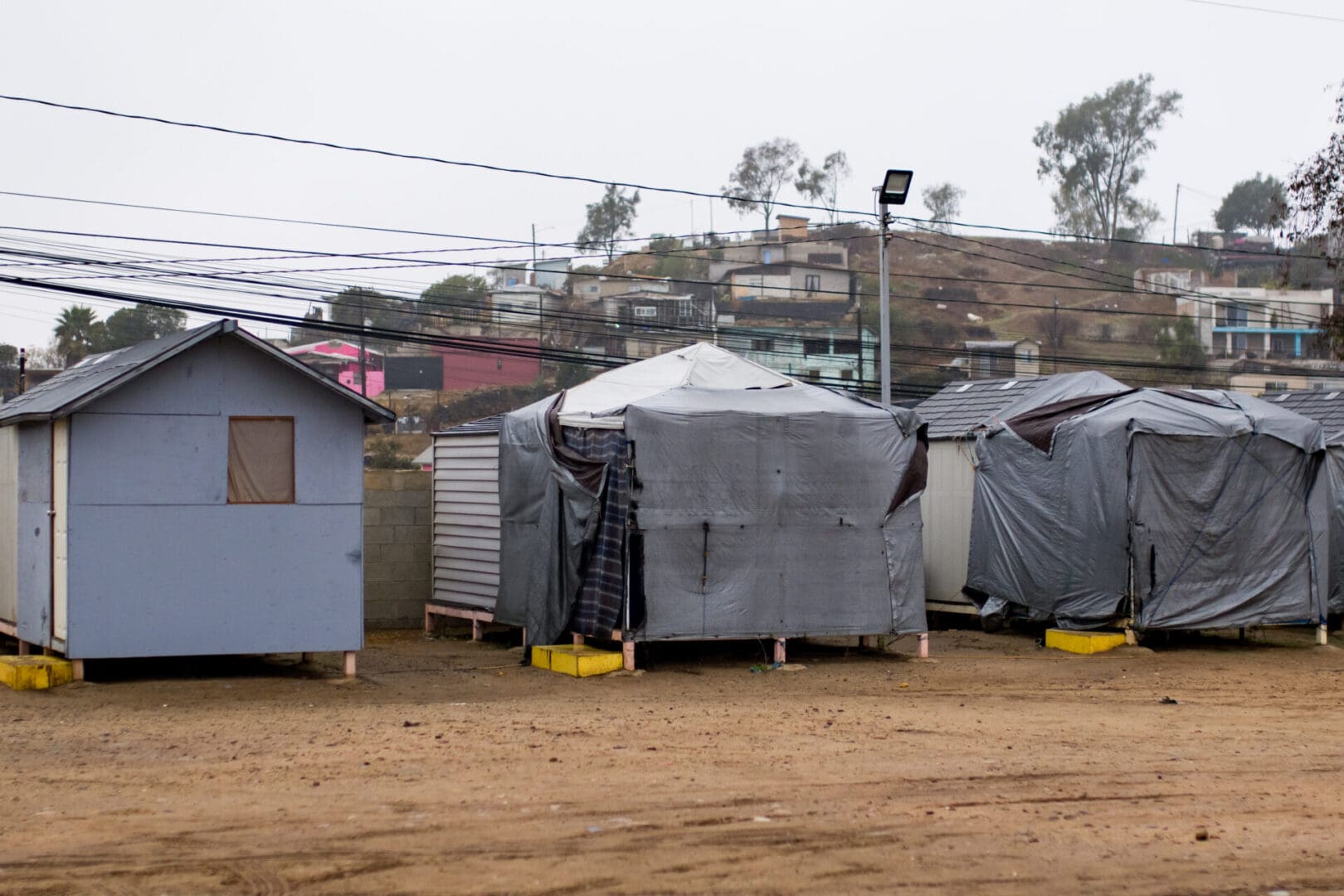
Lives in Limbo: Devastating Impacts of Trump’s Migration and Asylum Policies
This Amnesty International briefing focuses on the end of applying for asylum at the U.S.-Mexico border and the situation of asylum seekers in Mexico.

Know Your Rights: How to Stay Safe Around ICE
Knowing your rights when encountering U.S. Immigration and Customs Enforcement (ICE) keeps our communities safe.
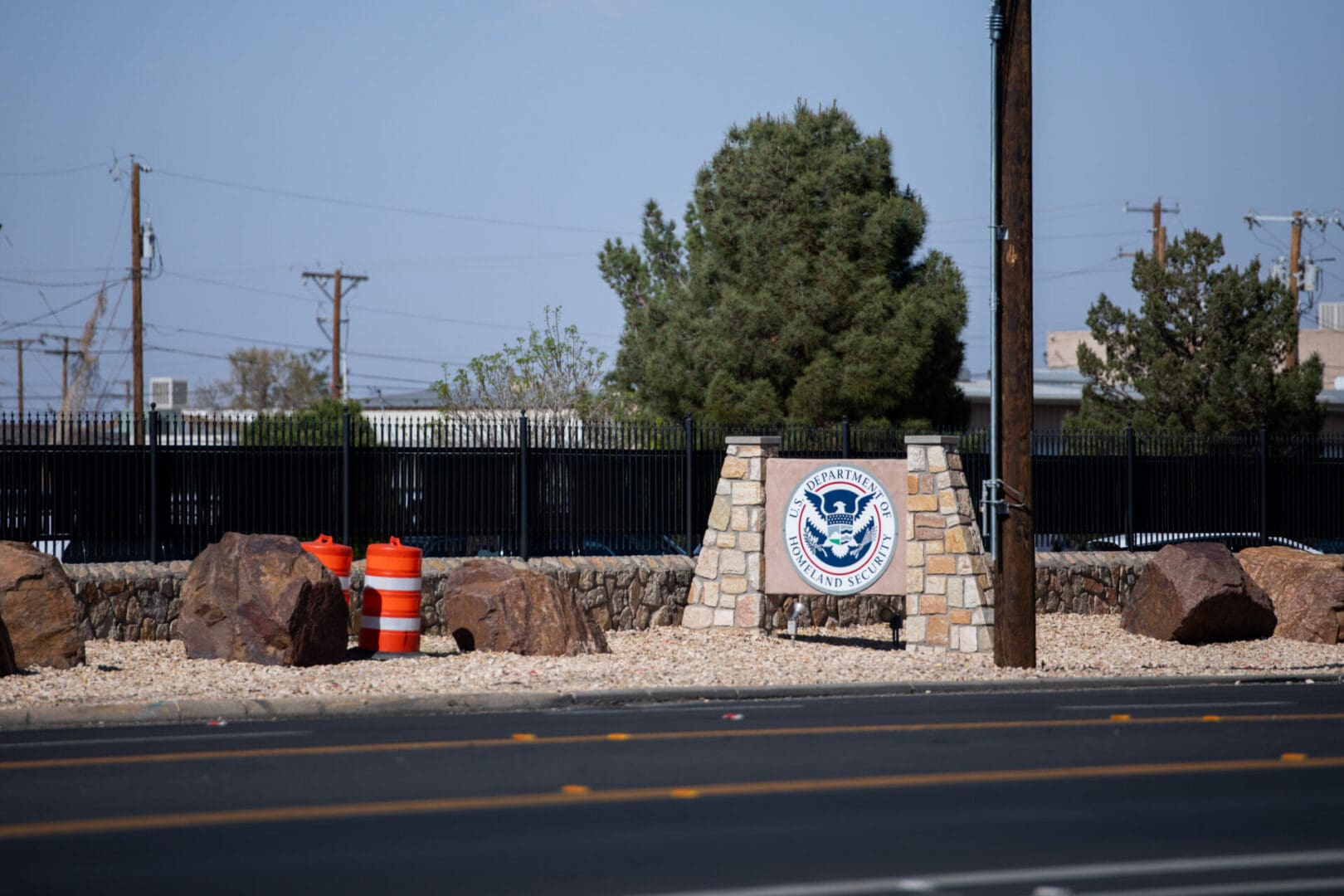
Dehumanized by Design: Human Rights Violations in El Paso
This Amnesty International briefing presents findings from an April 2025 research trip to the El Paso Service Processing Center (EPSPC) detention facility.
The Latest
Press Release
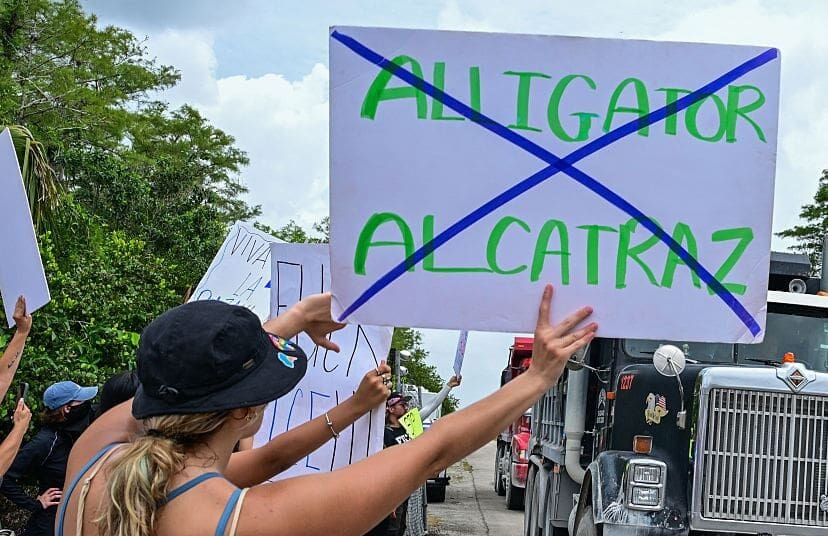
Closing Alligator Alcatraz Would Be Important Step, But U.S. Must Do More to End Cruel Anti-Immigrant Policies and Practices
May 28, 2026

Press Release
Mahmoud Khalil Should Be Free: Freedom of Expression and Assembly are Human Rights
May 22, 2026
Press Release
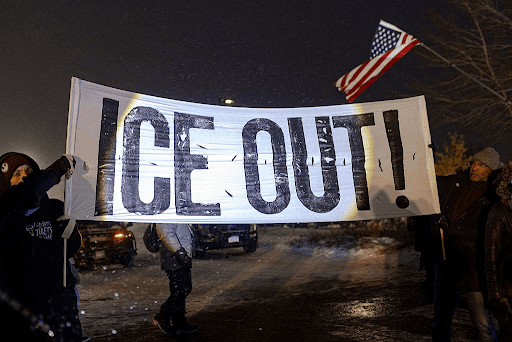
Amnesty International Urges Congress: Not Another Dollar to ICE or Border Patrol
May 20, 2026

Press Release
Poland: Stop Cooperating with ICE on Unlawful Returns of Ukrainians
May 13, 2026

Press Release
House of Representatives Heeds Calls from Advocates, Refuses to Rubber Stamp Billions to ICE and Border Patrol
April 30, 2026
Press Release
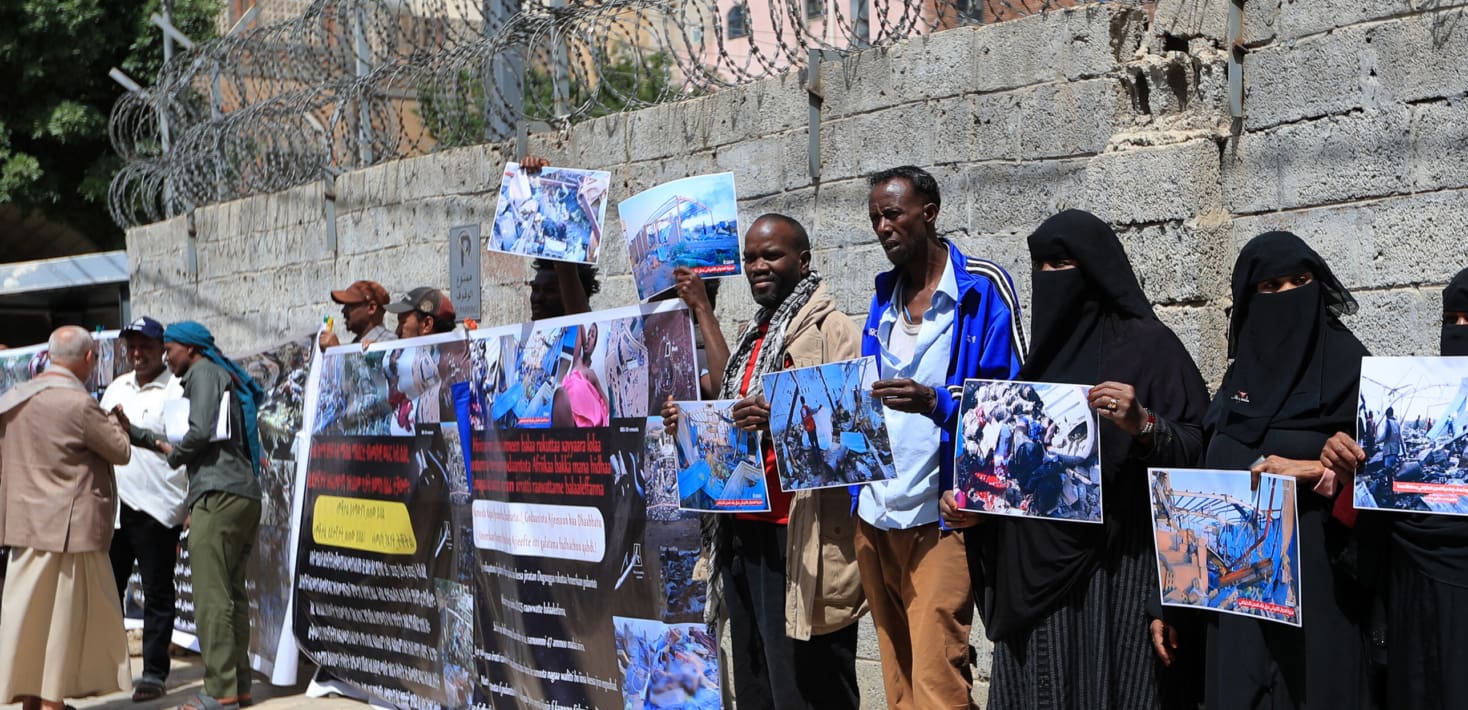
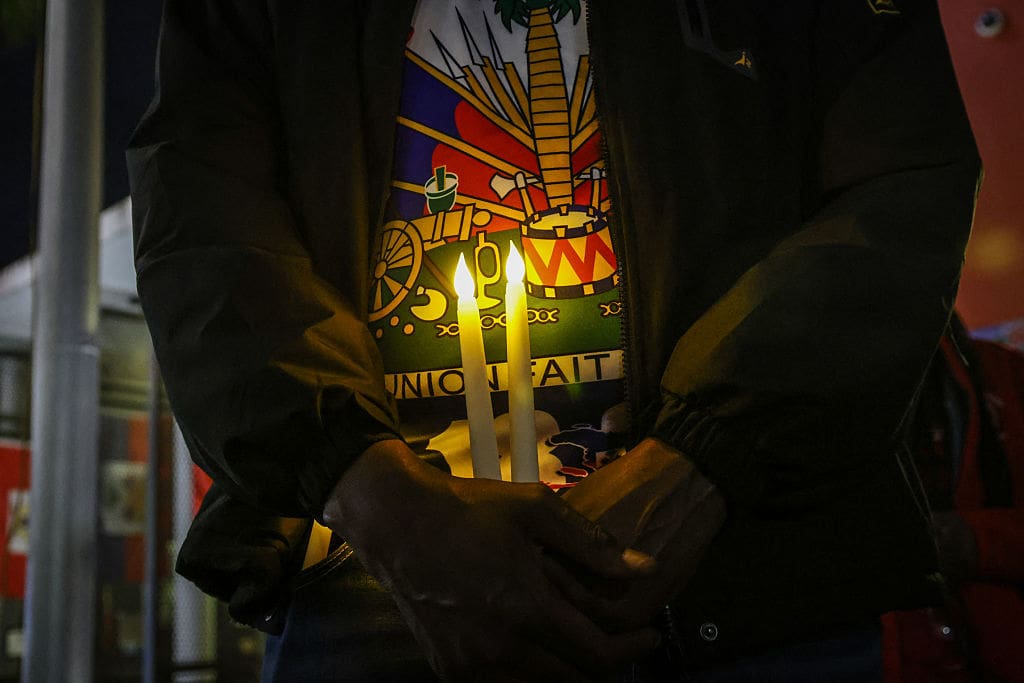
Congress Must Vote YES on HR 1689 to Designate Haiti for Temporary Protected Status
April 16, 2026
Blog
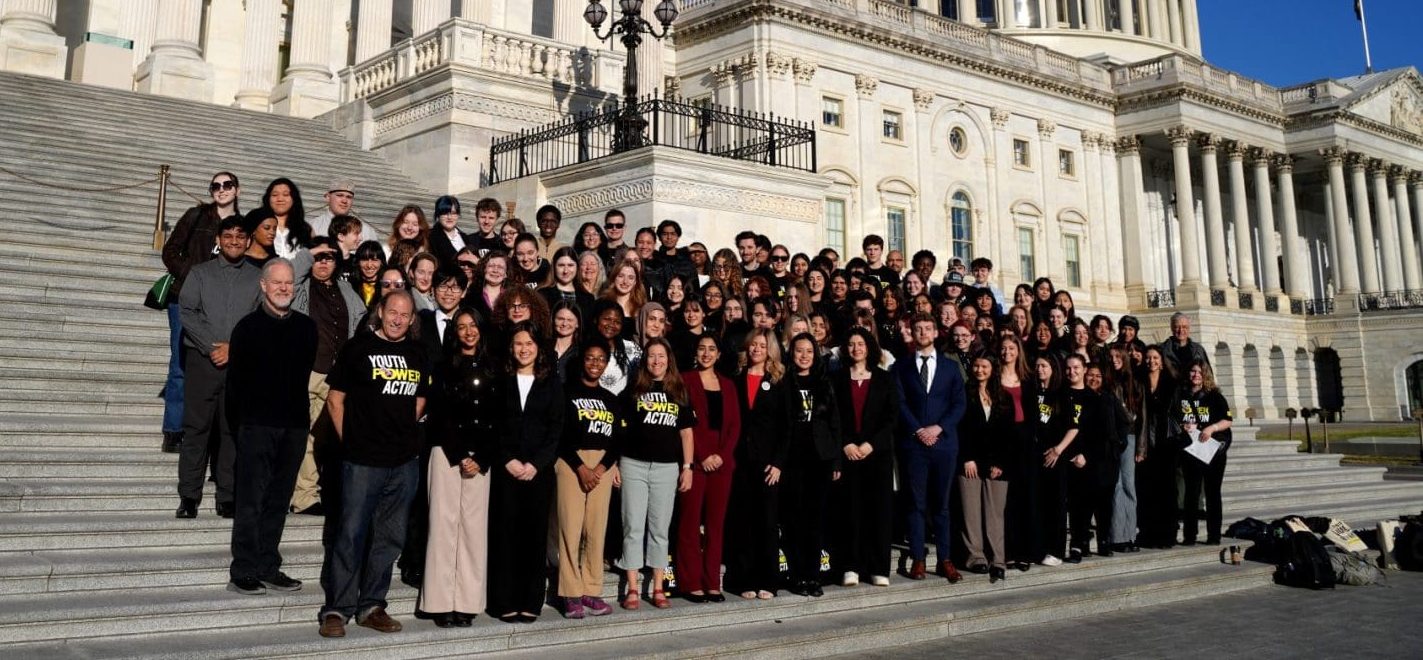
Youth Power Action: Highlights from Amnesty International USA’s Youth Lobby Day 2026
April 9, 2026

Report
Humanity Must Win: Defending Rights, Tackling Repression at the 2026 FIFA World Cup
March 29, 2026

Press Release
Eswatini: Arrival of Four More Men Under U.S. Unlawful Removal Deal
March 13, 2026
Press Release
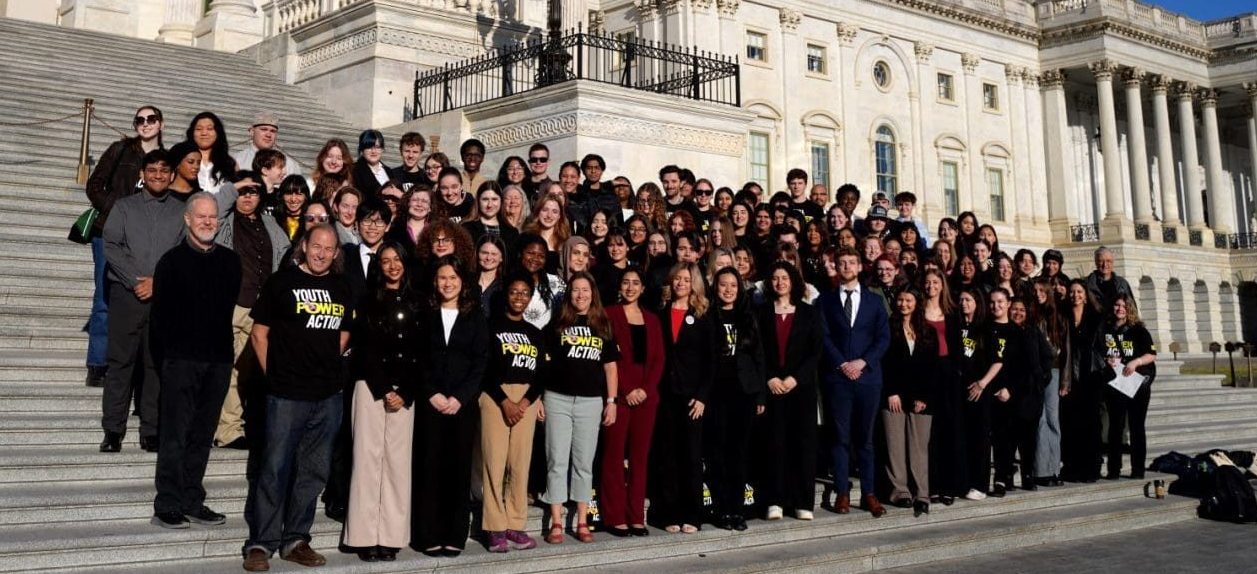
Over 100 Students from Across the United States Join Youth Lobby Day to Advocate for the Defense of Human Rights
March 9, 2026
Blog
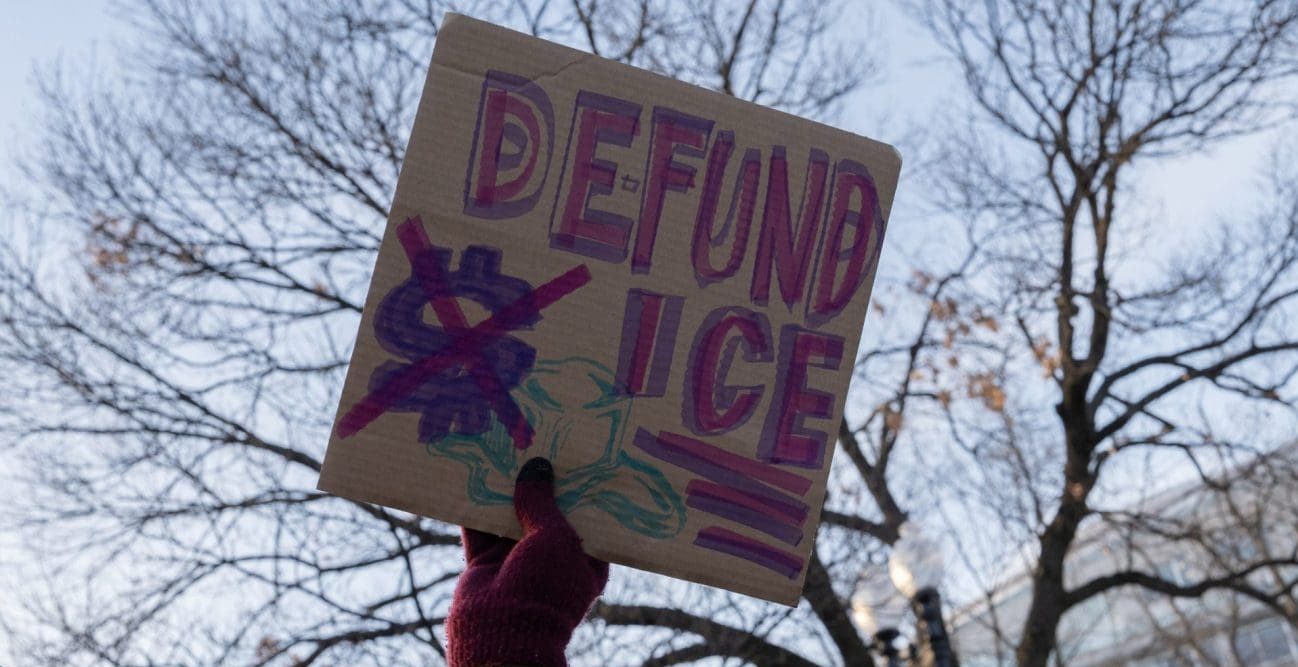
Call 347-514-6400 Now to Tell Congress: Not Another Dime for ICE or Border Patrol
February 6, 2026