
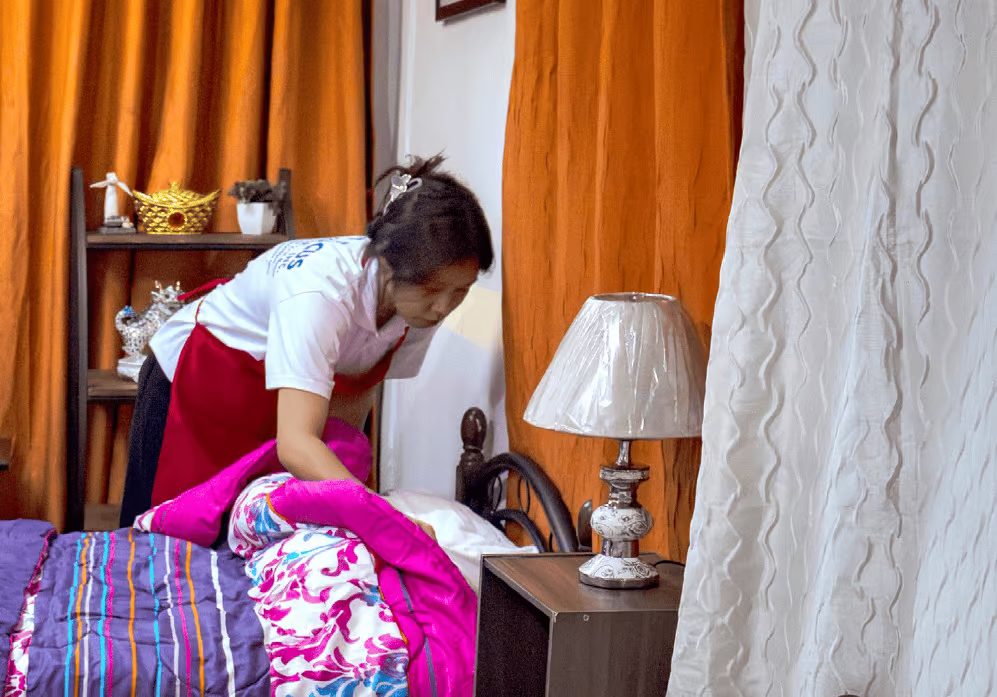
This briefing seeks to highlight the high-risk gamble that migration to Saudi Arabia entails by amplifying the voices of some of the women who traveled in search of greater economic security for their families but instead experienced daily and serious human rights abuses in private households, with little or no protection from the authorities.
It focuses on the Saudi Arabian government’s obligations and shortcomings. While it notes the Philippine government’s broad legal responsibilities, it does not assess its actions or protection gaps in detail, as doing so would have required research beyond the scope of this briefing.
Conducted by Amnesty International delegates in Manila through a mix of individual and group interviews, these testimonies—when considered alongside findings from other human rights organizations, journalists and trade unions—reinforce a consistent picture of exploitation, with excessive working hours, severe restrictions on movement and communication, sexual violence, and inhuman and degrading treatment by private employers remaining widespread and largely unaddressed.
Saudi Arabia must protect all domestic workers by bringing them fully under the scope of the labor law and ensuring equal protections in line with international law and standards; fully dismantling the kafala system by removing all employer-imposed restrictions on changing jobs or leaving the country, in both law and practice; implementing an effective, pro-active inspection regime; thoroughly investigating allegations of abuse; and adequately punishing abusive employers to ensure a real deterrent.
Read “Once We Step in Their Homes, We Are No Longer Human”: Testimonies of Filipino Women Domestic Workers in Saudi Arabia.