
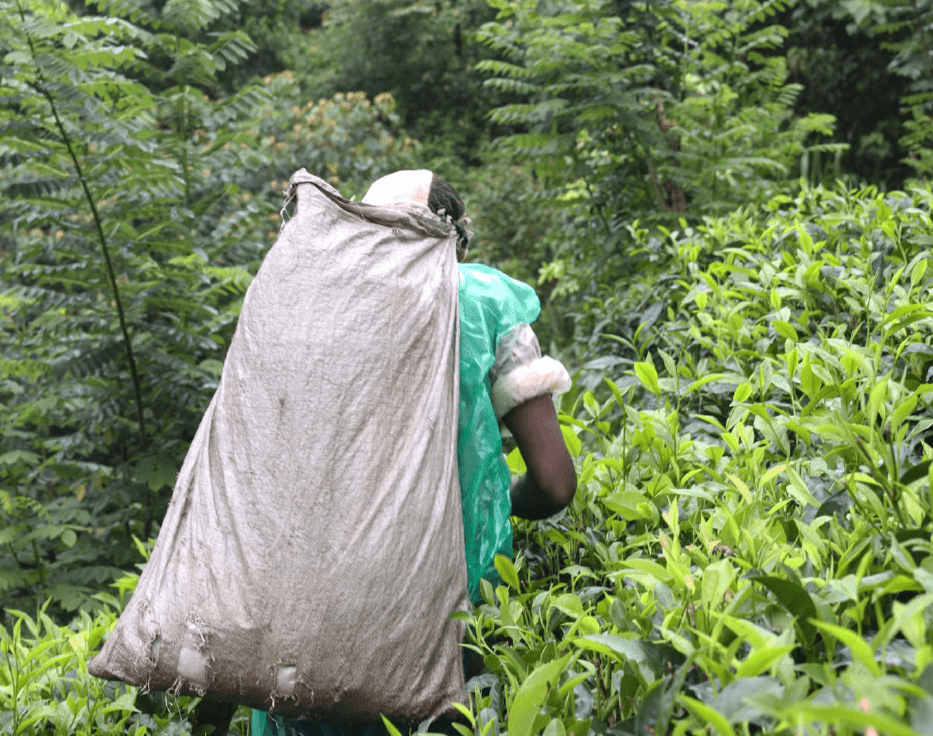
Amnesty International’s research into private tea estates and smallholdings in Sri Lanka’s Southern Province exposes a pattern of abuses that may amount to forced labor against Malaiyaha Tamil workers, a community already marginalized by generations of discrimination, landlessness and exclusion.
Based on multiple sources, including interviews with more than 150 workers across 45 estates, the findings reveal how employers exploit structural vulnerability to maintain control over workers’ lives and labor. The investigation documented abuses across multiple International Labour Organization indicators of forced labor: abuse of vulnerability, intimidation and threats, physical and sexual violence, debt bondage, restriction of movement, and abusive working and living conditions.
Workers described being trapped in cycles of debt through withheld wages and illegal deductions. Many depend on employers not only for work, but also for housing, healthcare and survival itself. Fear of eviction, violence or loss of income left workers unable to challenge exploitation.
The report also found severe restrictions on freedom of movement, unsafe working conditions, inadequate housing, and denial of social security protections through the deliberate misclassification of workers as “casual” laborers.
Despite Sri Lanka’s legal obligations under international law, labor inspections, accountability mechanisms and access to justice remain deeply inadequate, leaving many workers unfortunately without any meaningful protection or remedy.
The Government of Sri Lanka must protect Malaiyaha Tamil tea workers from forced labor and ensure access to justice and socio-economic rights now.
Read “Abandoned by the State, Trapped in Private Estates: Rights Abuses Against Sri Lanka’s Malaiyaha Tamil Tea Workers.”