
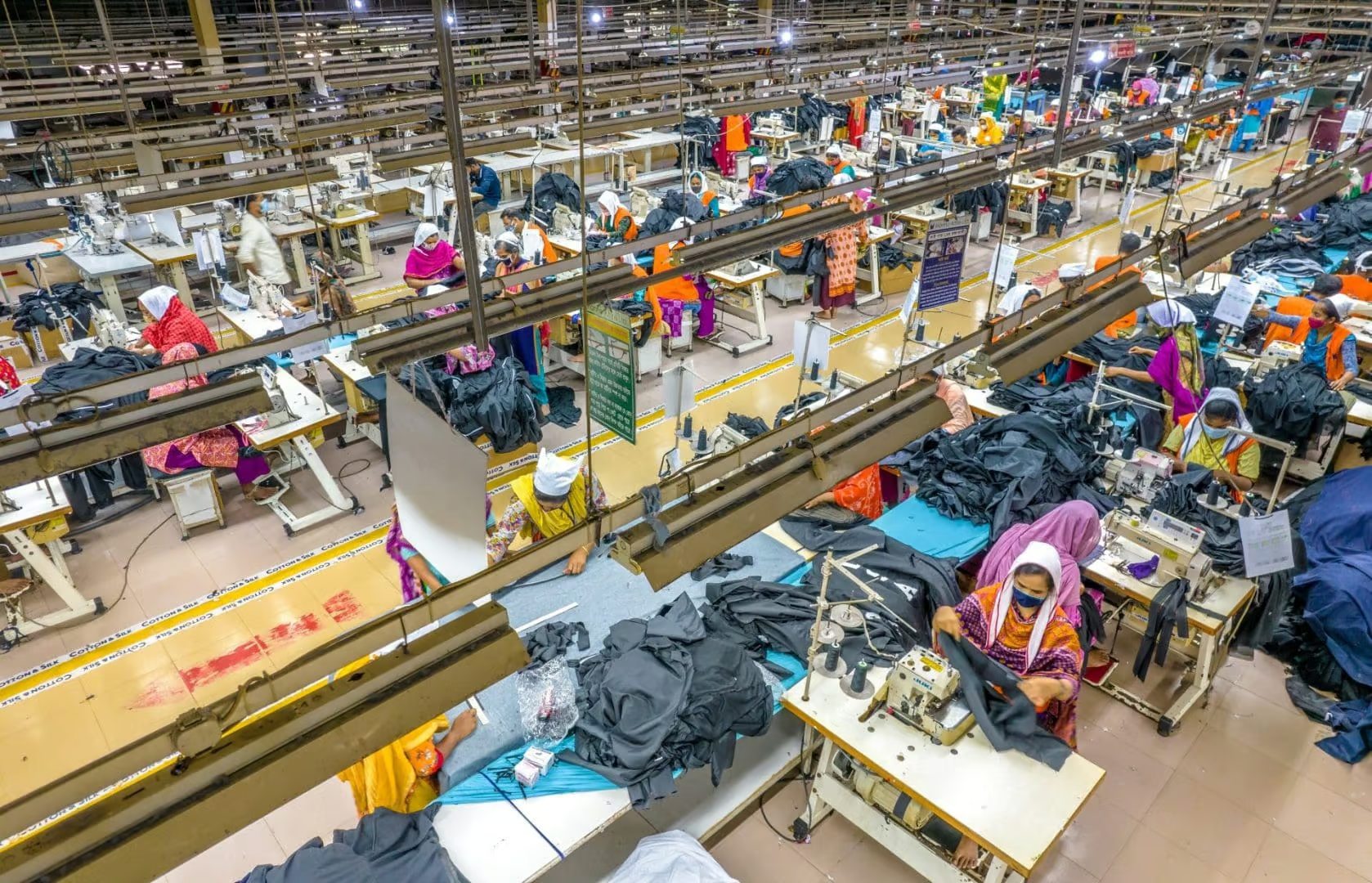
This briefing aims to provide an insight into the policies, commitments and active promotion of the right to freedom of association and collective bargaining in key fashion brands and retailers’ supply chains. It identifies the steps that brands can take in order to promote the right to freedom of association, and, at the same time, help mitigate the endemic human rights abuses found throughout the industry, such as low wages, overwork, harassment and systemic gender discrimination and sexual violence.
This briefing highlights the responsibilities of fashion companies in relation to the Guiding Principles on Business and Human Rights: Implementing the United Nations “Protect, Respect and Remedy” Framework (UN Guiding Principles), and assesses the key ways in which fashion companies compound the failure of states and factory employers to protect workers and respect freedom of association.
In this briefing, Amnesty International analyzes the areas where fashion companies can work harder to promote freedom of association and decent working conditions across their supply chain in Bangladesh, India, Pakistan and Sri Lanka.
We identify how the current model of complex supply chains and privatized auditing in the industry diffuses responsibility and places a low value on the labor of the predominantly female garment workers, solidifying an exploitative business model which fashion companies need to address at its core. We make recommendations for how these companies can play a much larger role in promoting freedom of association for workers in their supply chain.
This briefing is designed to be read alongside Amnesty International’s Stitched Up: Denial of Freedom of Association for Garment Workers in Bangladesh, India, Pakistan and Sri Lanka. That report looks in more detail at the human rights violations in Bangladesh, India, Pakistan and Sri Lanka, and the role of states and employers (supplier factories).
Download “Abandoned by Fashion: The Urgent Need for Fashion Brands to Champion Workers’ Rights; Brand Responses to Amnesty International Survey.”