
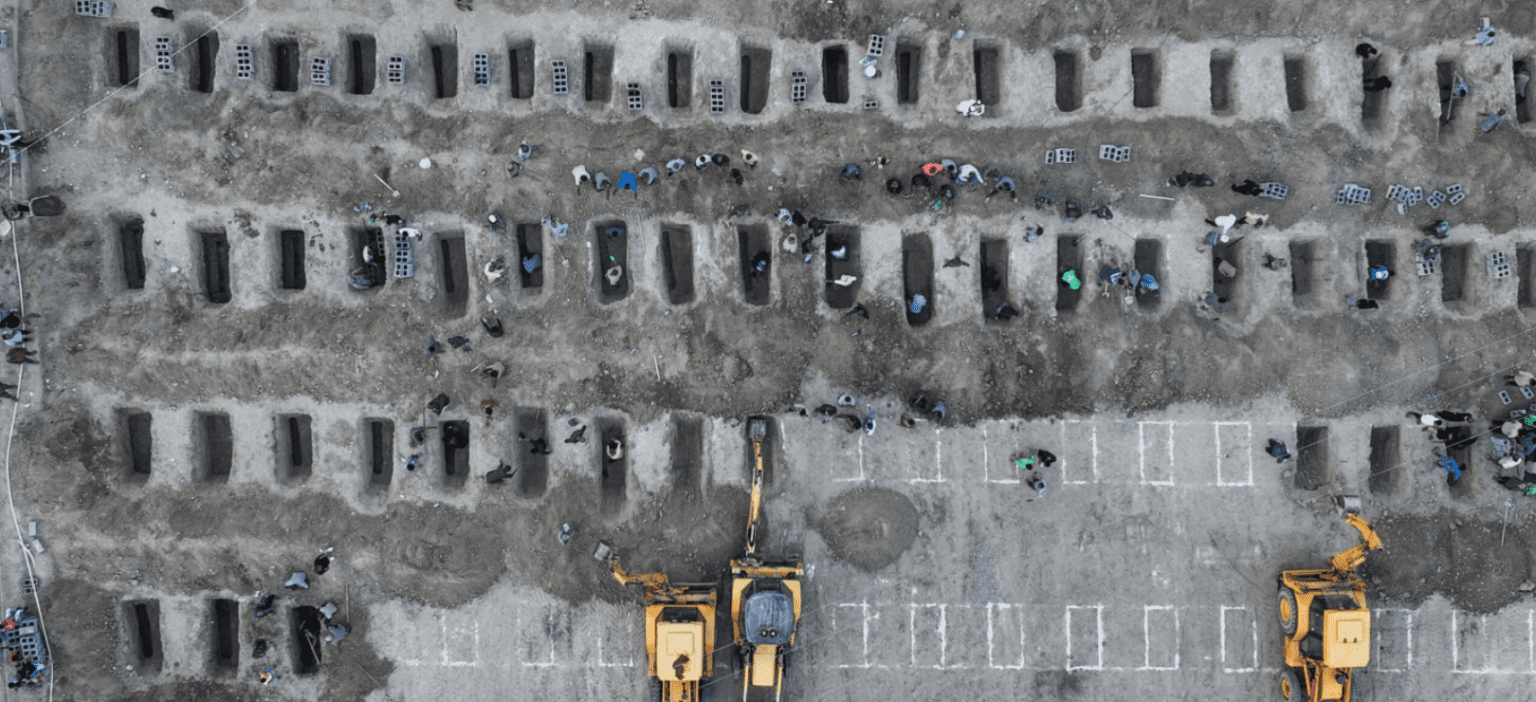
Nearly four months after the U.S. airstrike on the Shajareh Tayyebeh Elementary School in Minab, Iran, which killed more than 150 people, including 120 children, Amnesty International USA’s National Director for Government Relations & Advocacy, Amanda Klasing, said:
“It’s been four months since the deadliest U.S. airstrike against civilians in recent memory, yet we are no closer to getting answers from U.S. authorities about why this happened and who was responsible. What is taking so long? The public and the victims’ families must have transparency and accountability, and families must get truth, justice and reparations.
“President Trump has given contradictory statements, the Pentagon is stonewalling Congress, and lawmakers and the public are growing increasingly frustrated by the rote response of Secretary Hegseth and others that the incident is still under investigation.
“What we do know is this: the U.S. military was responsible for killing over 150 people in an attack with precision-guided Tomahawk missiles on a school packed with children. Whether the Pentagon used artificial intelligence or not when targeting the school, it clearly did not take all feasible precautions to avoid or minimize civilian harm in its attack.
“Indeed, there is no question that the U.S. should have known that the building was a school, not a military target. After the attack, Amnesty International, as well as media and other organizations, promptly verified that the building was a school and had been so for years. The Pentagon, with much more advanced intelligence-gathering capabilities and technologies, undoubtedly should have collected and verified this same information, which should have led to the decision not to attack the school.
“We are also left with no further information about the potential use of artificial intelligence in the targeting decision. The CEO of Anthropic admitted in an interview with Bloomberg that he does not know if or how their artificial intelligence software may have been used to select targets for U. S. attacks in Iran, but he was quick to shift blame to the military, in particular to an unnamed ‘human’ making final targeting decisions.
“Unfortunately, the horror in Minab is only the latest incident of the U.S. military killing civilians since President Donald Trump and Defense Secretary Pete Hegseth took office and slashed the Pentagon’s programs to mitigate civilian harm in military operations last year.
“We need answers now. The military has already had four months to explain what happened. The Pentagon must urgently finish its investigation and publicly release the findings. The investigation must consider the military’s intelligence gathering and assessments, as well as targeting decisions, precautions taken, and its use of artificial intelligence. Where sufficient evidence exists, competent authorities must prosecute any person suspected of criminal responsibility. The Pentagon must also reinstate civilian harm mitigation and response efforts and ensure compliance with international humanitarian law in military operations, including when using AI, to prevent future violations.
“Anything less would amount to a coverup of a serious breach of international humanitarian law and a betrayal of the victims and survivors of this horrific attack.”
Background
Civilians in Iran suffered grave harm amid relentless U.S. and Israeli air strikes between February 28 and April 7, 2026. The air strikes killed at least 2,362 civilians, including 383 children, and injured more than 32,314 civilians, according to official figures, and caused extensive destruction and damage to civilian infrastructure.
Since the day of the airstrike in Minab, Hormozgan province, on February 28, 2026, the public and U.S. lawmakers have demanded an investigation.
On March 10, a White House spokesperson confirmed investigations into the school attack were ongoing and that the Department of Defense would release a full report. Last week, Trump said the incident was still under investigation and that it was not done “on purpose,” and directed questions to Secretary Hegseth.
Amid the continued lack of responses from the Pentagon, the Senate Armed Services Committee passed its version of the National Defense Authorization Act out of committee limiting Secretary Hegseth’s travel funds until he releases the investigation into the Minab school strike, along with two investigations on separate civilian harm cases in Yemen, plus the full-unedited videos of the boat strikes in Caribbean and Eastern Pacific.
Meanwhile, the CEO of Anthropic Dario Amodei said that whether or not his company’s Claude AI software was used in the strike, it was not a violation of its use-case “redlines” because “a human made that final call, not Claude.”
Contact: [email protected]