Today marks Nakba Day, a day of dispossession, displacement, and injustice that has stretched across generations.
For millions of Palestinians, the Nakba (“catastrophe” in Arabic) didn’t end in 1948 when over 800,000 people were forcibly displaced from their homes.
It is still unfolding across the Occupied Palestinian Territory and beyond. It is visible in Israel’s ongoing genocide against Palestinians in Gaza. In the continued forced displacement of Palestinian families in Gaza and the West Bank. In the policies and systems that deny Palestinians their human rights and dignity every single day.
And as violence escalates across the region, the risk of even more catastrophic harm is growing.
That’s why we must continue to use our strength in numbers to pressure leaders into taking action. We cannot allow more weapons, more bombs, more devastation to fuel this crisis.
Urge U.S. leaders to stop the transfer of weapons to Israel that are being used to commit grave human rights violations.
Amnesty International’s research exposes the devastating toll this crisis is taking on Palestinian women and girls in Gaza—and the near total collapse of maternal and neonatal health care.
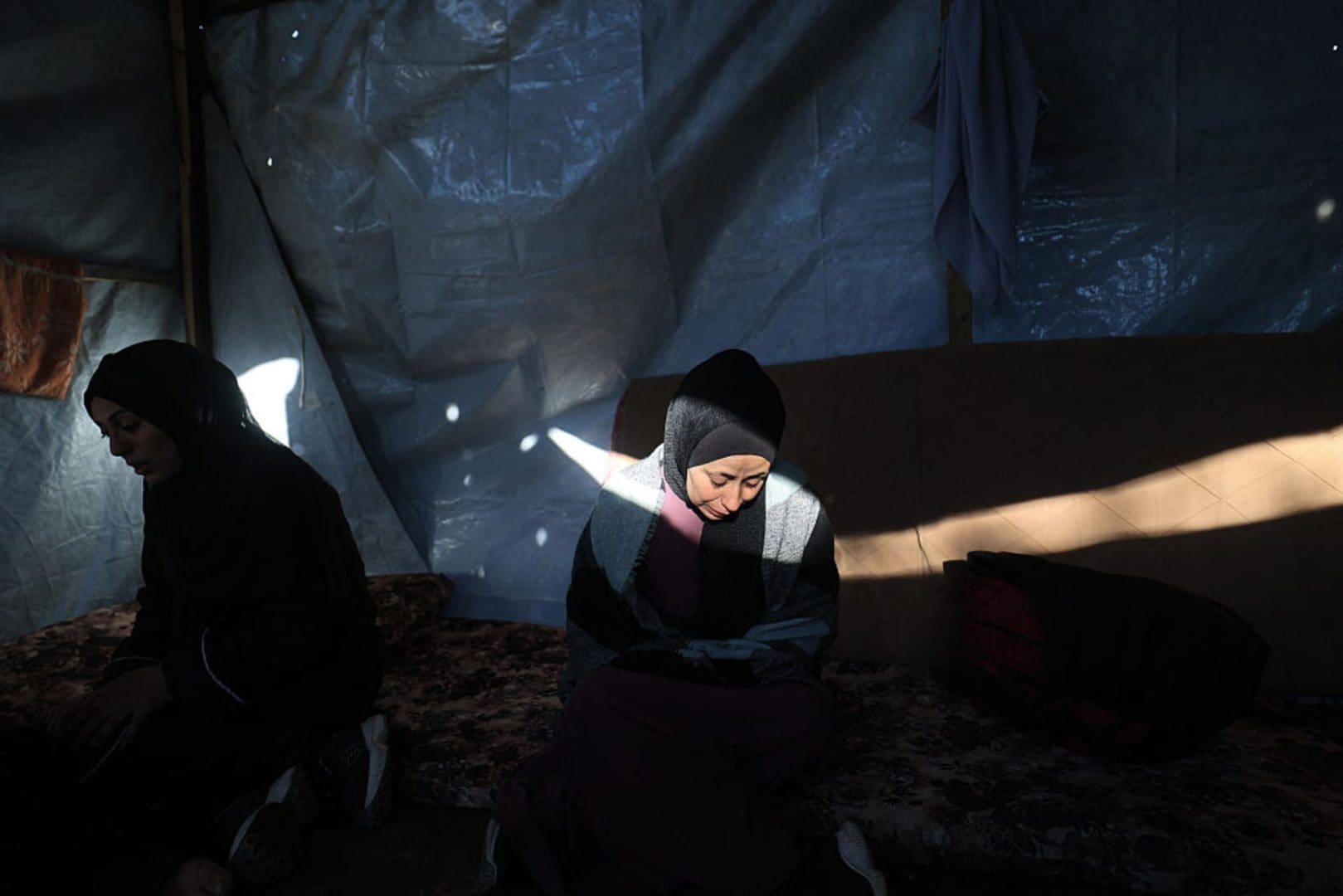
We spoke with pregnant and breastfeeding women displaced in Gaza City, Al-Mawasi, Deir al-Balah, and Nuseirat. They described surviving without clean water, without adequate food, without basic medical care.
A 22-year-old woman, displaced and living in a tent, gave birth to her son in January. She told us:
“I lost a lot of weight; I weighed only 97 pounds… and they told me that I am suffering from malnutrition. My baby was born with a lung infection in both lungs; he still cannot breathe properly on his own and is in an incubator. I am afraid he will get sicker because I live in a tent by the sea… and there is no way to keep warm.”
This is what genocide looks like.
And still, women in Gaza are holding families and communities together under conditions designed to break them: they are the teachers providing schooling to children in tents, the doctors and nurses working in field hospitals often without pay, and the caregivers fighting tirelessly to keep their families alive.
Nakba Day is not only about remembering the past. It is about taking action to bring an end to genocide, illegal occupation, and apartheid.
You have power in this moment. Use it.
Tell the U.S. government to BLOCK THE BOMBS and help stop the flow of weapons fueling this devastation.