
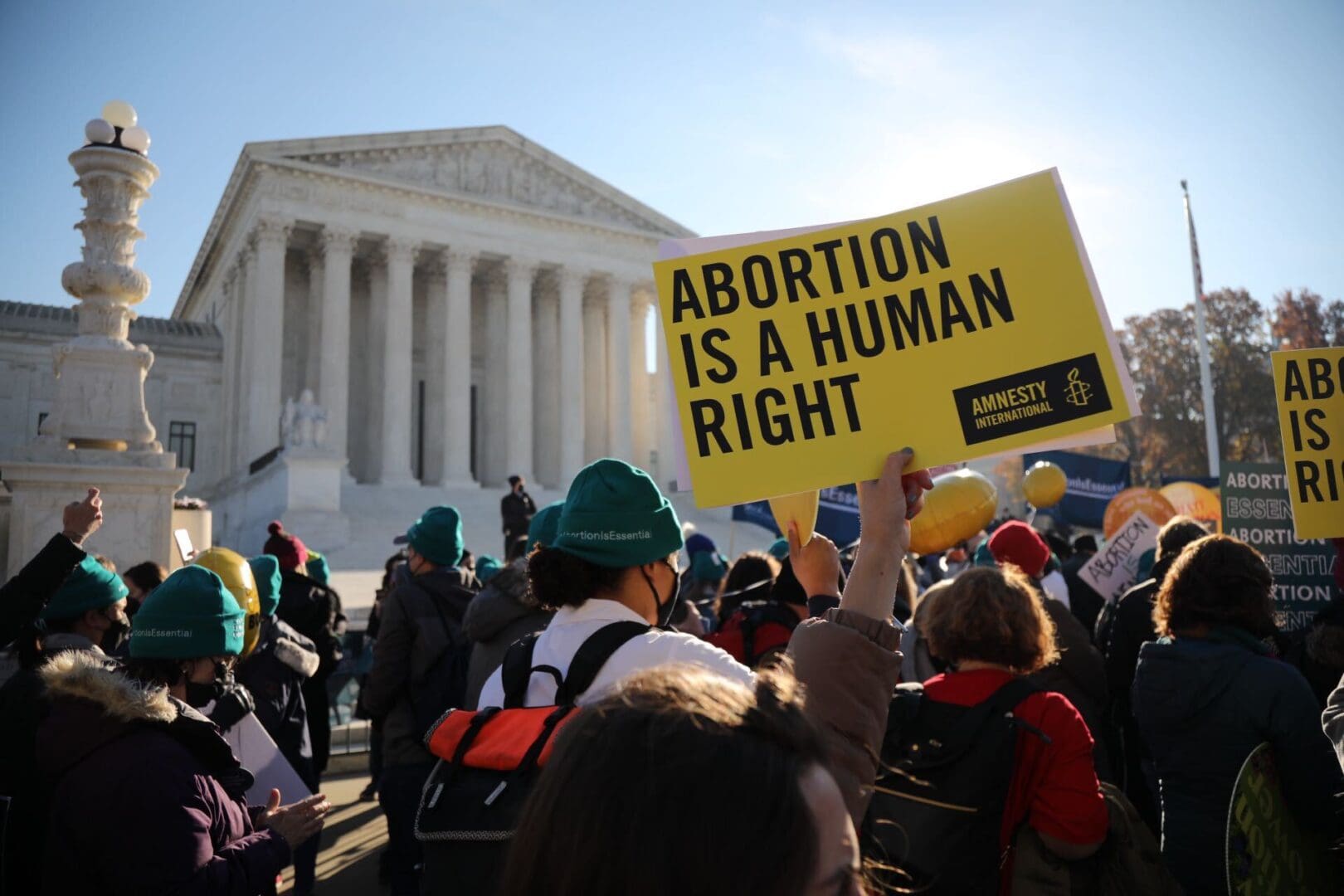
“Everyone has the right to freedom of peaceful assembly and association.”
—Article 20, Universal Declaration of Human Rights
Throughout history, protests have been the driving force behind some of the most powerful social movements, exposing injustice and abuse, demanding accountability and inspiring people to work toward a better future. Protests can pave the way for progress in areas that impact all of us, including better governance, safer working conditions, and combating problems like racism, discrimination and environmental destruction.
Peaceful protest is a vehicle for exercising and advancing human rights.
Peaceful protest is a right, not a privilege. It is protected by international human rights law, irrespective of the issue people are protesting about. It is an important way for people to come together and create a forum for public debate and political engagement.
Mass demonstrations of various kinds are some of the most accessible means for people to assert their views and are particularly effective for those whose human rights have been violated or who lack the platforms to make their voices heard. Through protest, those who have been silenced and disenfranchised can claim their voice and their political power, and gain strength from being part of a bigger group or movement. Protests also create opportunities to advance and defend the rights of others and to foster rights-respecting societies.
Government obligations
Like all human rights, governments are obligated to respect, protect, and fulfill the right to protest.
The only time law enforcement can stop or limit a protest is when there is a legitimate threat to the safety or the rights of others. And law enforcement response must be proportionate. Yet in the U.S. and around the world, we often see the opposite—unnecessary and excessive force.
Despite being a universal right, the right to protest is under attack, whether through discrimination, intimidation, surveillance, or militarized responses.
Discrimination is real
The ability to protest safely intersects with the right to be free from discrimination. We all have equal rights—on paper—to protest, but in practice, many people experience inequality and discrimination based on their age, race, gender identity and other factors, and face even more threats to their right to protest. For example:
- Pride marches around the world are regularly banned. Earlier this year, Hungary’s government attempted to ban Budapest Pride and other protests in support of the human rights of LGBTQ+ people. But, as Amnesty International Secretary General Agnes Callamard said: “We will not be intimidated by bans, threats and strong-arm tactics. Instead, those of us marching, and those cheering us on from afar, will draw strength from one another and from our shared certainty that, ultimately, humanity will win.” Sure enough, the pride march went on!
- In the U.S., we documented police violence against people protesting in Black Lives Matter protests around the country.
- More recently, immigrant students protesting in the U.S. for Palestinian rights have been targeted and threatened with detention or deportation.
- New research from Amnesty reveals surveillance abuses against protesters by the New York City Police Department, especially Black and brown protestors, including the frequent use of rights-violating facial recognition technology.
We all have the right to protest, no matter who we are, where we live, or what we are protesting for or against. The government MUST ensure that everyone can protest safely and without discrimination.
The right to protest in the United States
The U.S. Government’s response to protesters has become increasingly militarized since the early 2000s, and militarized responses often go hand-in-hand with discrimination.
Protestors for racial justice after the murder of George Floyd were met with heavy-handed, militarized response from law enforcement, and so were people protesting against the Trump Administration’s ICE raids.
The Trump administration is determined to silence dissent—targeting those who dare to speak out against its policies and injustice. People, especially foreign students legally in the U.S., have been unlawfully arrested, detained, and threatened with deportation for protesting. The administration is revoking their immigration status simply for advocating positions that Trump opposes, such as protesting the genocide in Gaza and advocating for Palestinians’ human rights.
The targeting of students, like Mahmoud Khalil, creates a chilling effect for everyone in the U.S., especially immigrants, warning them that if they exercise their human rights of freedom of expression and peaceful assembly, they could be subject to repression, detention, and possibly deportation.
Without sufficient pushback on these policies and practices, anything people say or do could be used to punish them. It is absolutely critical to defend the rights to freedom of expression and freedom of assembly so that people can speak out, dissent, and protect human rights without fear of persecution.
Act now—protect the right to protest!
Your voice matters. You have the right to say what you think and to demand a better world.
A new bill called Protecting Our Protesters Act of 2025 (H.R. 3651) makes using excessive force against protesters a federal crime. It protects everyone—students, immigrants, workers, and families—who boldly rise up and speak out.
Ask your Representative to support H.R. 3651 and defend the right to protest free from fear and retaliation.