
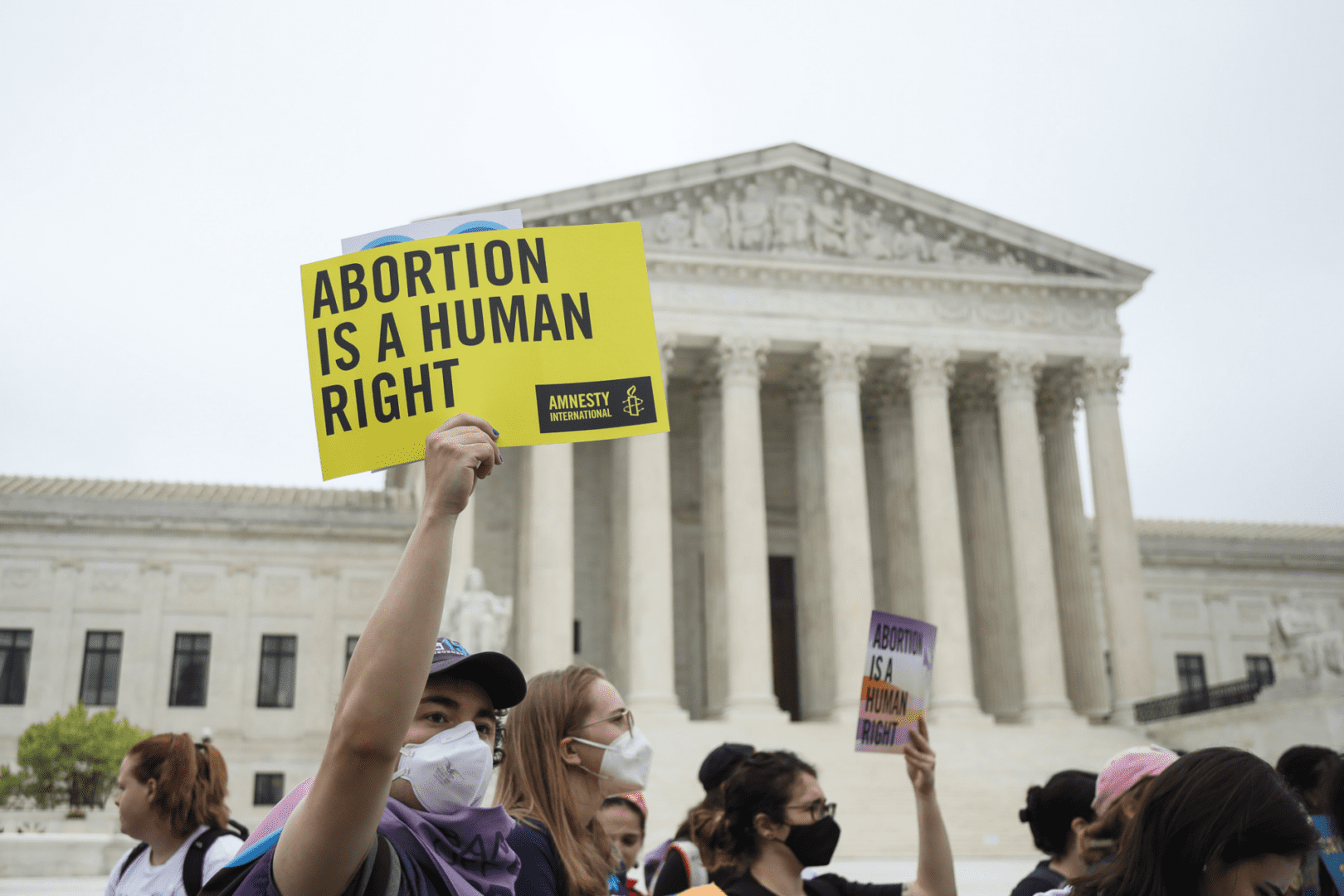
What’s the Problem?
All people should be able to enjoy the full range of human rights, without exception.
However, every day, across the globe, people face discrimination and violence because of their sex, gender, or sexuality, or their perceived sex, gender, or sexuality.
We all have the right to make decisions about our own health, body, sexuality, and reproductive life, without fear, coercion, violence, or discrimination. But, people’s freedom to make these decisions and their ability to access their rights are often controlled by the state, medical professionals, or even their own families.
Women and girls around the world routinely face unequal treatment and violence. Lesbian, gay, bisexual, transgender, queer, intersex, and other gender-non-conforming people face stigma and criminalization.
We all have the right to make decisions about who we are and what we want to do with our lives. Yet all over the world, many are persecuted for making their own choices and many more are prevented from making any choices at all.
Discrimination against women and LGBTQI+ people and the denial of sexual and reproductive rights are rooted in unequal power relationships and the attempt to control people’s bodies and choices.
Why Is It An Issue?
Governments have a legal obligation to protect people from discrimination and violence.
When governments fail to protect people, Amnesty International is there helping to ensure that all people can live in dignity, safety, and freedom.
People have very different experiences based on their sex, gender, or sexual orientation– and the fact is that women, girls, and LGBTQ+ people often face discrimination that means they do not have equal access to their rights. Our work encompasses a range of human rights as they relate to the rights of women and girls, LGBTQ+ people, and sexual and reproductive rights for all.
What is the solution?
In order for all of us to participate in our communities and enjoy human rights, we need the ability to live free from discrimination and with full access to our sexual and reproductive rights– and to make decisions about our lives, bodies, and identities without fear.
More About Our Work
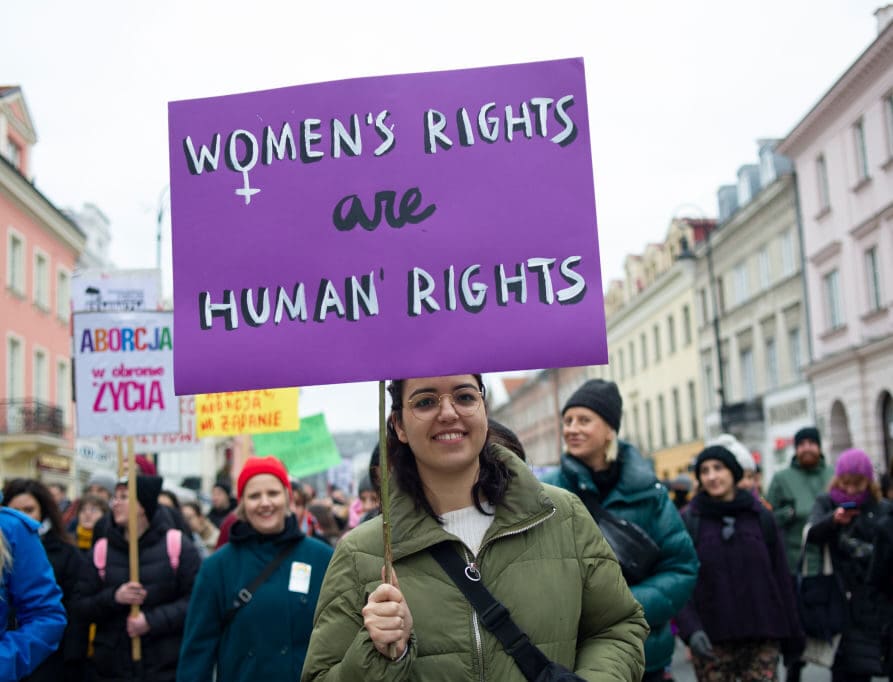
Women’s rights
We are committed to a world where everyone can enjoy the full range of their human rights. We can help make that a reality for women and girls all over the world.
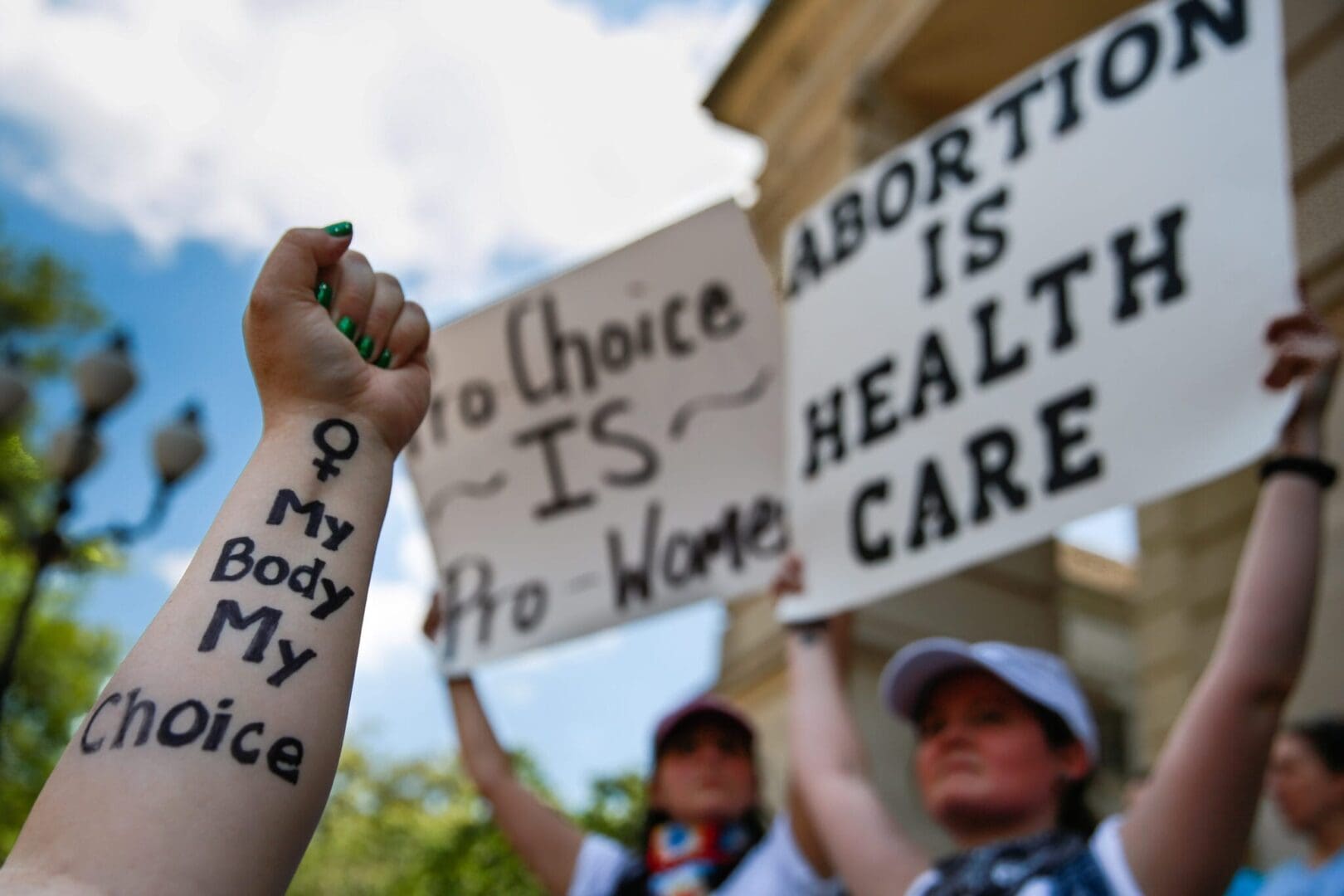
Sexual & Reproductive Rights
Whoever you are, wherever you live, you have the right to make choices about your body, health, and sexual life without fear, violence, or discrimination.
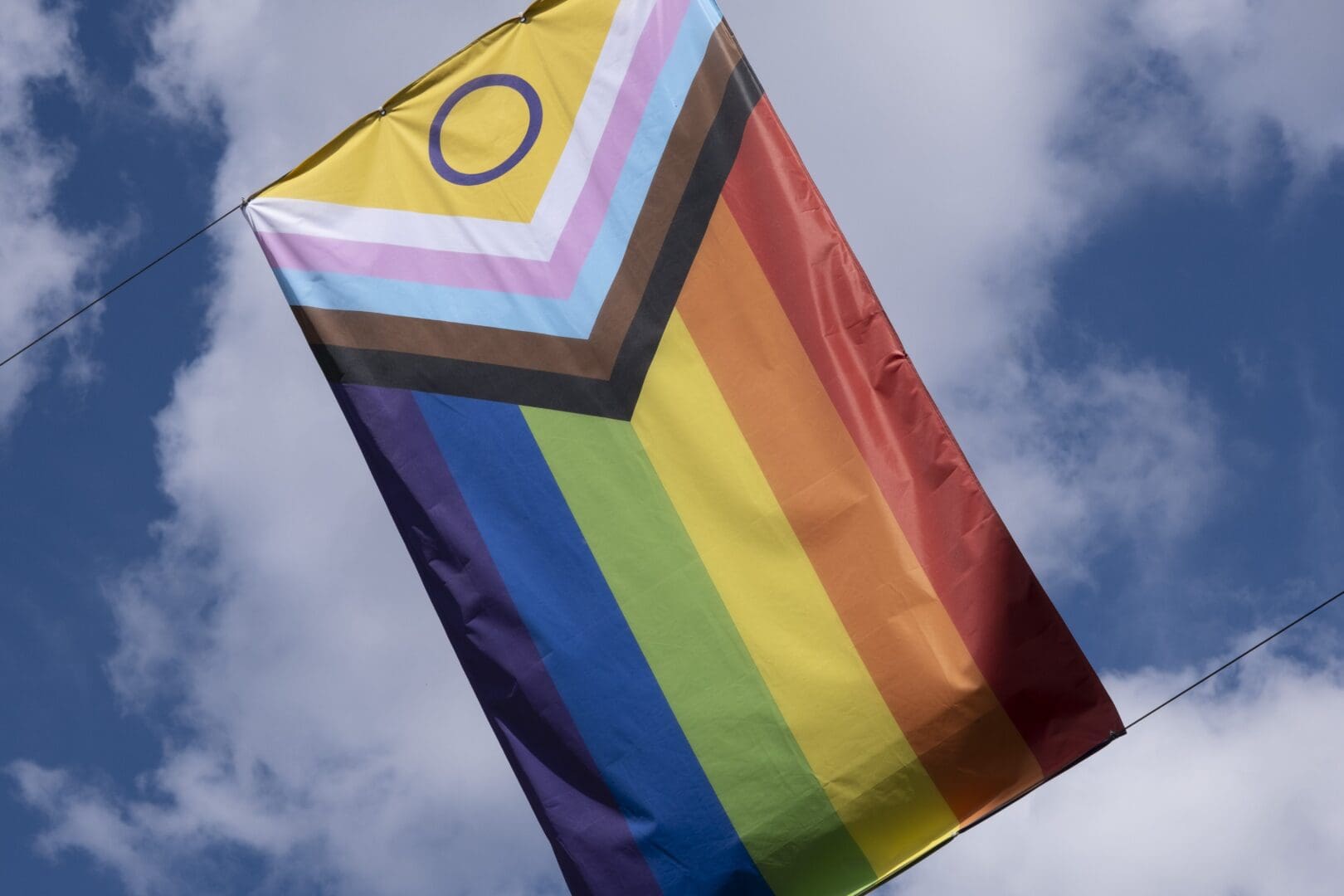
LGBTQI+ Rights
People who are lesbian, gay, bisexual, transgender, queer, or intersex (LGBTQI*) face threats to their lives in many countries across the globe.
The Latest
Press Release
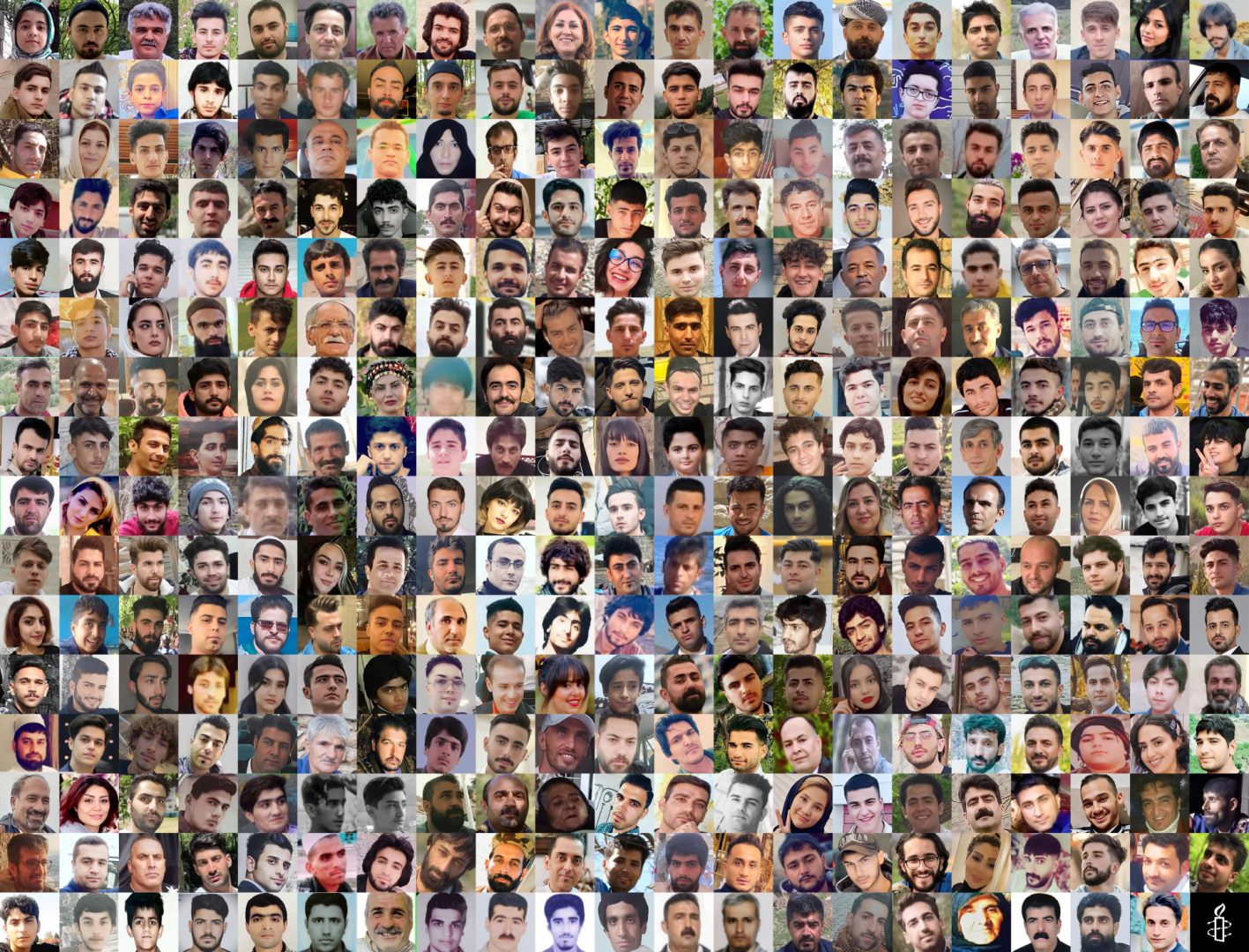
Iran: Architects of Crimes Against Humanity to Suppress Protests Must Face International Justice to Deter Further Massacres
September 16, 2026

Press Release
Türkiye: Authorities Must End Escalating Crackdown on LGBTI Rights Groups and Immediately Release Detained Activists
September 15, 2026
Press Release
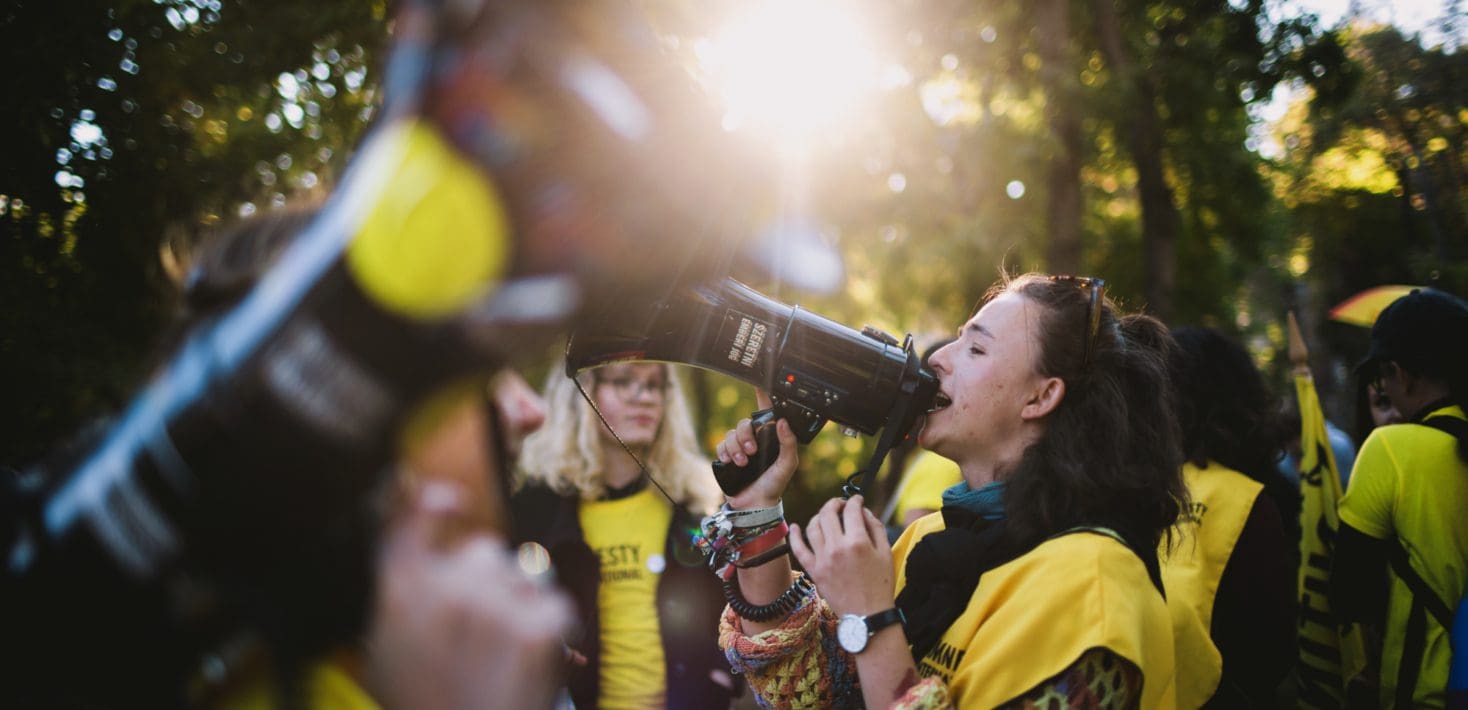
Hungary: Meta Failed to Stop Anti-LGBTI Content on Facebook
September 8, 2026
Report
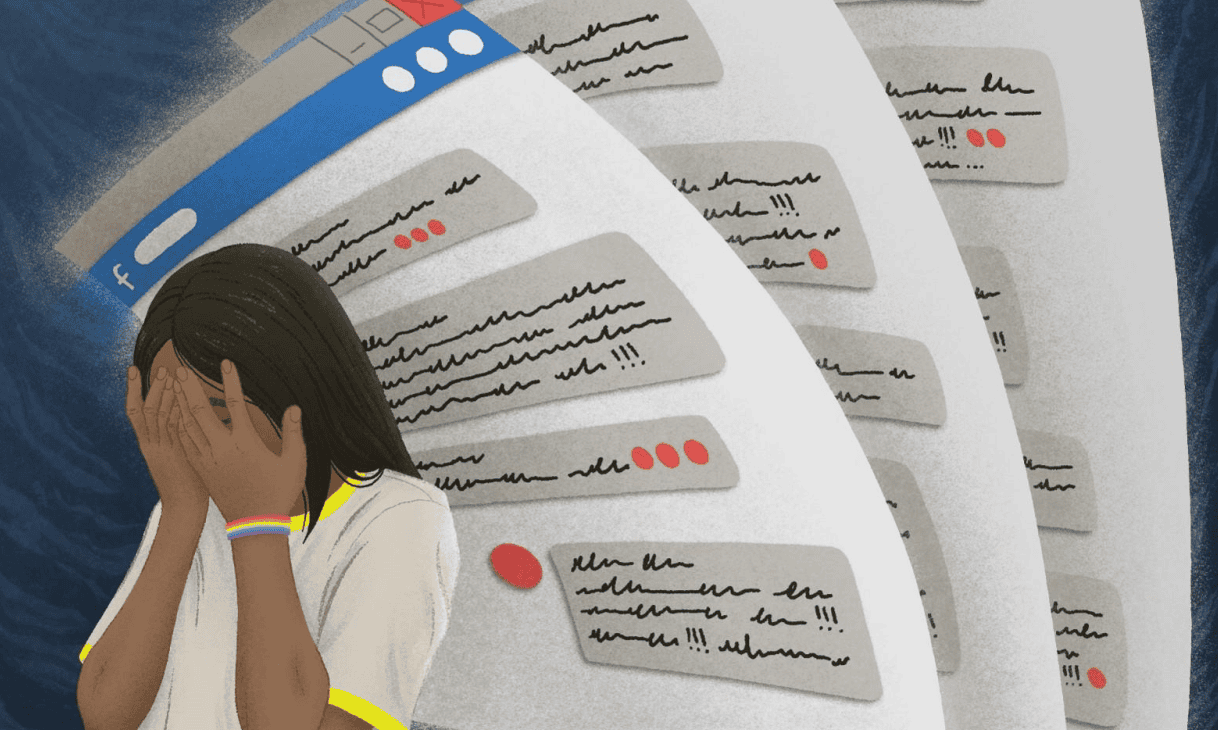
It Erodes My Soul: Meta’s Contribution to Anti-LGBTI Discourse in Hungary
September 7, 2026
Press Release
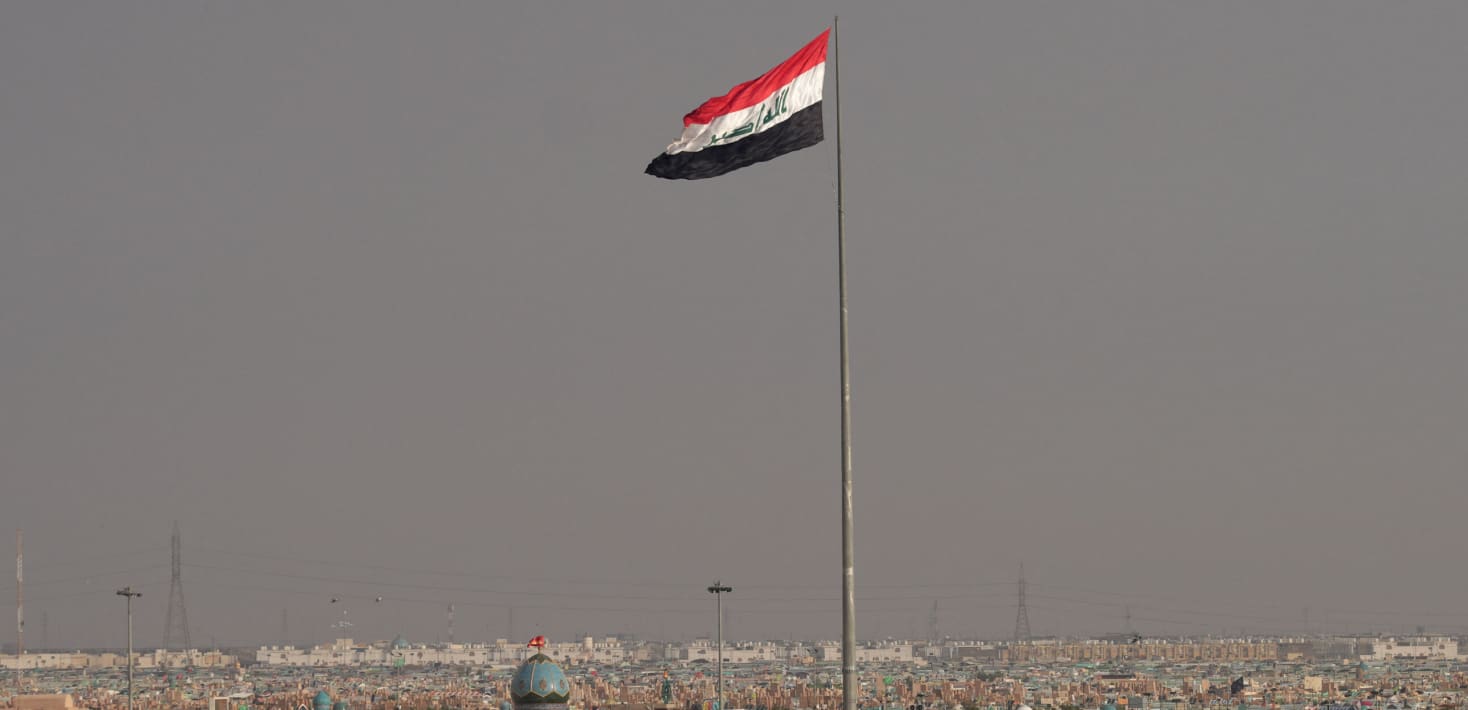
Iraq: Government Must Chart a New Course by Ending Impunity and Upholding Human Rights
August 17, 2026
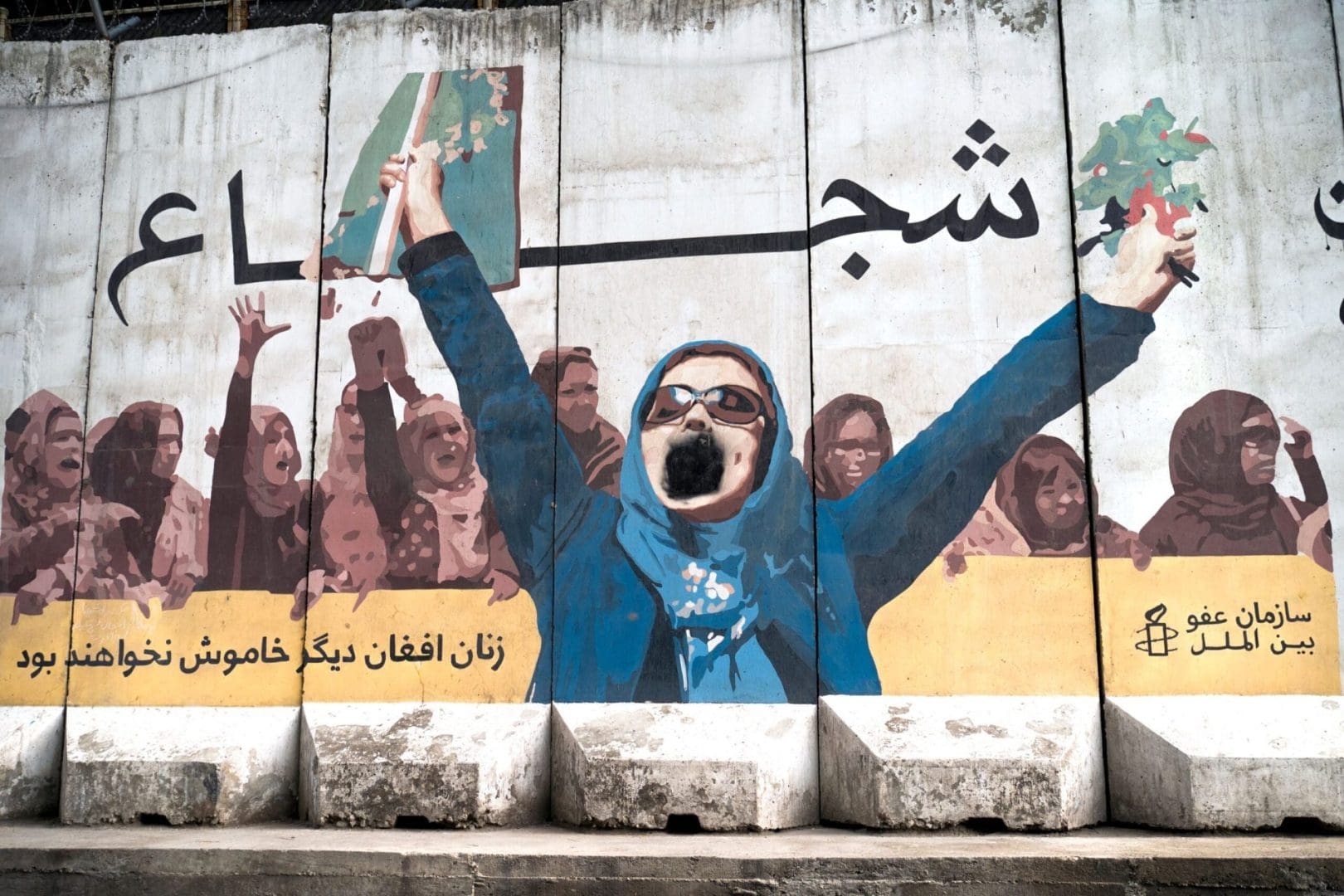
Blog
Five Years On, the U.S. Government is Failing its Obligation to Afghanistan’s Women and Girls
August 15, 2026
Press Release
South Korea: Appeal Decision for Abortion Case Exposes Legal Vacuum
July 23, 2026
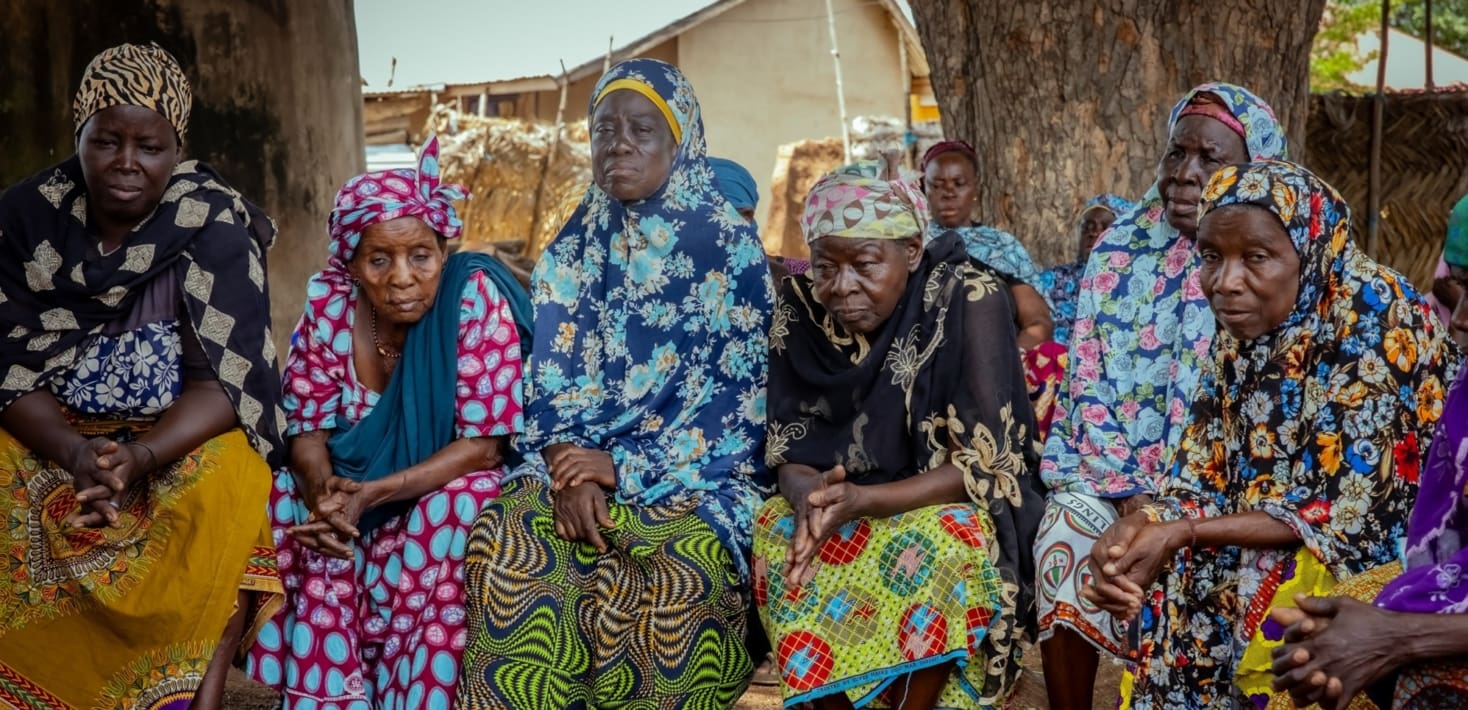
Press Release
Ghana: Still No Law Criminalizing Witchcraft Accusations Six Years After Akua Denteh’s Fatal Lynching
July 23, 2026
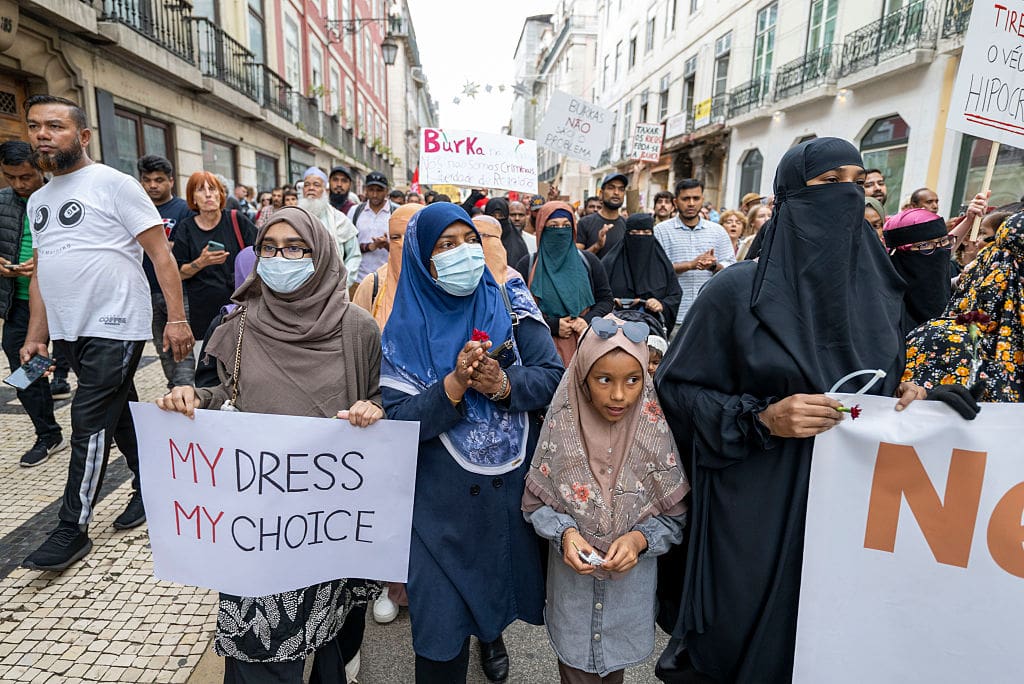
Press Release
Portugal: Blanket Ban on Face Coverings Threatens Several Human Rights
July 17, 2026
Report
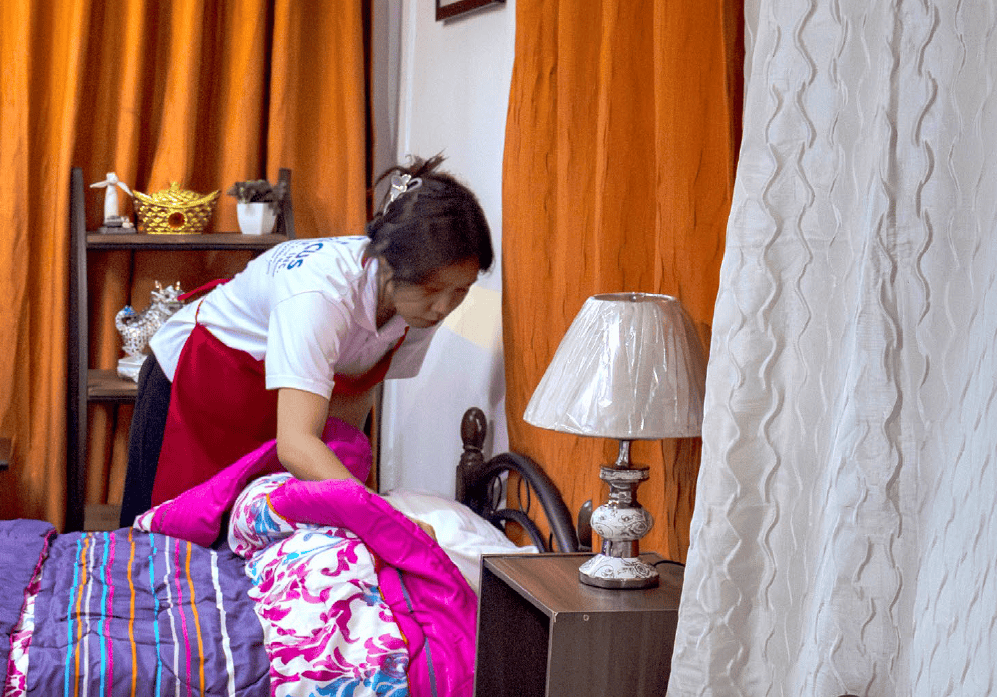
Once We Step in Their Homes, We Are No Longer Human: Testimonies of Filipino Women Domestic Workers in Saudi Arabia
July 8, 2026
Press Release
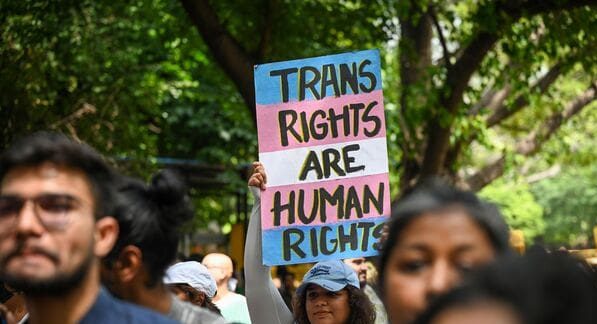
West Virginia v. BPJ Ruling Will Harm Young Transgender Athletes in Devastating Setback for LGBTQ+ Rights
June 30, 2026
Blog
What Can Be Done to Stop Conflict-Related Sexual Violence?
June 29, 2026