

What is the problem?
Around the world, there are people being tortured, attacked, or imprisoned solely because of who they are or what they believe.
Our work on these issues is core to our mission and dates back to our founding in 1961. Amnesty International was founded on the idea that ordinary people around the world could end these human rights abuses by taking action on behalf of other people. Through our Individuals at Risk work, millions of messages have been sent to governments around the world – giving hope to people in dire circumstances, and ultimately helping to stop torture, find people who were forcibly disappeared, protect human rights defenders, and to free thousands of prisoners of conscience who were unjustly imprisoned.
Why is it an issue?
Every day, human rights are violated. People are convicted in unfair trials, prisoners are tortured, and people are put in prison solely because of their identity or their beliefs.
Freedom of expression, association, and assembly are increasingly under attack all around the world. The need to fight for the immediate and unconditional release of all prisoners of conscience is more important than ever.
Amnesty International defines a prisoner of conscience as someone who is imprisoned or otherwise physically restricted (like house arrest) solely because of their political, religious or other conscientiously held beliefs, ethnic origin, sex, color, language, national or social origin, economic status, birth, sexual orientation or other status –who has not used violence or advocated violence or hatred in the circumstances leading to their imprisonment, Amnesty calls for the immediate and unconditional release of all prisoners of conscience.
Human rights defenders (HRD) are routinely the target of judicial harassment, smear campaigns, intimidation, death threats, unlawful surveillance, arbitrary detention, sexual violence, assault, torture, enforced disappearances, and even assassination. Since the adoption of the UN Declaration on HRDs in 1998 until 2021, an estimated 4,814 HRDs have been killed worldwide. In 2022 alone, over 401 HRDs were killed globally, according to Front Line Defenders. Amnesty documented in its 2022/23 Annual Report that 49% of countries around the world arbitrarily detain human rights defenders.
Amnesty International considers a human rights defender to be a person who, individually or in association with others, acts to defend and/or promote human rights at the local, national, regional or international levels. Amnesty International does not consider a person to be an HRD if they resort to or advocate hatred, discrimination or violence, or if they deny the universality of human rights or take action that seeks to undermine the human rights of others.
HRDs come from every walk of life. They can be journalists, lawyers, trade unionists, whistle-blowers, victims or relatives of victims of human rights violations and abuses, members of human rights organizations, women’s rights leaders, environmental activists, teachers, etc.
What is the solution?
Amnesty International investigates hundreds of cases a year all around the world. We work with the individuals and their families to develop campaigns – and then we do everything possible to bring about change in the individual cases and the systems responsible for them.
At any given time, we are campaigning on dozens of cases of people targeted simply for their peaceful activism, views, and personal characteristics. In many cases, we work for years to win someone’s freedom, or to obtain justice in a case, and in some cases we’re the only organization fighting for them.
Our campaigns support people targeted for their peaceful activism, views or personal characteristics to protect their right to protest and express themselves freely. This includes women human rights defenders, trans rights activists, artists and peaceful protesters. These individuals have variously been beaten, jailed, shot at, harassed and intimidated.
- We launch ongoing campaigns to free prisoners of conscience, support human rights defenders, and help individuals and communities at risk of human rights violations. Take action in Individual at Risk cases today.
- We mobilize rapid response in emergency cases, where people’s freedom and lives are under immediate threat. Join the Urgent Action Network to get regular alerts.
- We mobilize thousands of people to take action on individual cases every December through our annual Write for Rights campaign.
- We train local and student groups on how to campaign for individual cases. Find a local group near you or contact our staff team.
Throughout our history, we have helped secure freedom for thousands of people who were imprisoned simply for exercising their human rights. When just a handful of people unite behind someone, the results can be amazing.
More About Our Work
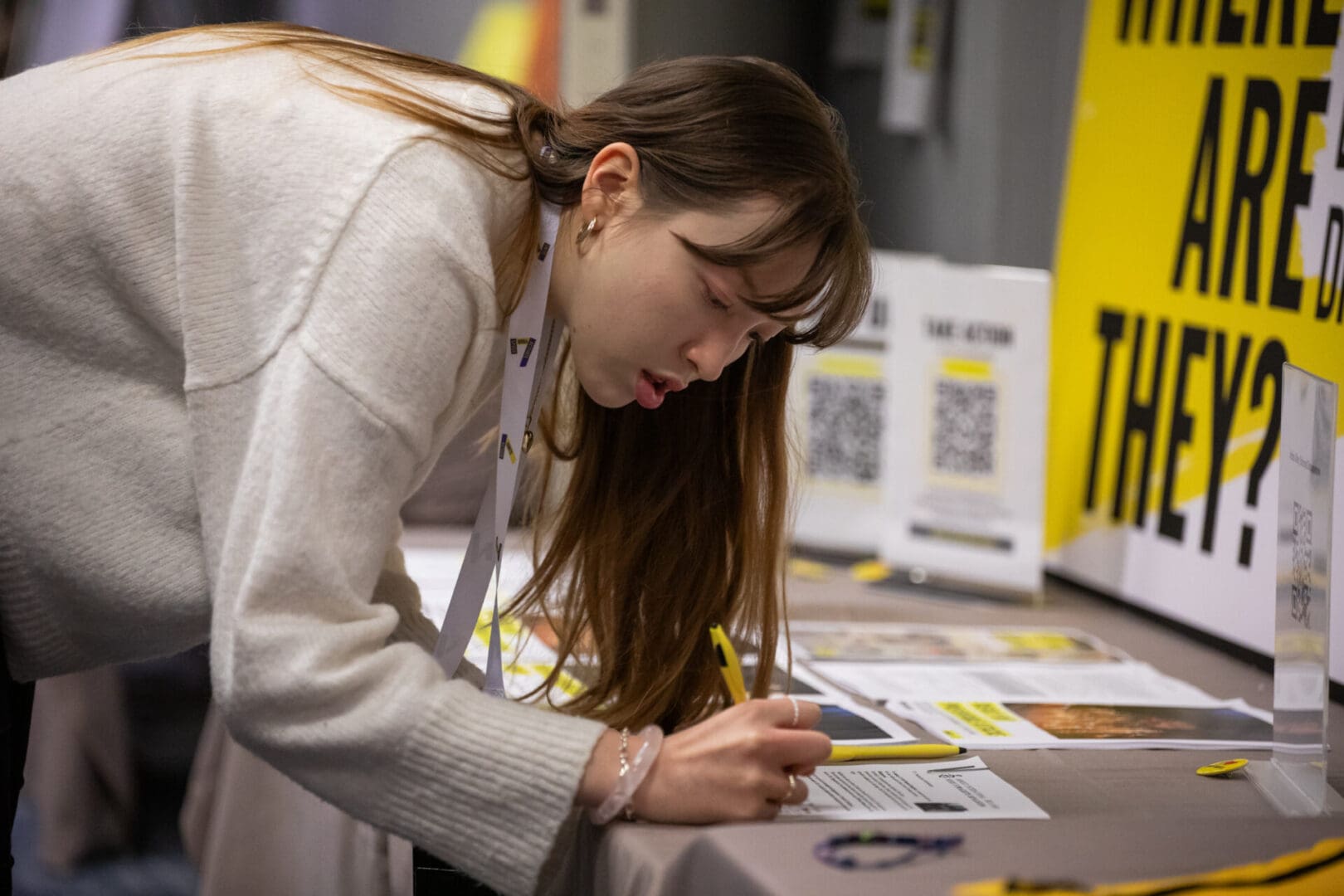
Urgent Action Network
When a person’s human rights are under attack, our global movement responds. We write letters, make calls, and organize in our communities to press for urgent action.
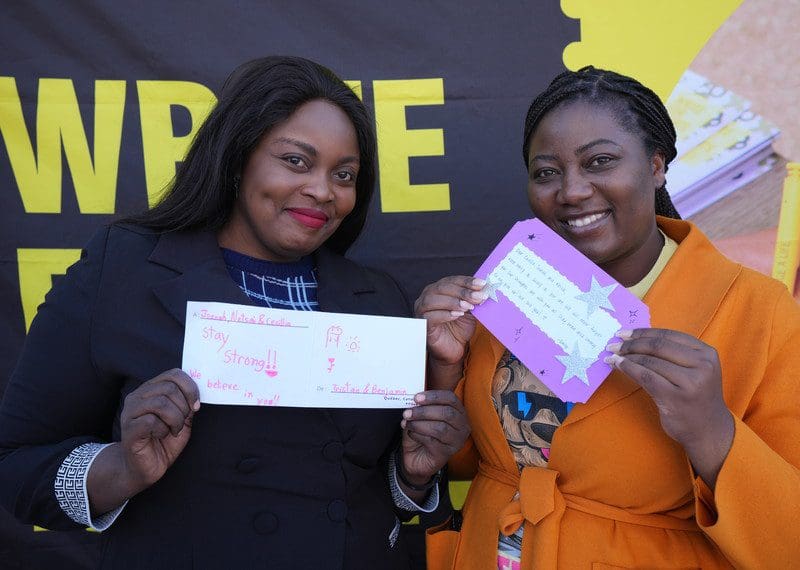
Write for Rights
Every year, Amnesty International’s Write for Rights campaign brings together people from around the world to fight injustice and support people whose human rights are under threat, and this year marks our 25th year of writing for human rights.
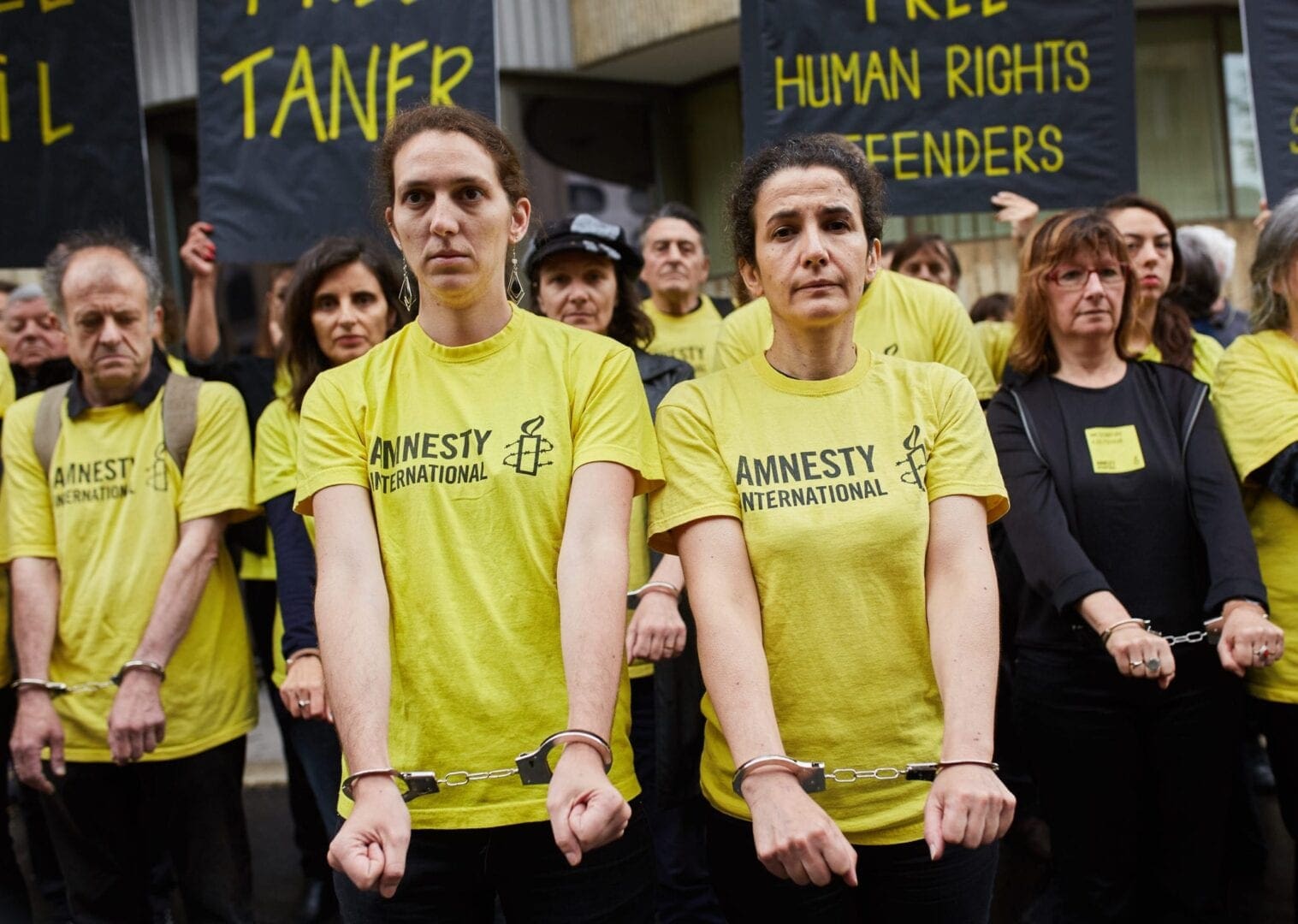
Human Rights Defenders
Amnesty International considers a human rights defender (HRD) to be a person who, individually or in association with others, acts to defend and/or promote human rights at the local, national, regional or international levels.
The Latest

Press Release
Azerbaijan: Authorities Must Immediately Release Activist Bahruz Samadov Who Cut Himself During Latest Court Appearance
September 25, 2026
Press Release
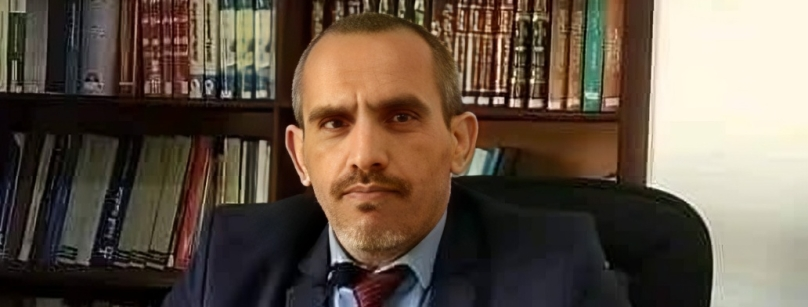
Yemen: One Year On, Huthis Must Release Arbitrarily Detained Lawyer Abdul Majid Sabra
September 24, 2026
Press Release
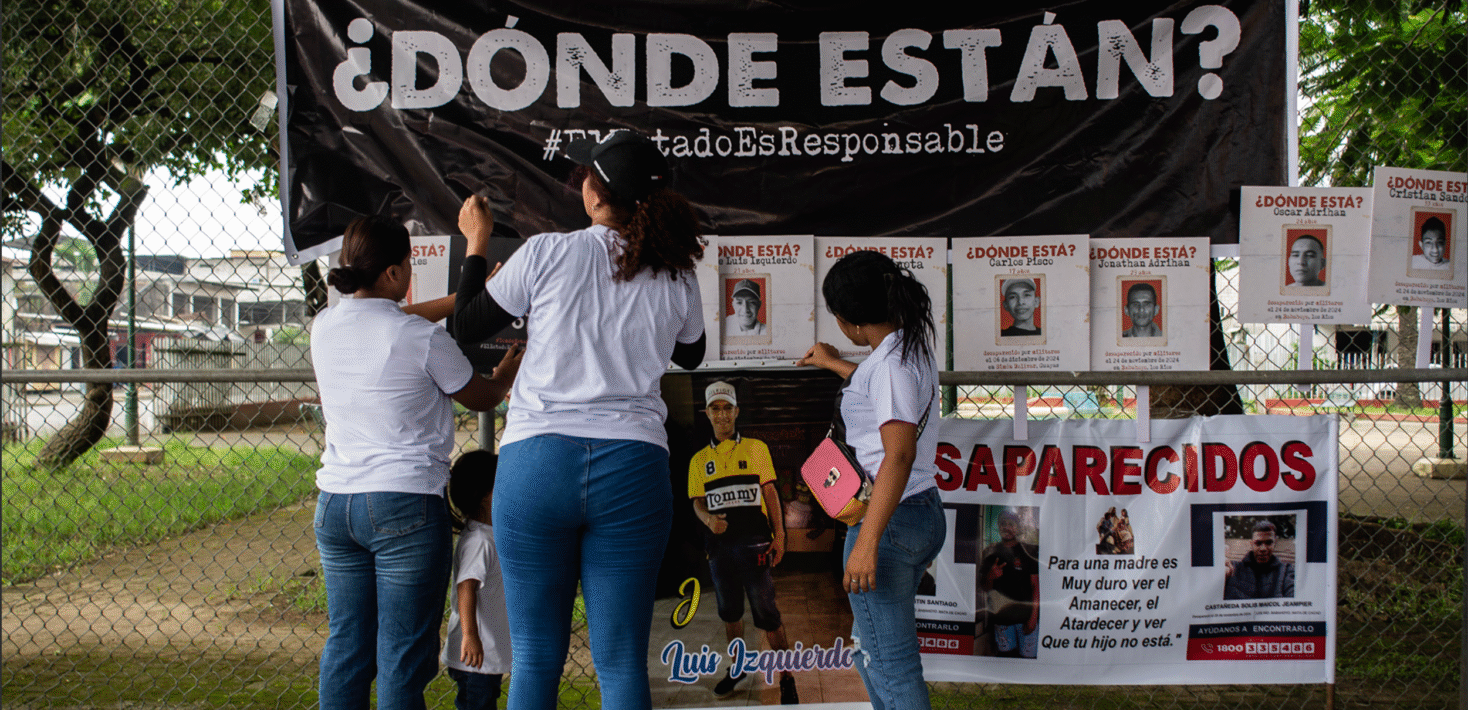
Ecuador: Militarization Continues and the Armed Forces Still Refuse to Cooperate
September 23, 2026

Press Release
Hong Kong: Sentencing of Tiananmen Activists a ‘Triple Tragedy’ and Affront to History
September 11, 2026

Press Release
25 Years Since 9/11, 25 Years of Injustice
September 11, 2026
Press Release
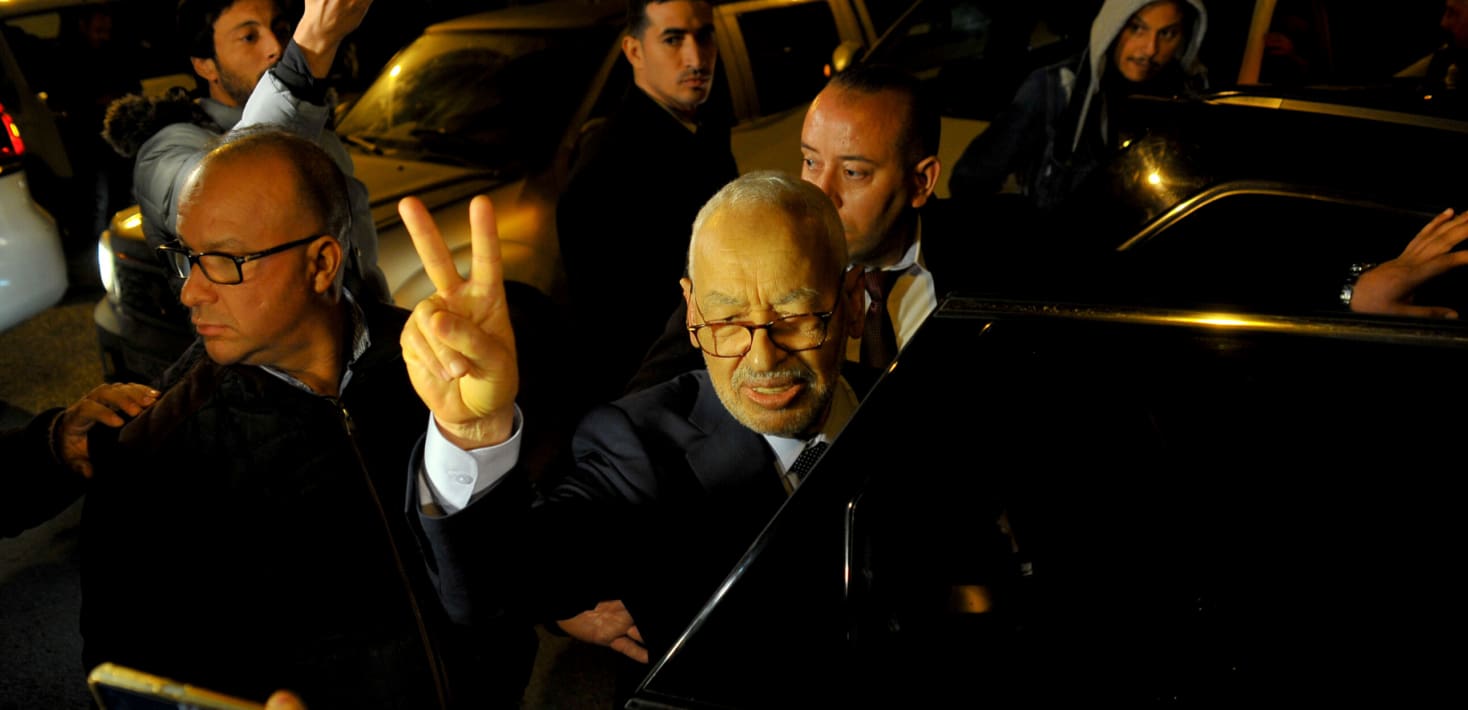
Tunisia: Authorities Must Immediately Release Rached Ghannouchi Amid Severe Fair Trial Violations and Serious Health Concerns
September 10, 2026
Press Release
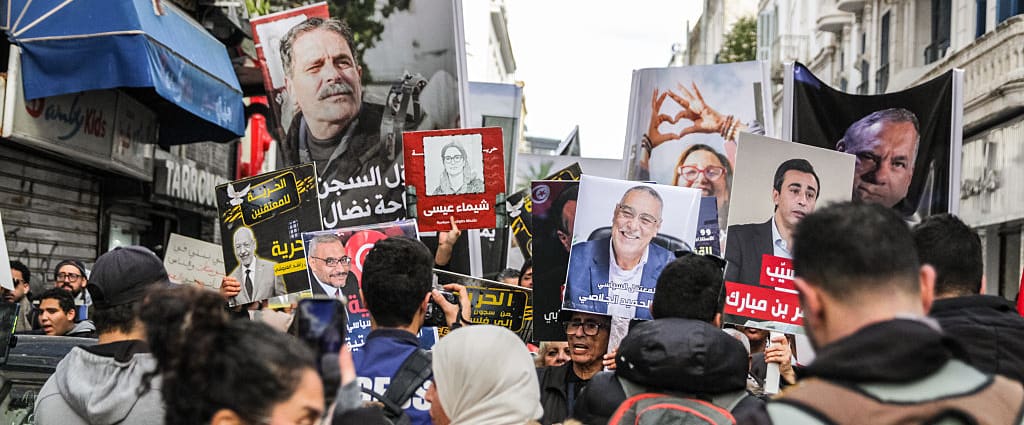
Tunisia: Upheld Convictions in Mass ‘Conspiracy Case’ a Travesty of Justice
September 4, 2026
Press Release
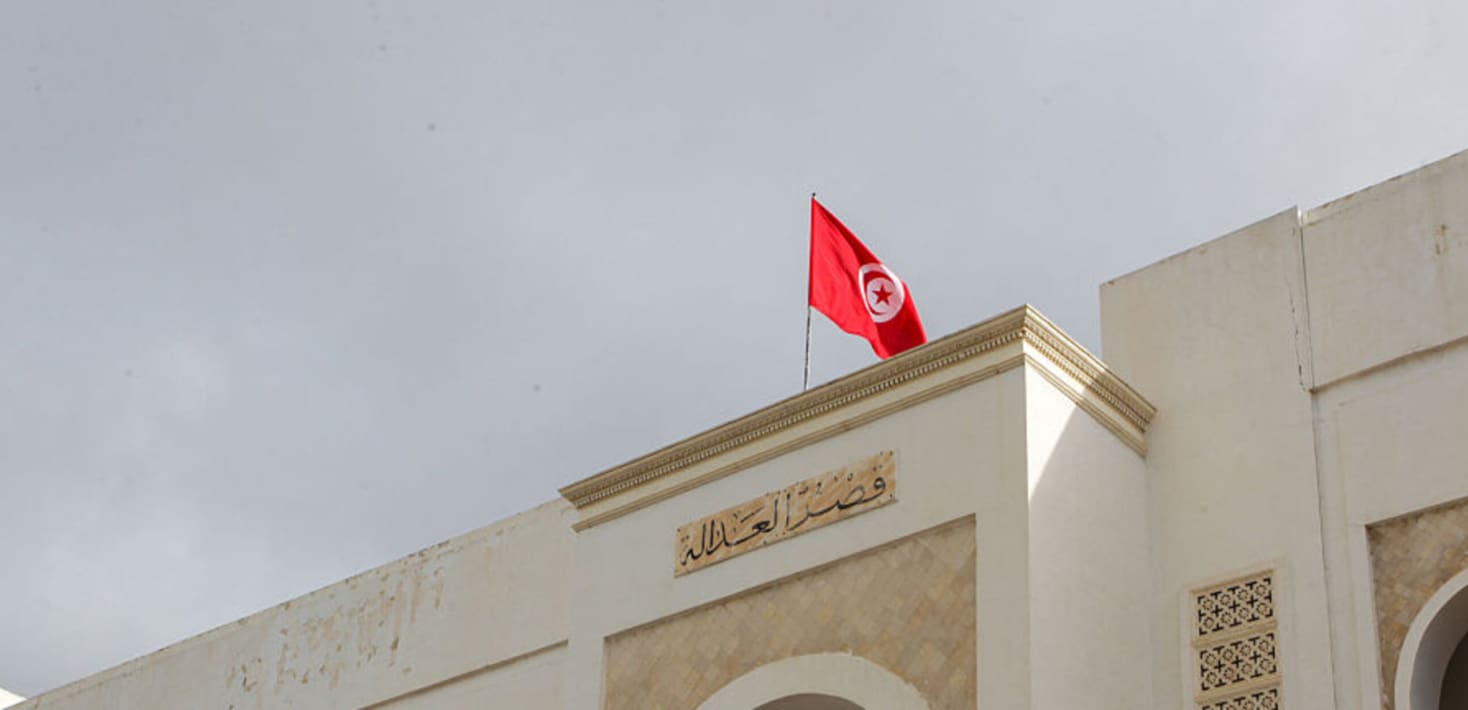
Tunisia: Final Judicial Avenue to Overturn Convictions in Unjust ‘Conspiracy’ Case
September 3, 2026

Press Release
Georgia: Pardoned Protester Must Be Protected from Forcible Return to Russia
September 1, 2026
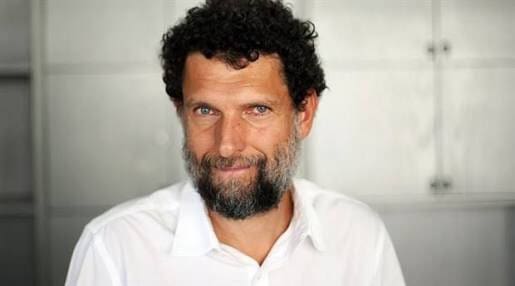
Press Release
Türkiye: Osman Kavala Must Be Immediately Released Following European Court Order to Quash His Conviction
August 25, 2026
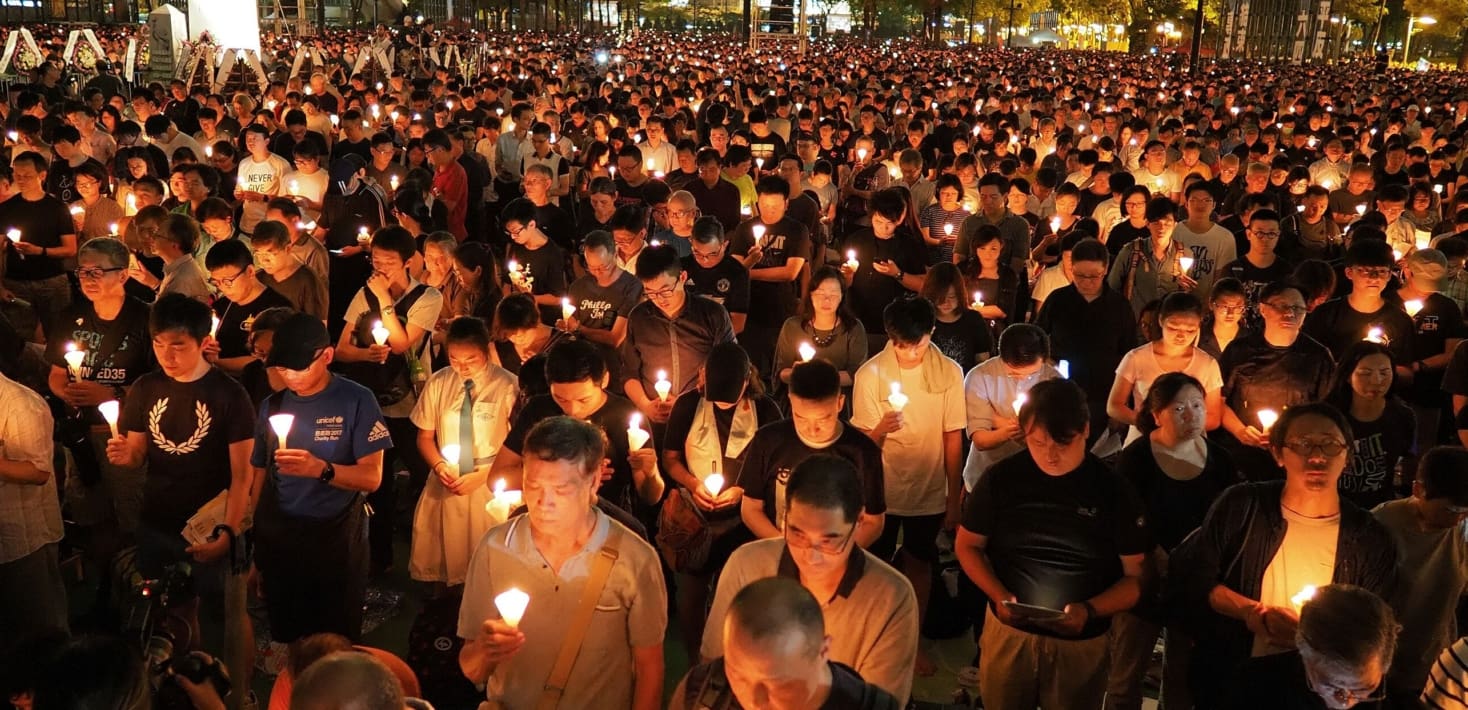
Press Release
Hong Kong: ‘Dismaying’ Tiananmen Convictions Part of Campaign to Erase Chinese History
August 21, 2026
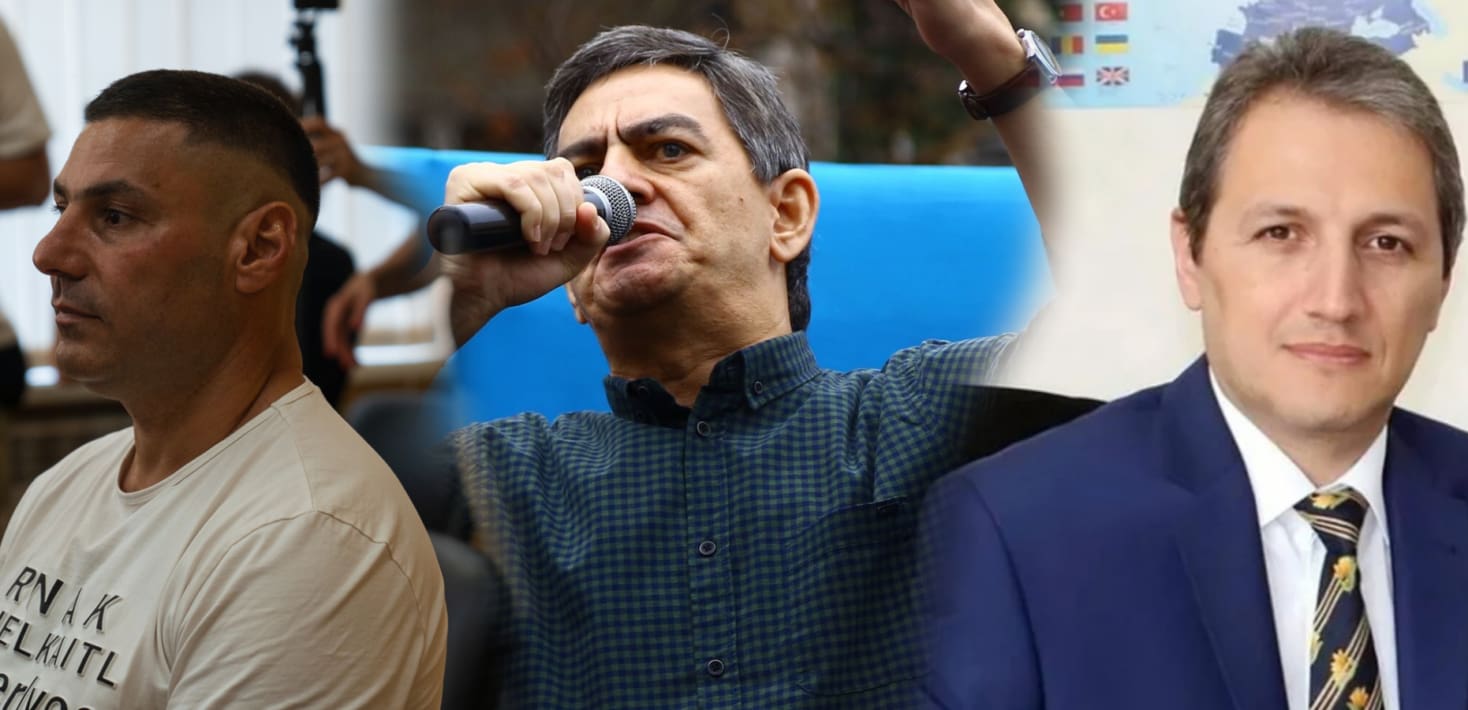
Press Release
Azerbaijan: Health of Imprisoned Government Critics at Risk as Another Political Activist Faces Extradition Threat
August 11, 2026