
What is the Problem?
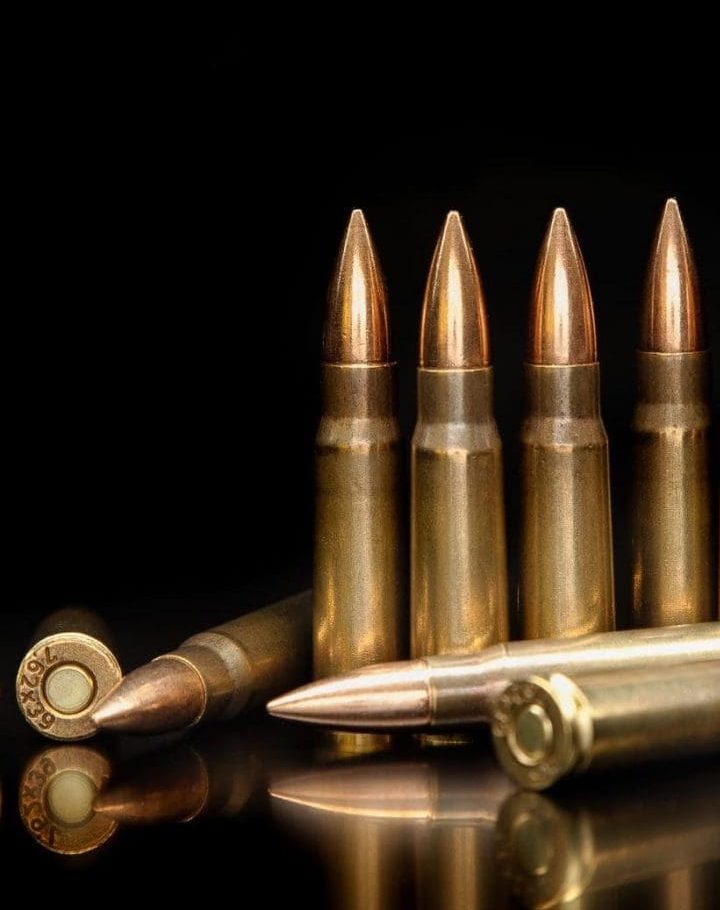
Weapons and ammunition are produced and sold in shockingly large quantities, and reckless arms trade devastates lives. Inside and beyond areas of armed conflict and political instability, civilians typically bear the brunt of modern conflict. Weapons are also a tool for state repression. In too many countries around the world, security forces use firearms and less-lethal equipment against peaceful protestors or to commit other human rights abuses.
What are the Issues and Solutions?
Some weapons and police equipment–for example, thumbscrews or landmines–inherently violate human rights and should never be made, transferred, or used, in any circumstances. Some weapons may be used in ways that comply with international humanitarian and human rights laws, but are misused in violation of international law. In some cases, preventing and ensuring accountability for rights violations and abuses from the misuse of weapons is a matter of following existing international and domestic law and policy. In others, law and policy must be amended to improve arms trade transparency, use monitoring, and accountability mechanisms. States have a responsibility to respect, protect and fulfill human rights, but businesses must also respect human rights in their operations. That means that both governments and corporations have responsibilities to fulfill in the arms trade.
In accordance with international law, Amnesty International opposes the deployment and transfer of weapons where there is a risk they could be used to commit serious violations of international human rights law or international humanitarian law, including possible war crimes. We advocate for the inclusion of a human rights framework in arms trade policies, and we work to prevent arms transfers likely to jeopardize human rights.
Issue: Governments that supply weapons to other states have a responsibility to deny sales where they will be used in serious violation of international human rights and humanitarian law, including genocide and crimes against humanity.
Solution: After more than 15 years of campaigning by Amnesty International and partner NGOs, the Arms Trade Treaty (ATT) achieved the status of recognized international law on December 24, 2014. The Treaty was designed to stop deadly weapons from getting to people who might use them to commit human rights violations, and it has been ratified by more than 110 countries. States parties meet annually to review progress on treaty implementation. The ATT can help save lives, but only if it is properly implemented and if states are held accountable for falling short of their obligations. We support the Leahy Laws, which prohibit the U.S. government from providing training or equipment to foreign security forces where there is credible information implicating them in the commission of gross violations of human rights.
Issue: Law enforcement equipment that is inherently abusive or that is frequently misused for torture or other ill-treatment continues to be traded across the world. Police and security forces today have access to an arsenal of so-called “less-lethal” equipment – weapons that are not designed to kill but can still have a lethal effect.
Solution: For years, Amnesty International has documented the misuse of tear gas, kinetic impact projectiles, batons, and stun technology around the world. It is time for a torture-free trade treaty that stops companies involved in the trade of law enforcement equipment from profiting from acts of torture and prevents states that supply equipment from contributing to abuses. Read more about Amnesty International’s recommendations to the UN on “essential elements” for torture-free trade here.
Issue: Amnesty International unequivocally condemns the use of landmines, cluster munitions, and other inherently indiscriminate weapons under any circumstances. These weapons have a devastating impact on civilians in conflict, and the harm resulting from their use often spans years, if not decades, after a conflict has ended.
Solution: Although the United States is not a party to the Convention on Cluster Munitions (CCM), we continue to press the U.S. government to align with the global community by not producing any new cluster munitions, by making no transfers or sales of its existing cluster munitions to other countries, and by not deploying cluster munitions itself. Our work on indiscriminate weapons ranges from promoting the Mine Ban Treaty and bans on indiscriminate weapons like cluster munitions and landmines to promoting the responsible use of artificial intelligence in weapons development.
Issue: Efforts to develop Lethal Autonomous Weapons Systems (LAWS) hold dangerous implications for human rights. They threaten to undermine human rights in warfare and create accountability gaps since, by their nature, fully autonomous weapons are incapable of making informed determinations about the use of force.
Solution: Amnesty and its partners in the campaign to Stop Killer Robots are calling for a new, binding international instrument that ensures meaningful human control is retained over the use of force by prohibiting the development, production, and use of fully autonomous weapons.
Issue: Firearms in the wrong hands can lead to human rights abuses and gun violence. The United States is the world’s largest exporter of firearms (handguns, rifles, etc). These weapons have a long shelf life and can cause harm for decades after they’re sold. They are often implicated in human rights abuses by security forces and are easily diverted to gangs and other unauthorized end users.
Solution: Alongside our work to prevent gun violence in the U.S. and in keeping with principles spelled out in the Arms Trade Treaty, Amnesty International advocates rigorous controls on the export of firearms and ammunition to buyers abroad. Since the U.S. transferred licensing authority for firearms exports from the State Department to the Department of Commerce in 2020, we have also protested the relaxed conditions for granting firearms export licenses and the loss of transparency in reporting firearms exports.
Demand support for regulating the trade in policing equipment now.
Relevant Links
- This is Real Life, Not Science Fiction: Why We Need a Treaty to Stop Killer Robots
- The Repression Trade: Investigating the Transfer of Weapons Used to Crush Dissent
- “My Eye Exploded”: the global abuse of kinetic impact projectiles
- What is torture
- Essential elements of a torture-free trade treaty
- More than 30 countries call for international legal controls on killer robots
- Interactive map reveals state-sanctioned violence against protesters worldwide
Join Amnesty International USA’s Military, Security and Police Action Network!
The Latest

Report
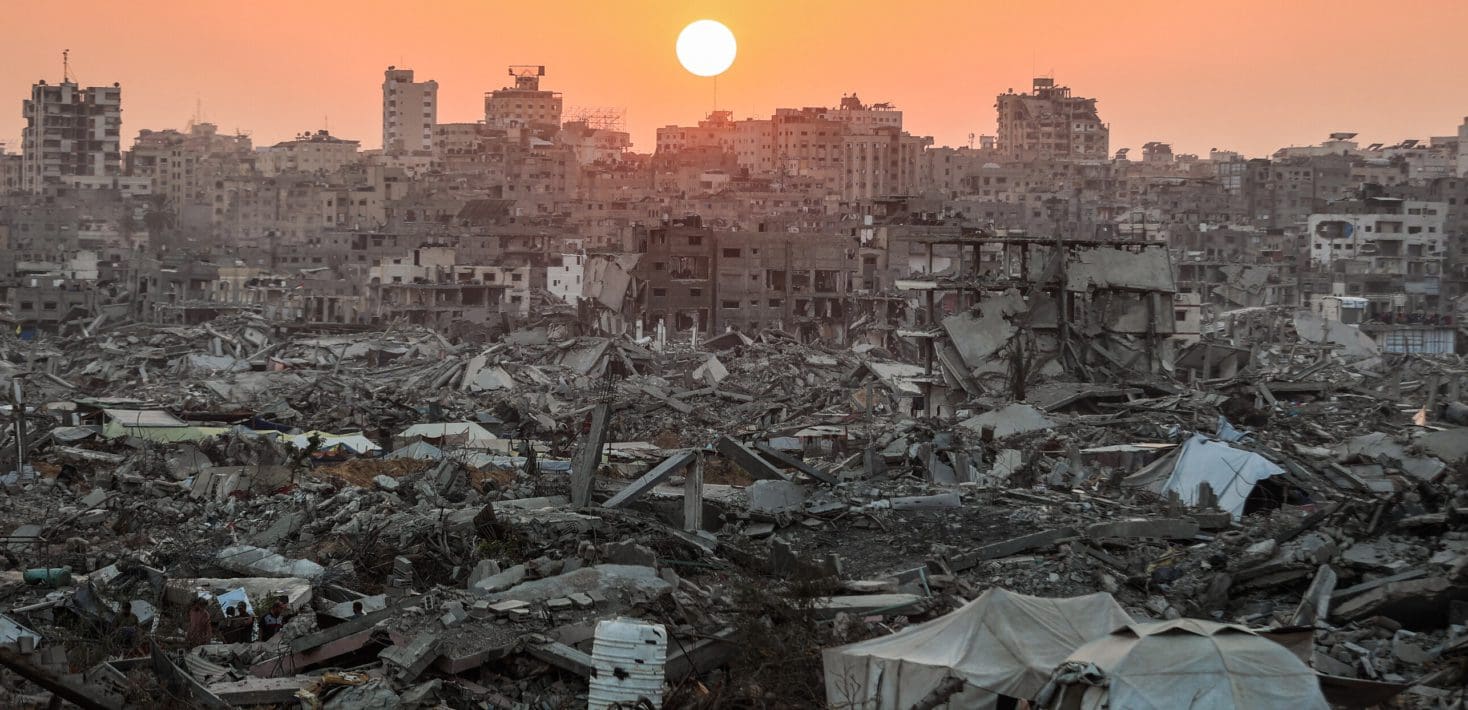
Made in India: The Supply of Weapons and Ammunition to Israel
July 29, 2026
Press Release
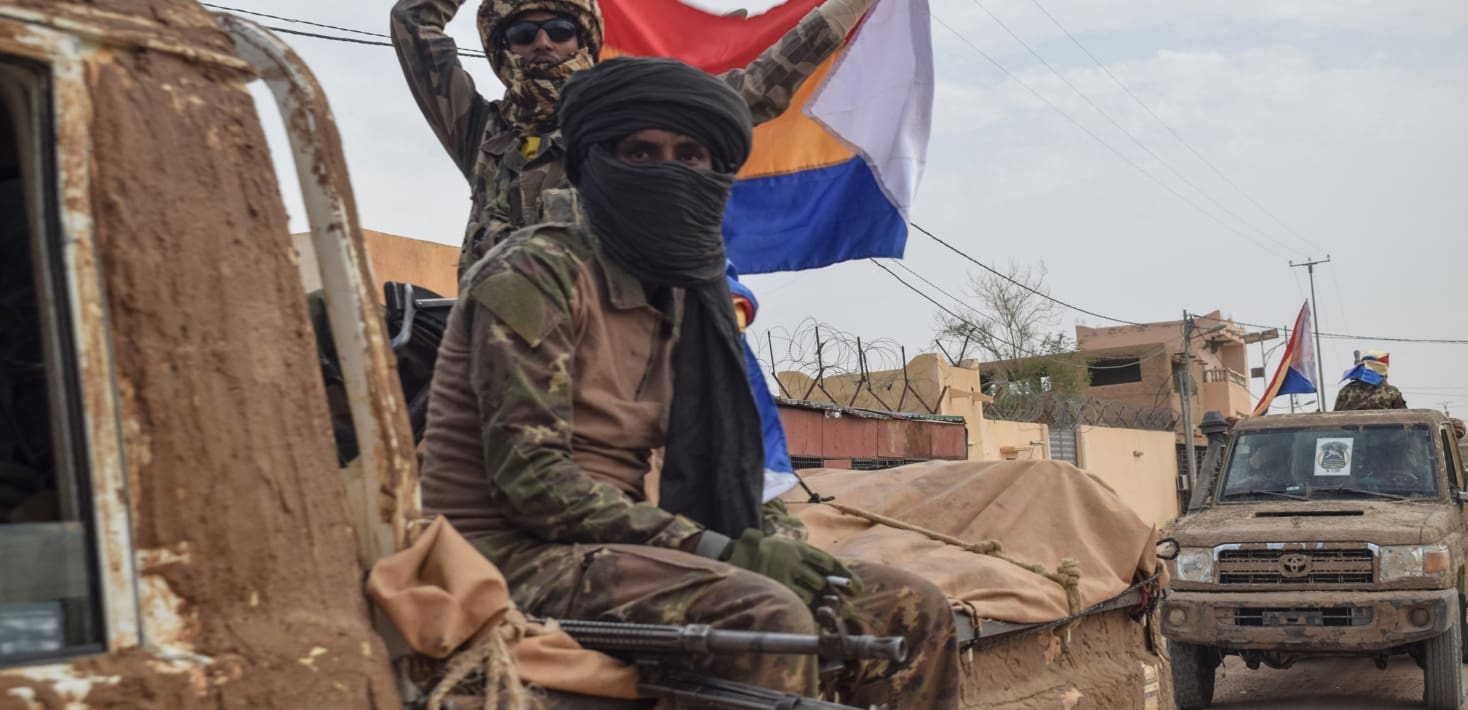
Mali: Evidence of War Crimes by Armed Groups in Gao Region
July 29, 2026
Blog
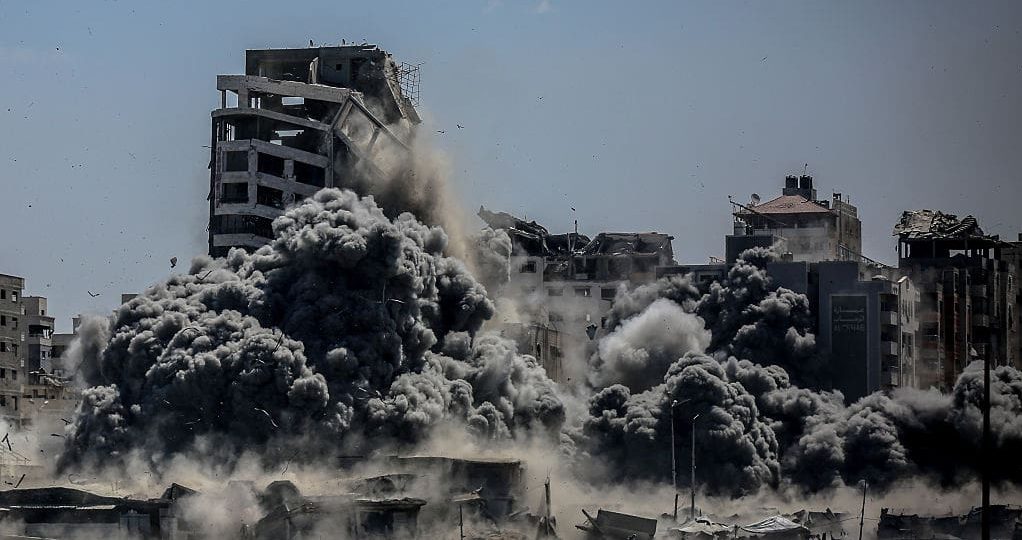
Congress Must Oppose U.S.-Israel Military Integration and Co-Production
June 22, 2026
Press Release
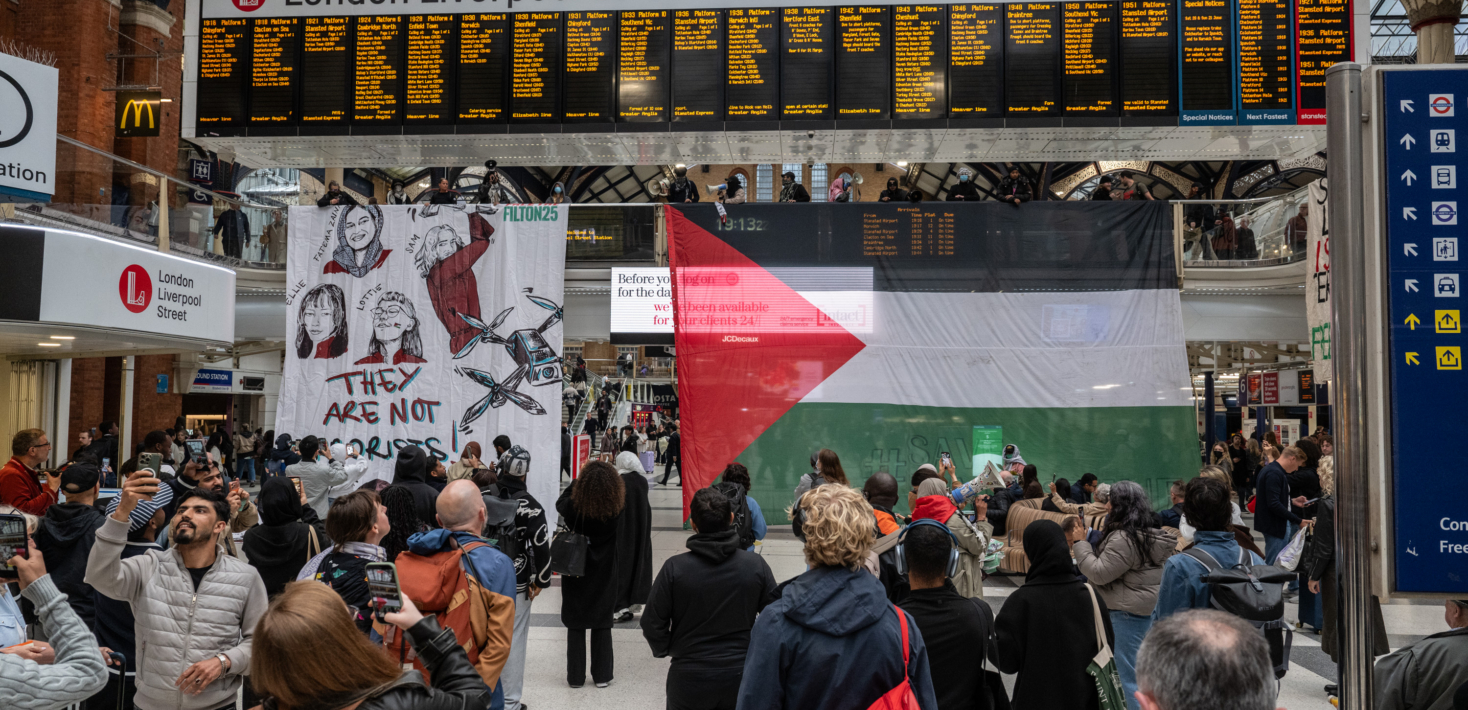
UK: Terrorist Sentence for Palestine Action Marks ‘Dangerous’ Move Against Right to Protest
June 15, 2026
Report
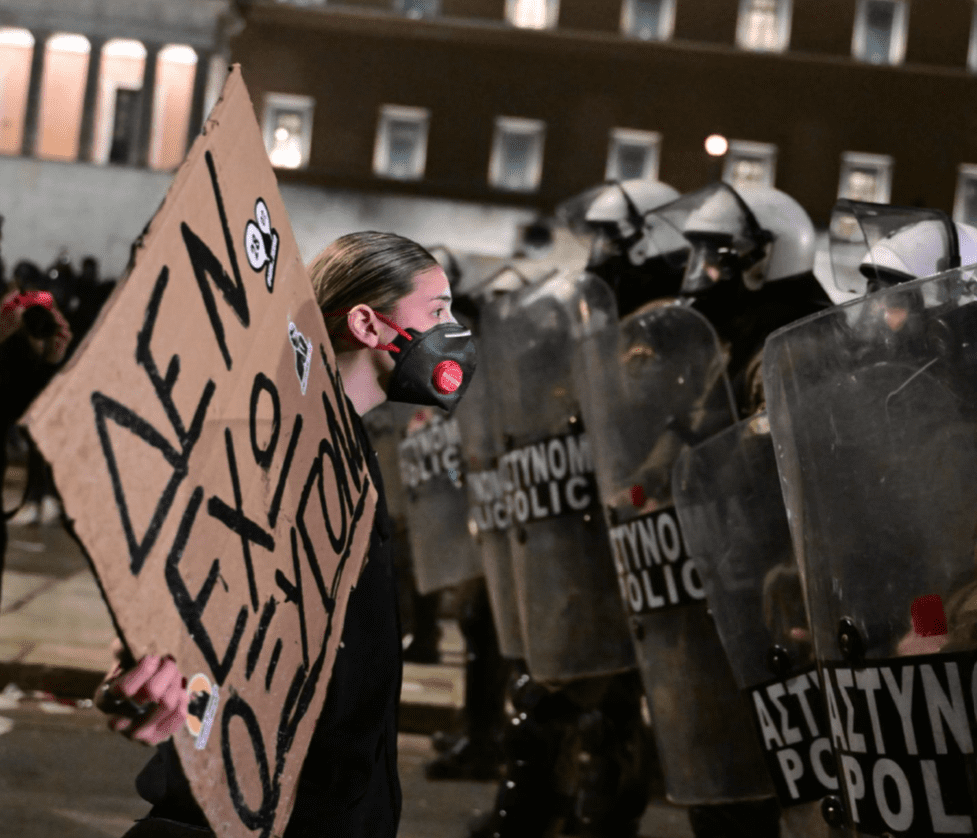
Protests Are Not Battlefields: Patterns of Unlawful Use of Force by Police and Impunity in Greece
June 3, 2026
Blog
Amnesty International USA’s Recommendations for FY27 National Defense Authorization Act (NDAA) Markup
June 2, 2026
Press Release
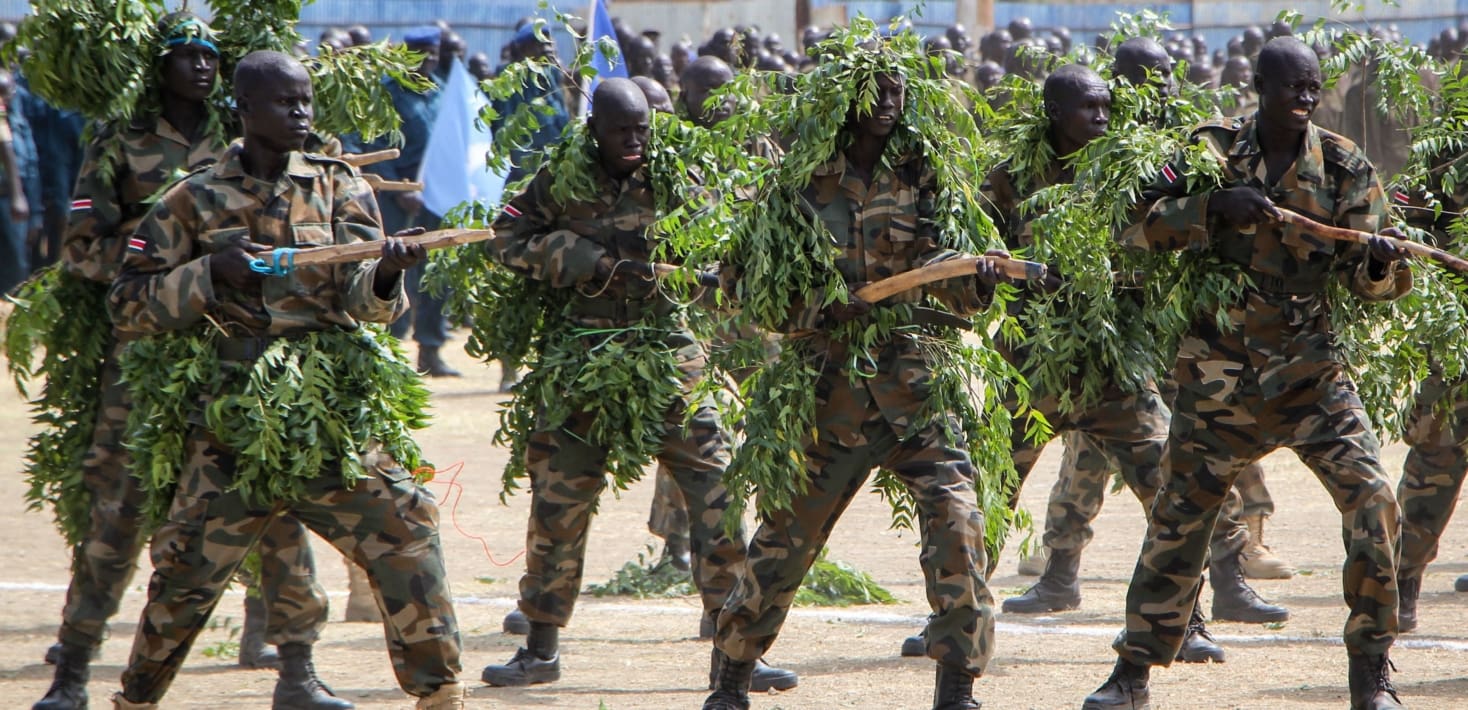
South Sudan: Renewal of UN Arms Embargo is Key to Protecting Civilians
May 29, 2026

Blog
Call 202-224-3121 and Urge Your Senators: Vote YES to Stop the Sale of Deadly Weapons to Israel
April 14, 2026

Blog
Help Block the Bombs with This Lifesaving Bill
February 20, 2026
Blog
Congress Must Co-Sponsor the Block the Bombs Act
February 10, 2026