
What is the problem?
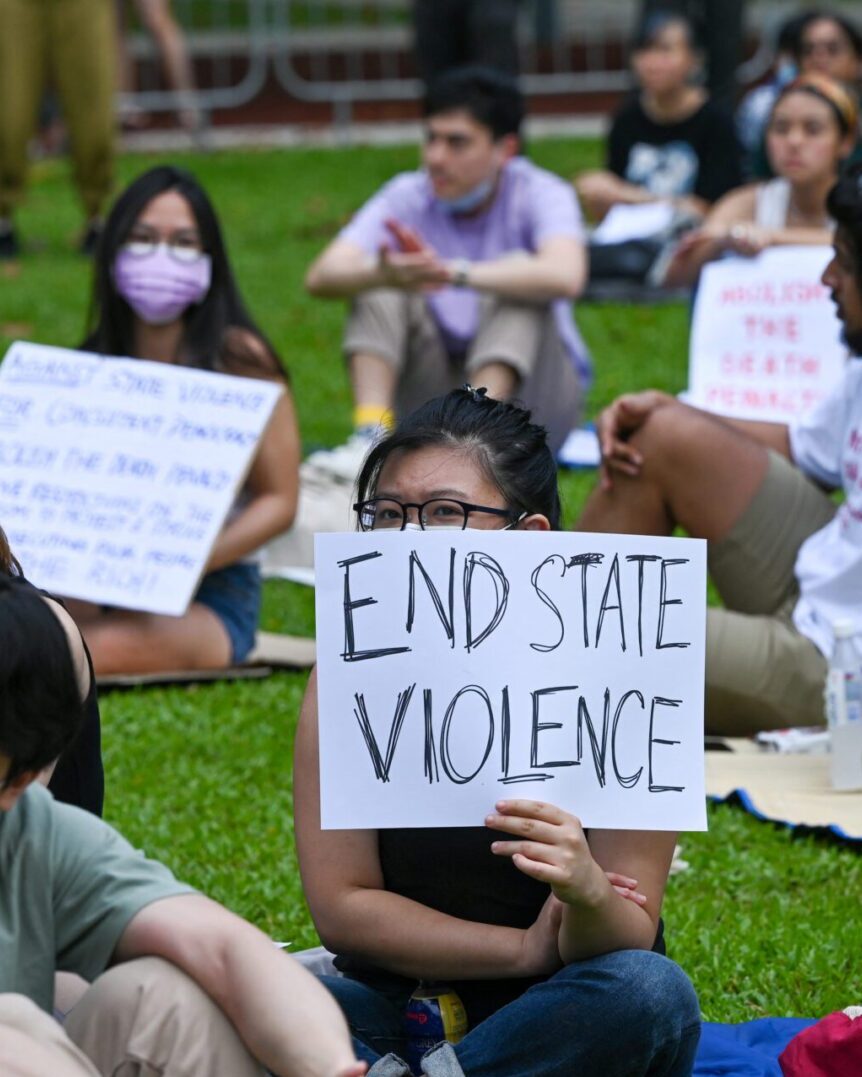
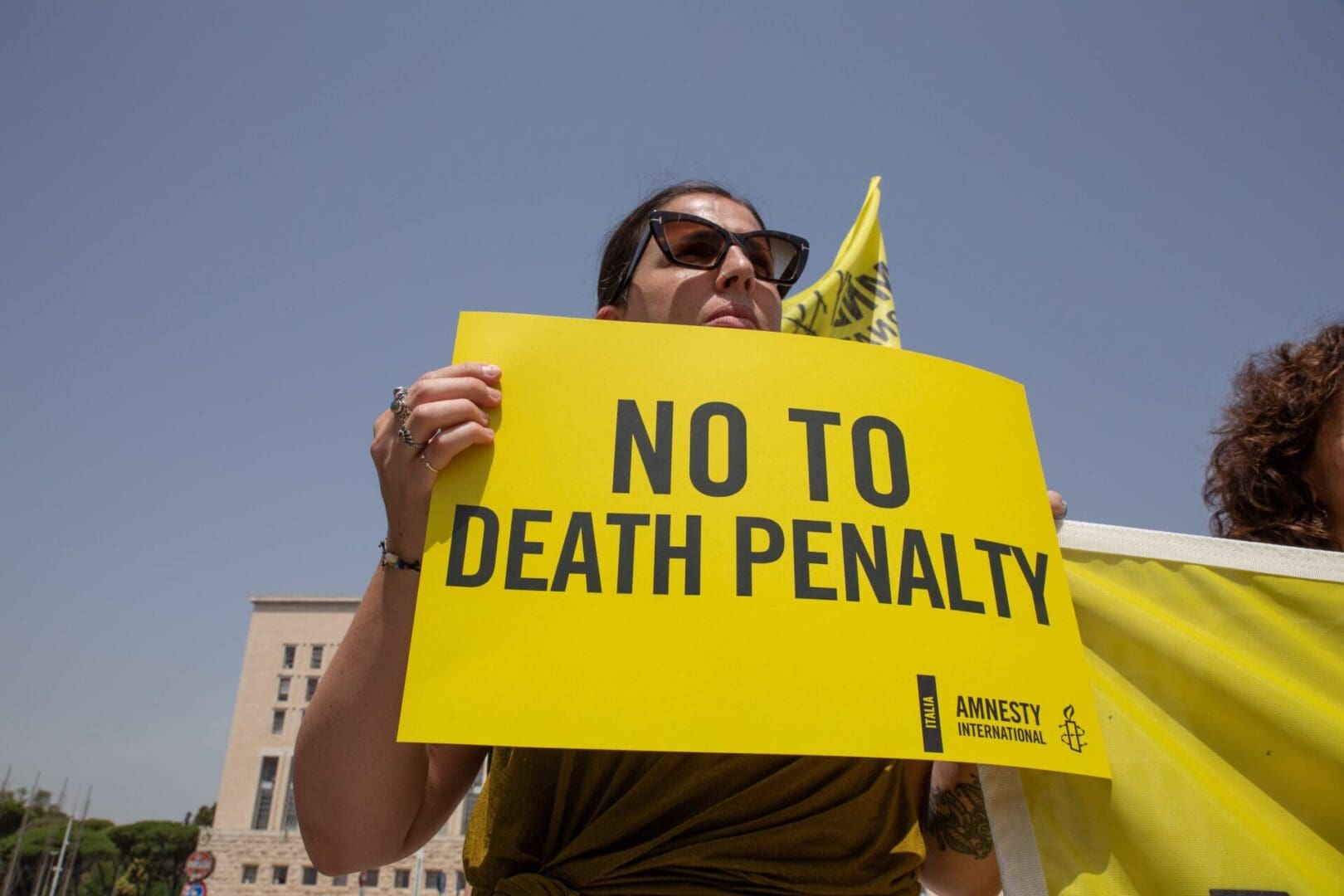
The death penalty is cruel and inhuman.
The death penalty – also known as capital punishment – is irreversible and often imposed in cases where guilt is not proven beyond a reasonable doubt. Despite advancements for human rights, capital punishment still continues to be used in many countries throughout the world including many U.S. states.
No government should give itself the right to kill human beings. We are making tremendous progress – today nearly half of states in the U.S. and two-thirds of the countries in the world have abolished the death penalty, but much more needs to be done.
Why is it an issue?
The death penalty is too flawed to fix.
The death penalty is irreversible and mistakes happen. The risk of executing an wrongly convicted person can never be eliminated. Hundreds of prisoners sent to death row in the United States have later been exonerated or released from death row on grounds of innocence. Others have been executed despite serious doubts about their guilt.
The death penalty does not stop crime. Governments that execute commonly cite the death penalty as a way to deter people from committing crime. This claim is false: there is no evidence that the death penalty uniquely deters crime or improves public safety.
The death penalty is often used within unjust legal systems. In many cases recorded by Amnesty International, people were executed after being convicted in unfair trials without legal representation. In some countries, death sentences are mandatory punishments for certain offenses, meaning that judges are not able to consider the particular circumstances.
The death penalty is discriminatory. The death penalty is applied disproportionally against people of color and poor people in a racially biased way. More than 41% of the death row population in the United States is Black, even though Black people make up about 13% of the U.S. population.
The death penalty is used as a political tool. The authorities in some countries, including Iran and Sudan, use the death penalty to punish political opponents.
Change is possible
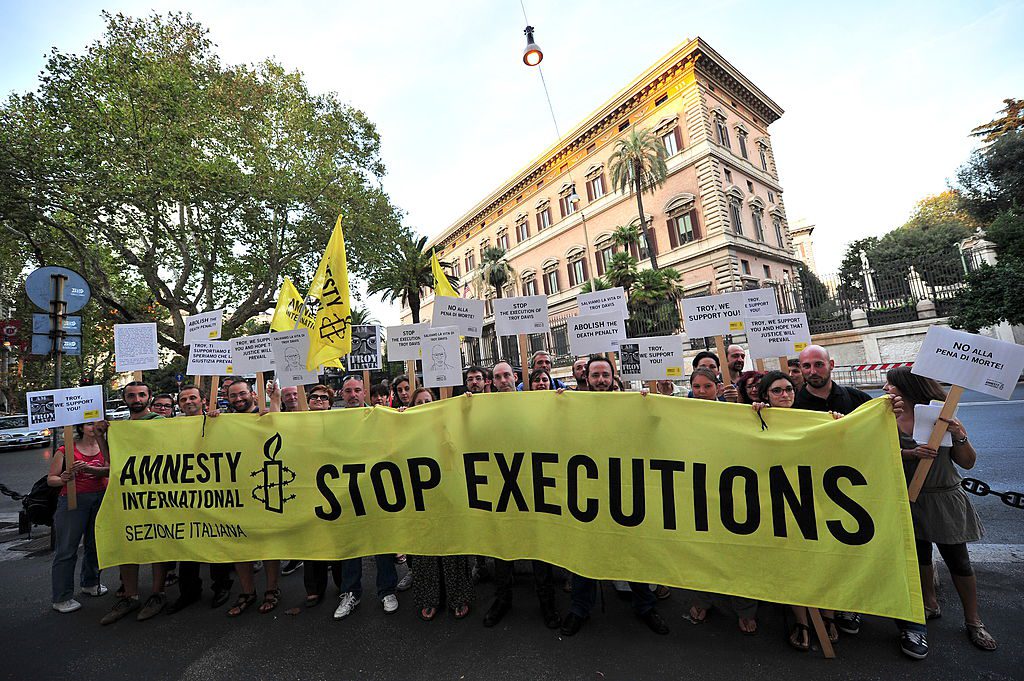
Our campaigns focus on raising awareness about the injustice of the death penalty and the urgent need to end it. When Amnesty International started its work in 1977, only 16 countries had totally abolished the death penalty. Today, that number has risen to 108 – more than half the world’s countries.
We have helped save the lives of countless death row prisoners – and there’s much more work ahead. We must continue to press governments and legislators to end the death penalty everywhere.
We are working on multiple fronts to end this cruel, inhuman and degrading punishment.
- We are campaigning to stop executions of specific individuals in the U.S. and around the world. Take action in urgent cases today
- We are conducting research on the use of the death penalty around the world to shine a light on this human rights violation and to fuel reform.
- We are mobilizing grassroots activists to pass legislation abolishing the death penalty and defeat legislation that would reinstate it. You can join our death penalty abolition work in your state by filling out this form.
Get Involved
Amnesty has a variety of resources available to individuals and groups who wish to host informative and educational events in their communities, schools, or places of worship.
Our team can help you find speakers who are impacted by the death penalty (such as death row exonerees, murder victim family members, former prison workers, etc.) and also experts on the issue, such as researchers, activists, journalists or other movement leaders. You can join our Death Penalty Action Network to get plugged in.
In addition to our global and national work, we also organize to abolish the death penalty at the state level through the leadership of our volunteer State Death Penalty Abolition Coordinators.
We also run the Urgent Action Network, where our community of volunteers flood the mailboxes, inboxes, phones and social media of authorities when someone is in imminent danger of human rights violations. Letters, emails, phone calls, faxes, and tweets from people like you have helped to halt executions.
Our research on the global use of the death penalty revealed a spike in the number of people known to have been executed worldwide, including a significant increase in executions for drug-related offenses.
The Latest
Press Release
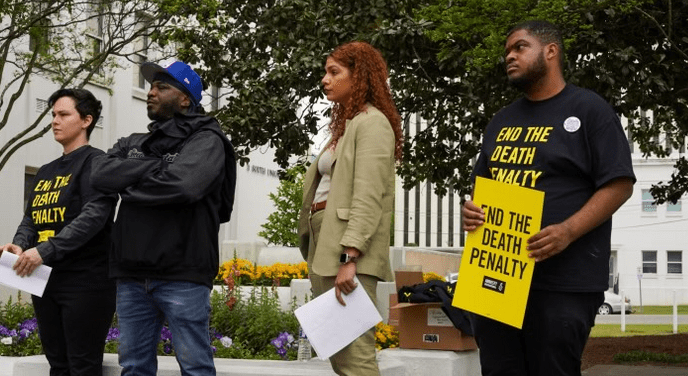
Amnesty International Delivers Thousands of Petitions to Alabama Governor, Asking Her to Grant Clemency to Rocky Myers and Commute His Death Sentence
March 21, 2024
Press Release
Amnesty International USA Condemns Alabama’s Execution of Kenneth Smith, Calls for Moratorium on Use of the Death Penalty as First Critical Step
January 26, 2024 – death penalty
Press Release
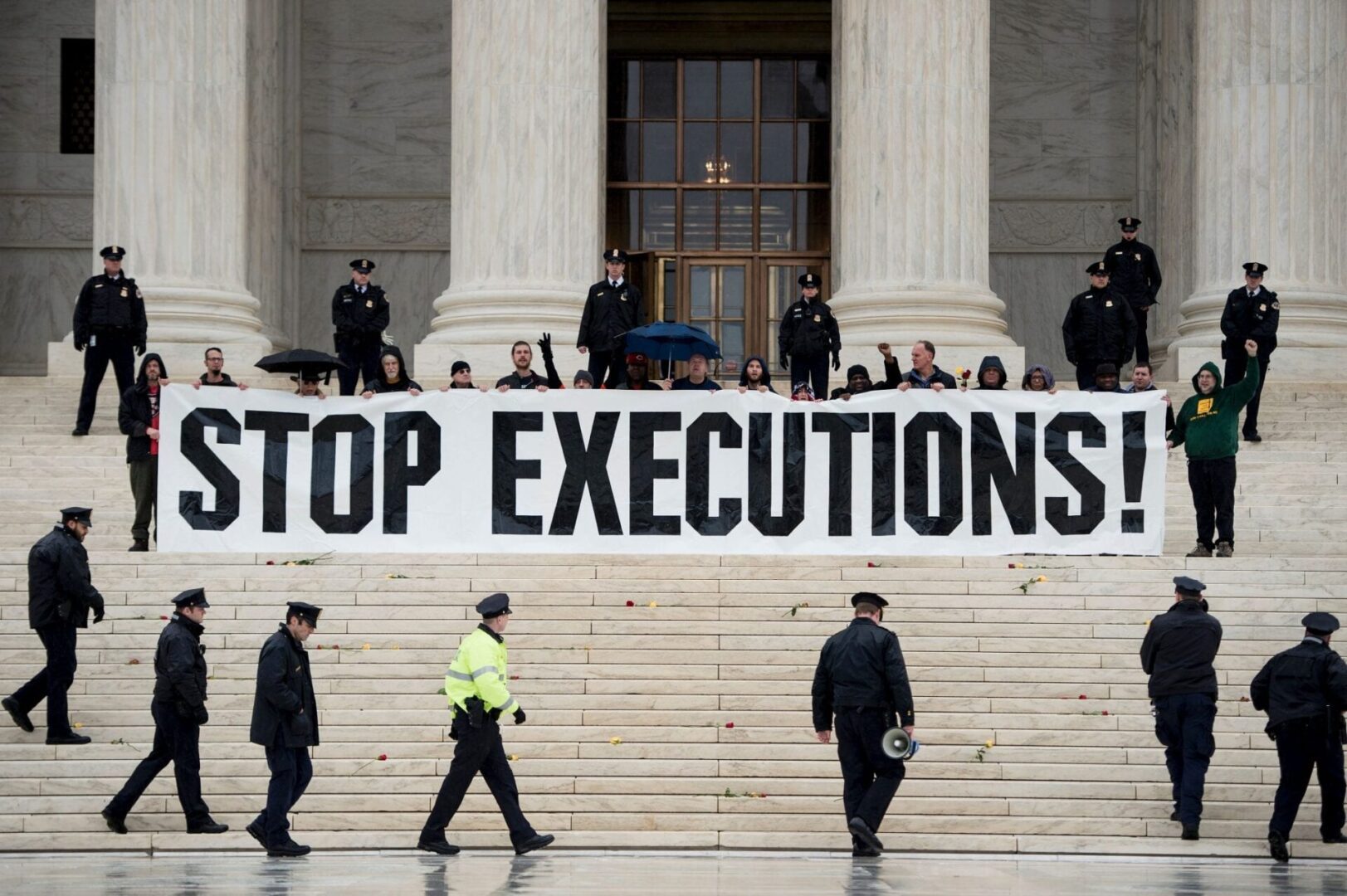
Amnesty International USA: Cruel Planned Execution of Kenneth Smith by State of Alabama Must Be Stopped
January 23, 2024 – death penalty

Update
Two Steps Forward, Two Steps Back – Updates on the Death Penalty in 2023
August 4, 2023
Press Release
DEATH PENALTY 2022: Recorded Executions Skyrocket to Highest Figure in Five Years
May 16, 2023 – Afghanistan
Press Release
Sri Lanka: Biden Must Respond to Dangerous Anti-Terrorism Act
April 14, 2023 – international justice
Press Release
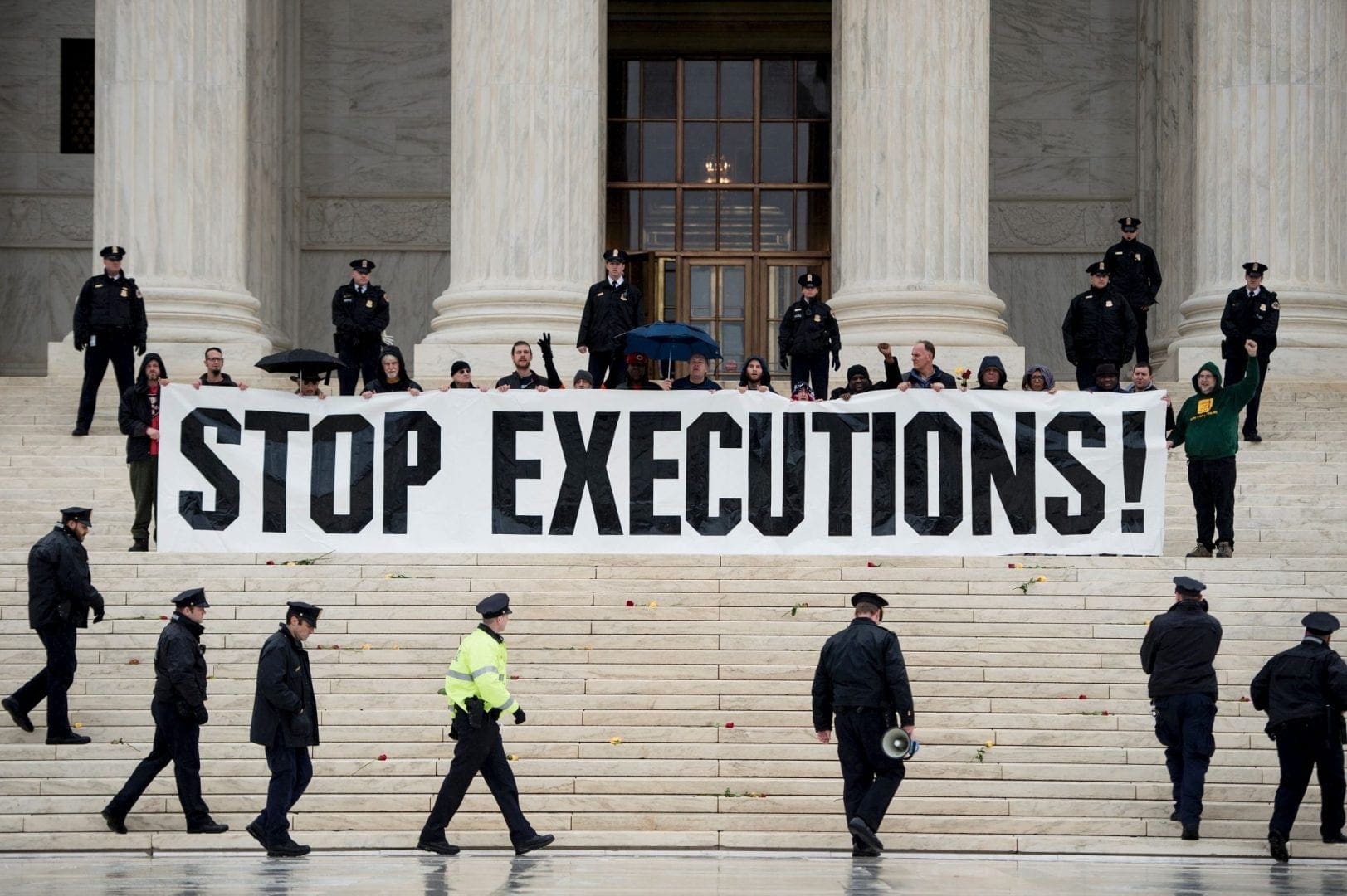
Depths of Degradation, Heights of Hypocrisy: USA’s First Execution of 2023
January 4, 2023
Press Release
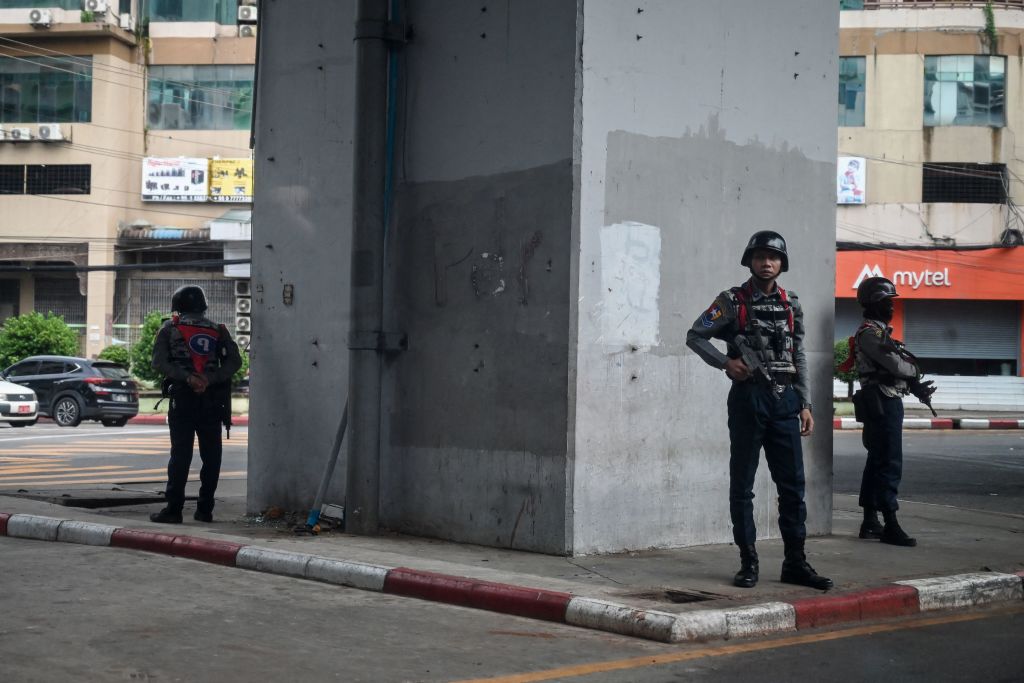
First Executions in Myanmar in Decades Mark Atrocious Escalation in State Repression
July 25, 2022 – capital punishment
Press Release
“Death Sentences” Against Three Foreign Members of Ukrainian Forces by Separatists’ “Courts” a Blatant Violation of International Law
June 9, 2022 – DEATH SENTENCE
Report
Death Penalty 2021: State-Sanctioned Killings Rise as Executions Spike in Iran and Saudi Arabia
May 23, 2022 – 2021 death penalty report
Press Release
Oklahoma Seeks to Revive Machinery of Death Despite Unanswered Legal Questions
October 25, 2021 – oklahoma; death penalty; executions