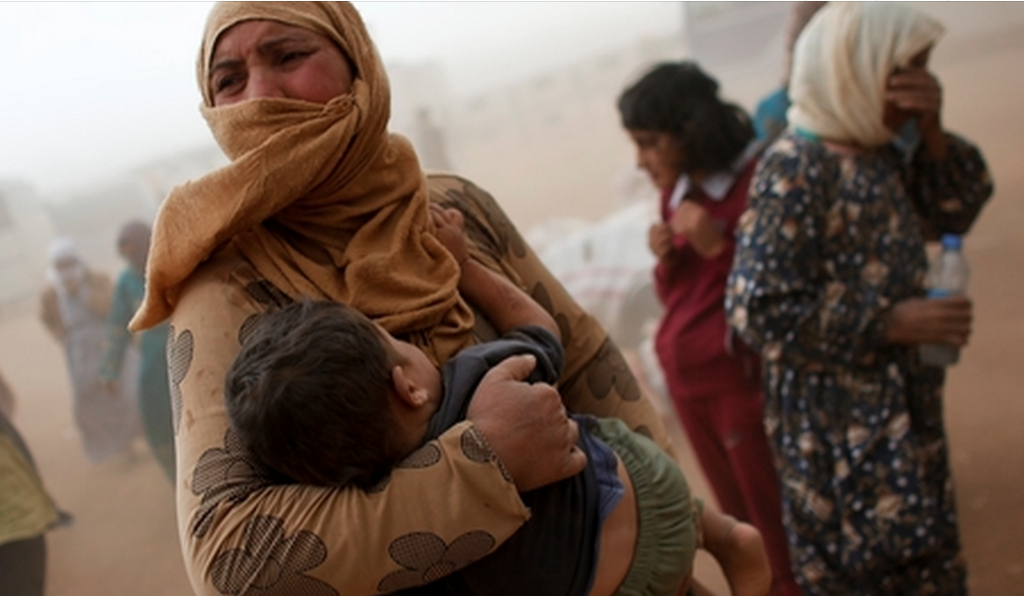
The following information is based on the Amnesty International Report 2022/23. This report documented the human rights situation in 149 countries in 2022, as well as providing global and regional analysis. It presents Amnesty International’s concerns and calls for action to governments and others.
Overview
The authorities carried out arbitrary arrests to limit freedom of expression and security forces continued to use unnecessary and excessive force to disperse protests. At least one protester was shot dead. Efforts toward securing truth, justice and reparation for crimes under international law and other human rights violations committed during the 1996-2006 conflict remained grossly inadequate. The authorities failed to carry out credible and independent investigations into deaths in custody.
Key issues
The authorities continued to intimidate, arrest and prosecute individuals exercising their rights to freedom of expression, association and peaceful assembly.
In August, police in the capital, Kathmandu, arrested comedian Apoorwa Kshitiz Singh after complaints were filed against a video he posted online. He was indicted under the Penal Code on four different charges, potentially leading to a prison sentence of up to five years. In October, the Kathmandu District Court released him on bail.
In October, the Election Commission threatened to seek prosecution of the operators of a social media group “No Not Again”, demanding that they shut down the group and delete posts criticizing politicians. In November, the Supreme Court ordered the Commission to refrain from taking any action against the campaigners and respect their right to freedom of expression. Also in November, the Commission demanded that an online portal – Setopati.com – remove a news story about an electoral candidate. The Commission later retracted the demand after widespread criticism.
The authorities clamped down on victims of loan sharks, mostly farmers from low economic backgrounds who gathered and protested in Kathmandu, and called for justice for financial crimes suffered. In September, the police baton-charged peaceful protesters, injuring at least five, and detained more than 20.
The government failed to make any progress towards delivering truth, justice and reparation to the tens of thousands of victims of grave human rights violations committed by the state security forces and Maoist rebels during the 1996-2006 internal armed conflict. The Truth and Reconciliation Commission and the Commission of Investigation on Enforced Disappeared Persons, which had respectively collected more than 60,000 and 3,000 complaints from victims, failed to resolve a single case. Despite both Commissions’ mandates being extended by the government in October, neither body had commissioners in office after the previous commissioners’ terms expired in July.
In July, the government proposed a bill to amend the Investigation of the Enforced Disappeared Persons, Truth and Reconciliation Commission Act of 2014. The amendment bill marked some progress on reparations for conflict victims but failed to address other shortcomings as ordered by a Supreme Court ruling in 2015 to bring it in line with domestic and international human rights standards. The bill did not progress as it was not endorsed before the parliament’s term ended in September.
There were frequent reports of torture and other ill-treatment being used in pretrial detention to intimidate detainees and obtain “confessions” or other evidence. Although the 2017 Criminal Code criminalized torture and other ill-treatment, no one had been convicted under the law by the end of the year. No credible investigations were conducted into deaths in custody suspected to have resulted from torture.
In May, a Dalit man, Sundar Harijan, was found hanging in a toilet of Rolpa district prison. The police claimed that he had committed suicide. His family rejected the claims but the authorities failed to order an independent investigation into his death. In June, an investigation committee of the Ministry of Home Affairs concluded that the prison administration officials had illegally switched Sundar Harijan’s identity to release another prisoner, making Sundar Harijan serve another man’s jail term. The authorities did not publish their report by the end of the year.
The government failed to reform the National Parks and Wildlife Conservation Act 1973, which did not meet international standards. Indigenous people, evicted from their ancestral lands during the establishment of national parks and conservation areas, remained landless and continued to live in informal settlements facing risks of further forced evictions.
In June, while firing live ammunition at protesters in Bardiya district, police shot dead an Indigenous woman, Nabina Tharu, and injured a man. The protesters were demanding protection from wild animals for people living near the national park, after a woman was attacked by a tiger.
Gender-based discrimination continued. The government failed to reform constitutional provisions which denied women equal citizenship rights.
The restrictive statute of limitations for rape and sexual violence in the Penal Code prevented survivors from registering complaints and accessing justice. Following protests in May and widespread calls from civil society, in July the parliament adopted a law to extend the one-year statute of limitations for filing complaints to two years, or up to three years in some cases.
The authorities did not amend the 2018 Right to Housing law, which failed to adequately guarantee the right to housing. The law did not guarantee protection from forced eviction for those living in informal settlements and did not define key terms such as homelessness and security of tenure. Hundreds of families living in informal settlements across the country remained at risk of forced evictions as authorities threatened evictions.
In November, the High Powered Committee for Integrated Development of the Bagmati Civilization under the Ministry of Urban Development published a 10-day eviction notice for people living in informal settlements along the bank of the Bagmati river. The Committee threatened demolition of the settlements without due process and alternative arrangements, saying they hindered “beautification” work.
The government also failed to take steps to amend the 2018 Right to Food and Food Sovereignty Act, which did not meet international human rights standards.
The lack of a necessary policy framework and regulation hindered the implementation of provisions within existing laws to ensure access to food and housing.
The Latest
Press Release
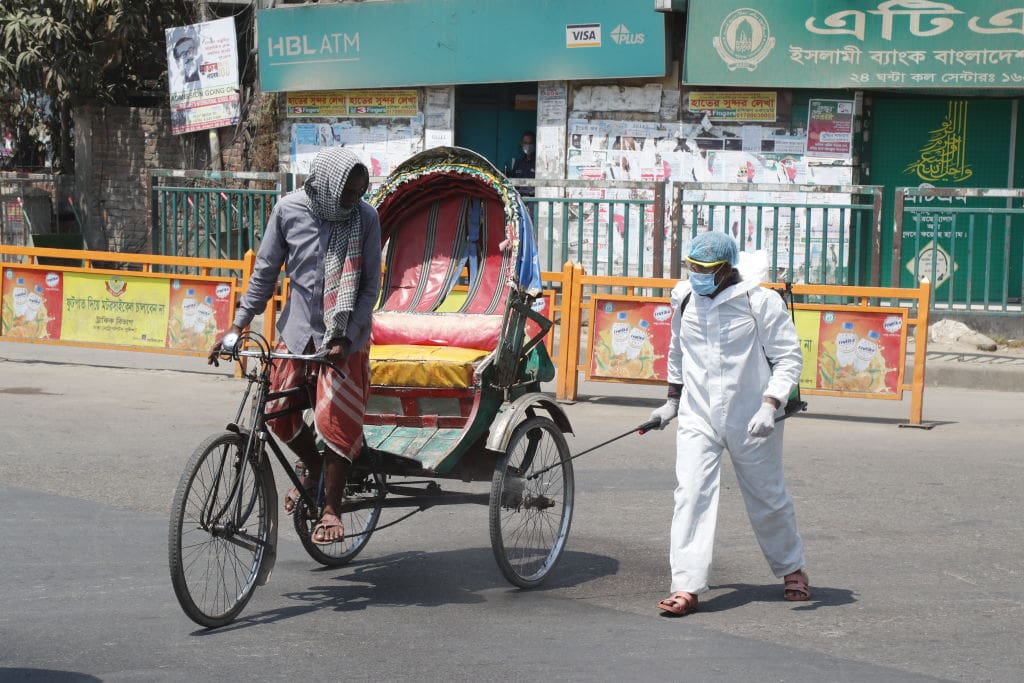
As COVID-19 spreads in South Asia, fears rise for people at higher risk
March 26, 2020 – Coronavirus
Press Release
Amnesty International’s Annual State of the World Report Slams Governments, Including the U.S., for Global Assault on Freedoms
February 22, 2016 – Child Marriage
Press Release
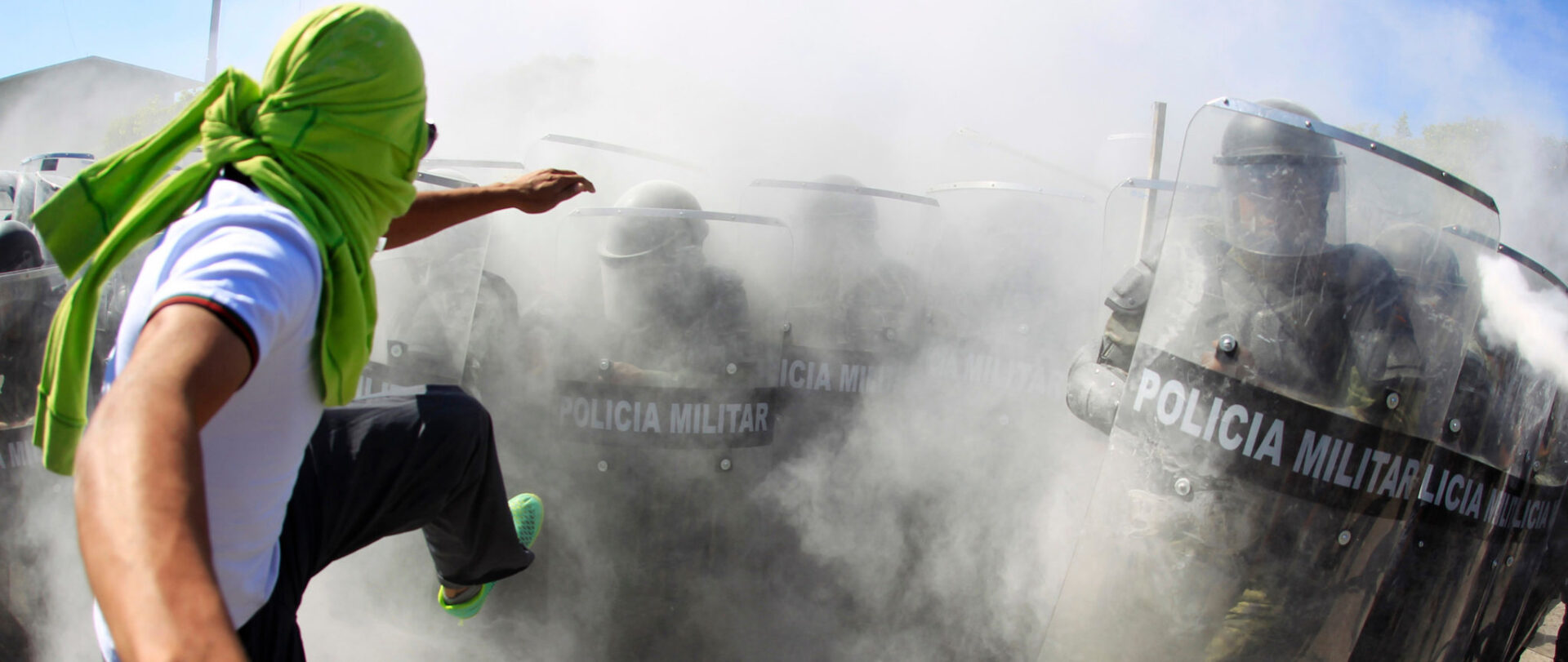
Your rights in jeopardy, global assault on freedoms, warns Amnesty International
February 18, 2016 – Child Marriage
Press Release
Police restraint in Nepal urged as at least 20 more shot amid Constitution-related protests
September 21, 2015
Press Release
Nepal Reconstruction Must Not Leave Behind Those Most Affected by the Earthquake
June 24, 2015 – Nepal
Report
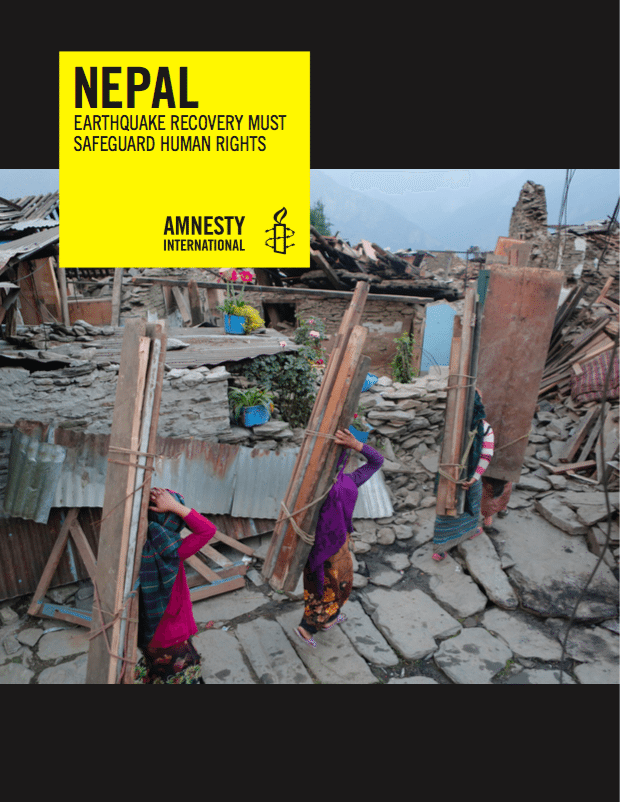
Nepal: Earthquake Recovery Must Safeguard Human Rights
June 1, 2015 – housing and forced eviction
Press Release
Nepal: End discrimination in earthquake relief effort
June 1, 2015 – housing and forced eviction