
The following information is based on the Amnesty International Report 2022/23. This report documented the human rights situation in 149 countries in 2022, as well as providing global and regional analysis. It presents Amnesty International’s concerns and calls for action to governments and others.
Overview
Restrictions on women’s rights, freedom of the media and freedom of expression increased exponentially. Institutions designed to support human rights were severely limited or shut down completely. Peaceful protesters faced arbitrary arrests, torture and enforced disappearance. The Taliban conducted extrajudicial executions, arbitrary arrests, torture and unlawful detention of perceived opponents with impunity, creating an atmosphere of fear. Extreme poverty increased, exacerbated by drought and other natural disasters. Public executions and floggings were used as punishment for crimes such as murder, theft, “illegitimate” relationships or violating social norms. Women’s rights continued to be attacked, and women’s participation in public life was severely limited. Afghanistan was the only country in the world where girls were banned from attending secondary school. Almost all institutions set up to address gender-based violence under the former government were shut down by the Taliban.
Background
Already a poor country, Afghanistan plunged deeper into poverty due to its international isolation and the economic upheaval brought on by the Taliban takeover in 2021. According to the UN Office for the Coordination of Humanitarian Affairs, 97% of Afghans were living in poverty, up from 47% in 2020. The lack of social protections led families to resort to measures including child marriage and the selling of organs. The level of humanitarian assistance did not meet the population’s needs. The economy continued to be seriously hampered by the freezing of Afghan foreign reserves and the cutting of development assistance, steps taken by the international community following the Taliban takeover. The aid received by Afghanistan in 2022 was mostly humanitarian assistance, aimed at preventing starvation, but not contributing to other social needs. As a result, access to healthcare, employment and education continued to suffer. The exodus of doctors, engineers, lawyers, teachers and government officials left those sectors severely under-resourced. The increasing humanitarian crisis was made worse by drought, flash flooding, earthquakes and other natural disasters, some exacerbated by climate change. The Taliban Supreme Leader ordered the Taliban judges to impose sharia law – Islamic law – in November, and thereafter public executions and floggings began.
Key issues
Under the Taliban, extrajudicial executions of people associated with the former government, members of armed groups such as the National Resistance Front (NRF), Islamic State of Khorasan Province (IS-KP) and those allegedly not following the Taliban’s rules appeared to be widespread and systematic. This included Afghans associated with the former government or former security forces. The UN Assistance Mission in Afghanistan (UNAMA) recorded at least 237 extrajudicial executions between the Taliban takeover on 15 August 2021 and 15 June 2022. In December, the UN reported at least another 69 extrajudicial killings primarily of NRF members, 48 of of which had occurred between 12 and 14 September in Panjshir province.
In one incident in Ghor province on 26 June, the Taliban attacked the home of a man associated with the former government, killing six Shia Hazaras: four men, a woman and a girl. Three of the men killed were members of the former anti-Taliban groups known as the People’s Uprising. Following the extrajudicial killings the Taliban claimed that they were rebels, despite the fact that all those killed were civilians. In September, fresh videos and pictures of extrajudicial killings by the Taliban of people associated with the NRF in Panjshir province appeared on social media. The attacks clearly constituted a war crime. The Taliban Ministry of Defence announced an investigation into the incident, but no findings were made public. Media reported that civilians in the area were evicted and their homes taken over to be used as police and military installations. The Taliban authorities also tortured to death civilians in Panjshir province, according to media reports. On 6 September the UN Special Rapporteur on the situation in Afghanistan reported on executions of captured fighters in Balkhab district of Sar-I-Pul Province.
Impunity prevailed for such crimes under the Taliban. There were no proper or transparent investigations into extrajudicial executions or other gross human rights violations. Taliban officials continued to deny that such violations had occurred and rejected the findings of NGOs including Amnesty International.
The Taliban began publicly executing and flogging people for crimes such as murder, theft, “illegitimate” relationships or violations of social norms. Between 18 November and 16 December, more than 100 people were publicly flogged in stadiums in several provinces, according to UN human rights experts.
In December, the Taliban authorities carried out their first public execution in Farah province in the presence of senior Taliban officials including the deputy prime minister, ministers and the chief justice.
The space for free media shrank drastically as the Taliban created an increasingly intimidating environment, forcing many media outlets to close. Journalists faced growing restrictions including arbitrary arrest, unlawful detentions and torture in response to reporting that criticized the Taliban, leading many to self-censor. Journalists were beaten and faced other forms of torture while detained. Many journalists fled the country. Women television reporters were forced to almost completely cover their faces.
The Afghanistan Independent Human Rights Commission (AIHRC), the national human rights institution, remained closed, and the space for civil society organizations to document and report on human rights shrank significantly. Independent human rights groups were unable to work freely. The Taliban arrested and unlawfully detained those who criticized the Taliban on social media, particularly Facebook. The Taliban dismantled any space for peaceful assembly, demonstration or gathering. Taliban police used excessive and unnecessary force against demonstrators, and peaceful protesters were arbitrary arrested, detained, tortured and forcibly disappeared. Detained protesters faced physical and psychological torture. Family members prevented female relatives from protesting out of fear of repercussions, further shrinking the space for freedom of assembly.
The Taliban shut down the Ministry of Women’s Affairs (MoWA) and replaced it with the Ministry for the Propagation of Virtue and Prevention of Vice, which issued restrictive and abusive decrees on women’s and girls’ rights. Women who protested against these restrictions were met with unlawful detention and violence.
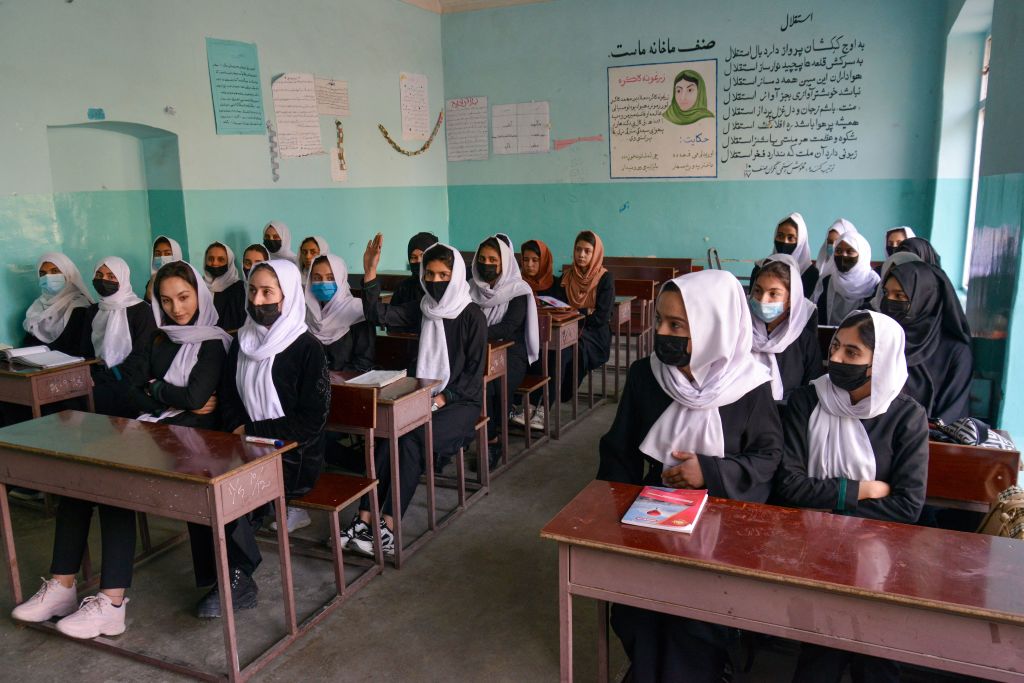
Girls remained barred from attending secondary school, and from December, from tertiary education. Previously, women attending universities were required to learn in gender-segregated classrooms wearing head-to-toe coverings, among other restrictions. They faced difficulties registering for classes and the national university entrance exam and, in some instances, were denied entrance to university buildings, making higher education almost inaccessible. Women were also barred from studying certain subjects. By the end of the year, women and girls were only permitted to attend primary schools.
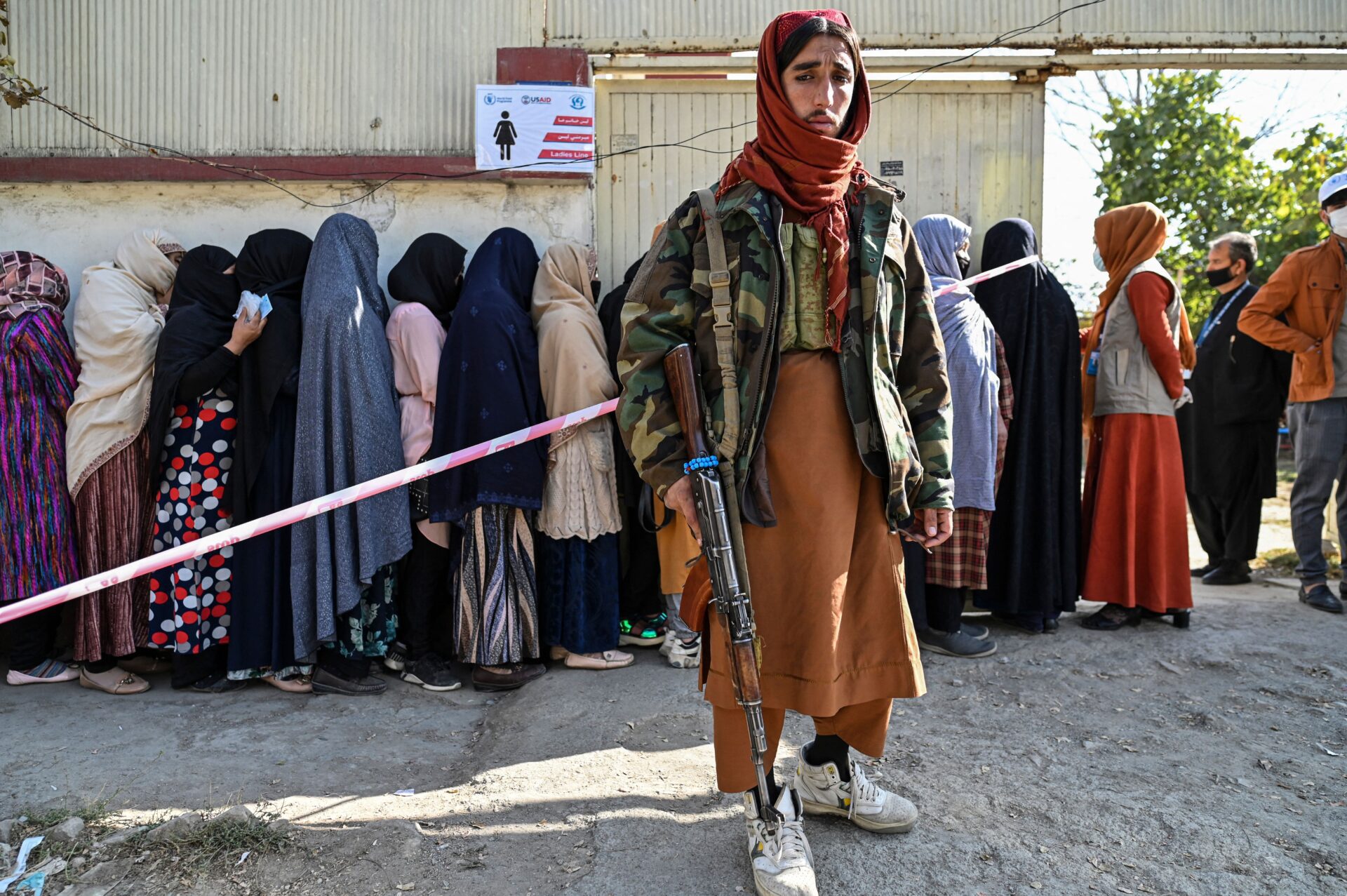
Women and girls were increasingly prevented from freely accessing other public spaces through various measures. The Taliban imposed a dress code, required women to have a chaperone (mahram) to accompany them in public, and banned women and girls from public parks. In August, the media reported that 60 women university students were denied the right to leave Afghanistan because they did not have a mahram. These rules were arbitrarily and randomly enforced and many women chose not to travel alone as a result.
The Taliban announced that male relatives would be responsible for any violations of the restrictions by women and girls in their families. This led to family members restricting the rights of female relatives out of fear of reprisals by the Taliban authorities. The Taliban cracked down on women who protested against these restrictions publicly or on social media, including through beatings, arrests, unlawful detention and arrests of family members. Some of the women arrested, including those fleeing abuses, were charged with a vague and ambiguous “crime” of “moral corruption”. However, following the Taliban takeover the applicability of previously existing laws remained mostly unclear as the Taliban publicly enforced their narrow and restrictive understanding of the sharia laws in the country. While protests continued throughout the year, they were increasingly met with resistance from Taliban police who blocked the way of protesters and arrested journalists attempting to cover the protests.
The dismantling of former government structures, including the MoWA and the AIHRC, and the conversion of the judicial system into the religious-based sharia system, reduced the protections previously available to women and girls. This led to an increase in reports of domestic violence and forced marriages. There was no reliable mechanism to which women victims of domestic violence could turn. Courts and prosecution units that were previously responsible for investigating and adjudicating cases of gender-based violence remained shut. The Taliban authorities and community-level dispute resolution mechanisms both punished women for reporting domestic violence.
The Taliban additionally barred women and girls from working with NGOs in December. This and other Taliban restrictions on women’s rights to work outside the home hugely affected women’s livelihoods – in particular households where they are the sole breadwinners – at a time of increasing national food insecurity. Unlawful attacks and killings Between August 2021 and June 2022, UNAMA recorded 2,106 civilian casualties. Many were people killed by the IS-KP, which continued to carry out systematic and targeted attacks on minority ethnic and religious groups, including by bombing religious and educational centres and attacking public transportation taken by these groups. Such instances included an attack on a Sikh temple in the capital, Kabul, on 18 June and the bombing of an education centre in a primarily Hazara neighbourhood on 30 September. The latter killed at least 52 teenagers, mostly girls. The Taliban authorities failed to investigate these attacks or take adequate steps to protect minorities. Instead, in some instances, the Taliban removed existing security measures set up under the former government to protect these minority groups. This included removing guards protecting sites likely to be targeted, exposing them to further risk of attack. In areas of ongoing armed resistance against the Taliban – particularly in the provinces of Panjshir, Baghlan, Badakhshan and Sari Pul – civilians continued to face death, arbitrary arrest, torture and restricted movement enforced by local Taliban authorities. Locals also reported that the Taliban carried out forced evictions in these areas, particularly in Panjshir.
The government takeover by the Taliban continued to be deeply damaging to the country’s healthcare system. The Taliban policy on women healthcare workers remained ambiguous and inconsistent. Because of requirements that women travel with a mahram, as well as fears of Taliban reprisals against women and the large numbers of educated women who fled the country, the healthcare sector faced a serious depletion in human resources. This was particularly challenging in rural areas where health resources were already limited under the previous government. The freezing of most international aid, which had been largely responsible for supporting healthcare before 2021, left hospitals and health clinics with limited resources or staff, contributing to a widespread inability to access healthcare. Refugees and internally displaced people Large numbers of Afghans continued to flee the country due to a well-founded fear of persecution by the Taliban. Despite the dangers they were subject to in Afghanistan, other countries continued to deport Afghan refugees and asylum seekers. Some fleeing Afghans were shot dead, denied the right to apply for asylum, faced pushbacks on the border, or met with other violations and exploitation by the authorities of the countries in which they sought refuge.
At the beginning of the year, 3.8 million people were internally displaced in Afghanistan, living in precarious circumstances with limited ability to access their human rights. The Norwegian Refugee Council reported that the Taliban forcibly evicted some of these internally displaced people from urban areas and forced them to return to their villages of origin, where they faced extreme poverty and an inability to sustain themselves.
LGBTI people in Afghanistan continued to face grave human rights violations perpetrated by the Taliban, including threats, targeted attacks, sexual assaults, arbitrary detentions and other violations. Many LGBTI people remained fearful that past discriminatory practices by the Taliban would resurface. These historically included punishing those believed to be engaging in same-sex relations with death. Many LGBTI people remained in hiding, fearing a risk to their lives.
The Taliban governance structure lacked justice, truth or reparation for crimes under international law or human rights violations. Courts and prosecutors did not investigate extrajudicial executions or prosecute those committing other human rights violations. The independence of the judicial system was severely damaged by the Taliban replacing judges and courts with their own systems of justice.
In October, the ICC Pre-Trial Chamber authorized the ICC Prosecutor to resume its investigation into the situation in Afghanistan. In its decision, the Court stressed that such an investigation should be with regard “to all alleged crimes and actors”, including “members of armed forces or security and intelligence services of non-States parties”, in contrast to the Prosecutor’s prior decision to focus his attention on crimes committed only by the Taliban and IS-KP.
The Latest
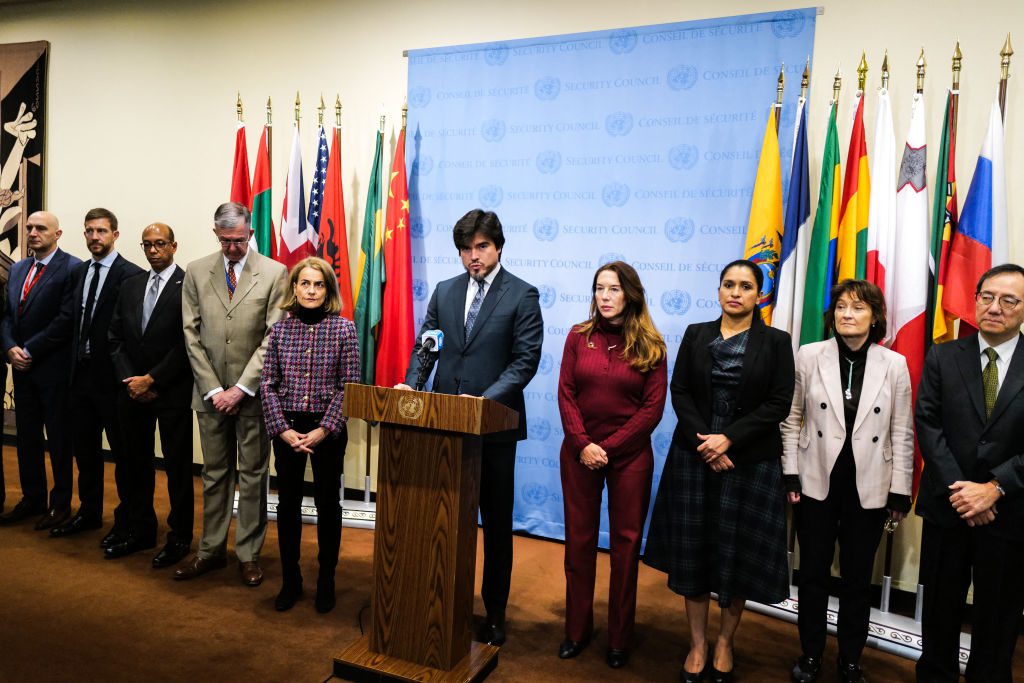
Press Release
Global: UN Doha Meeting on Afghanistan Must Mark an End to Impunity for Human Rights Abuse Under the Taliban
February 16, 2024
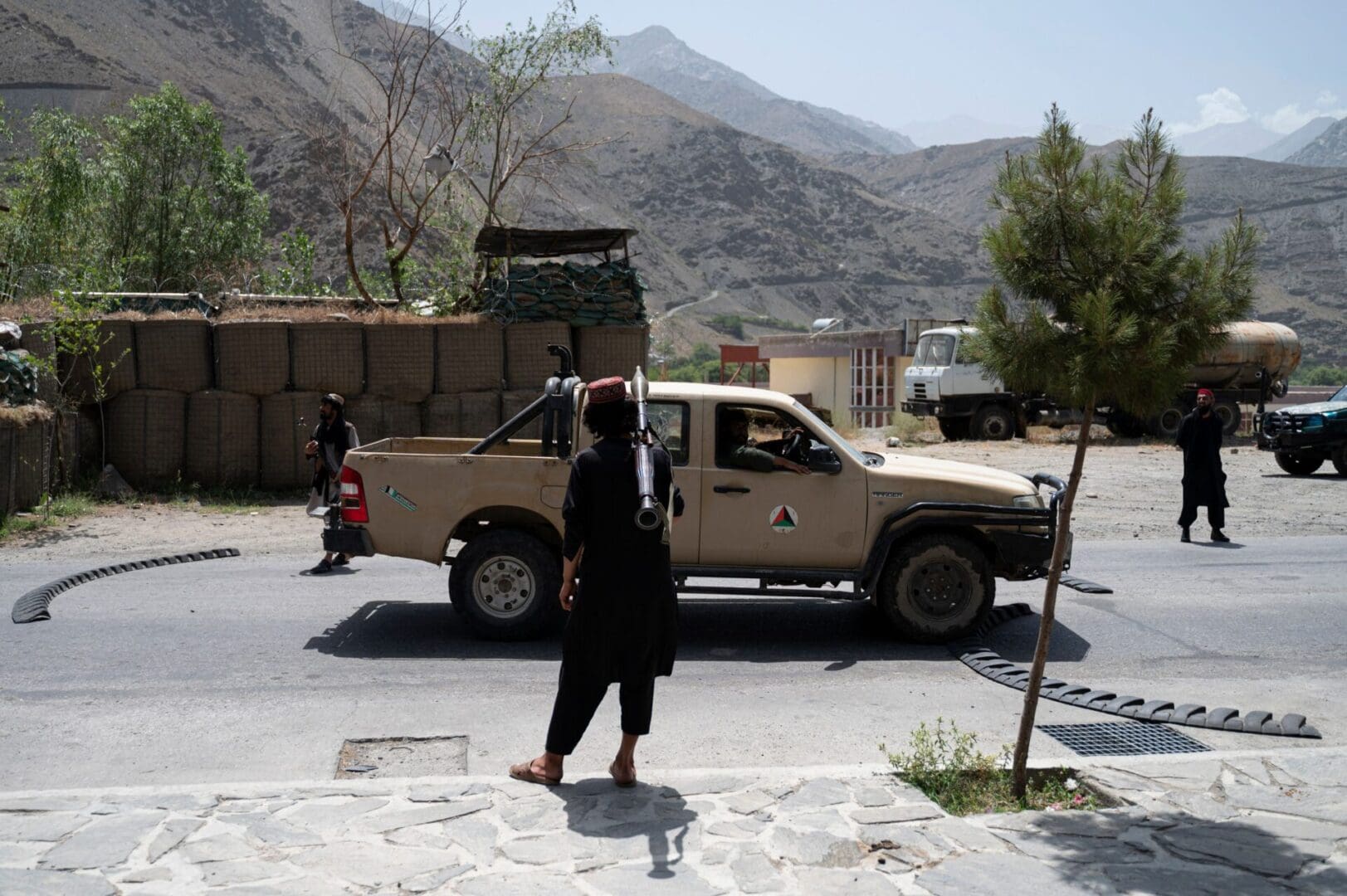
Press Release
Taliban’s cruel attacks in Panjshir province in Afghanistan amount to war crime of collective punishment – new report
June 7, 2023 – Afghanistan
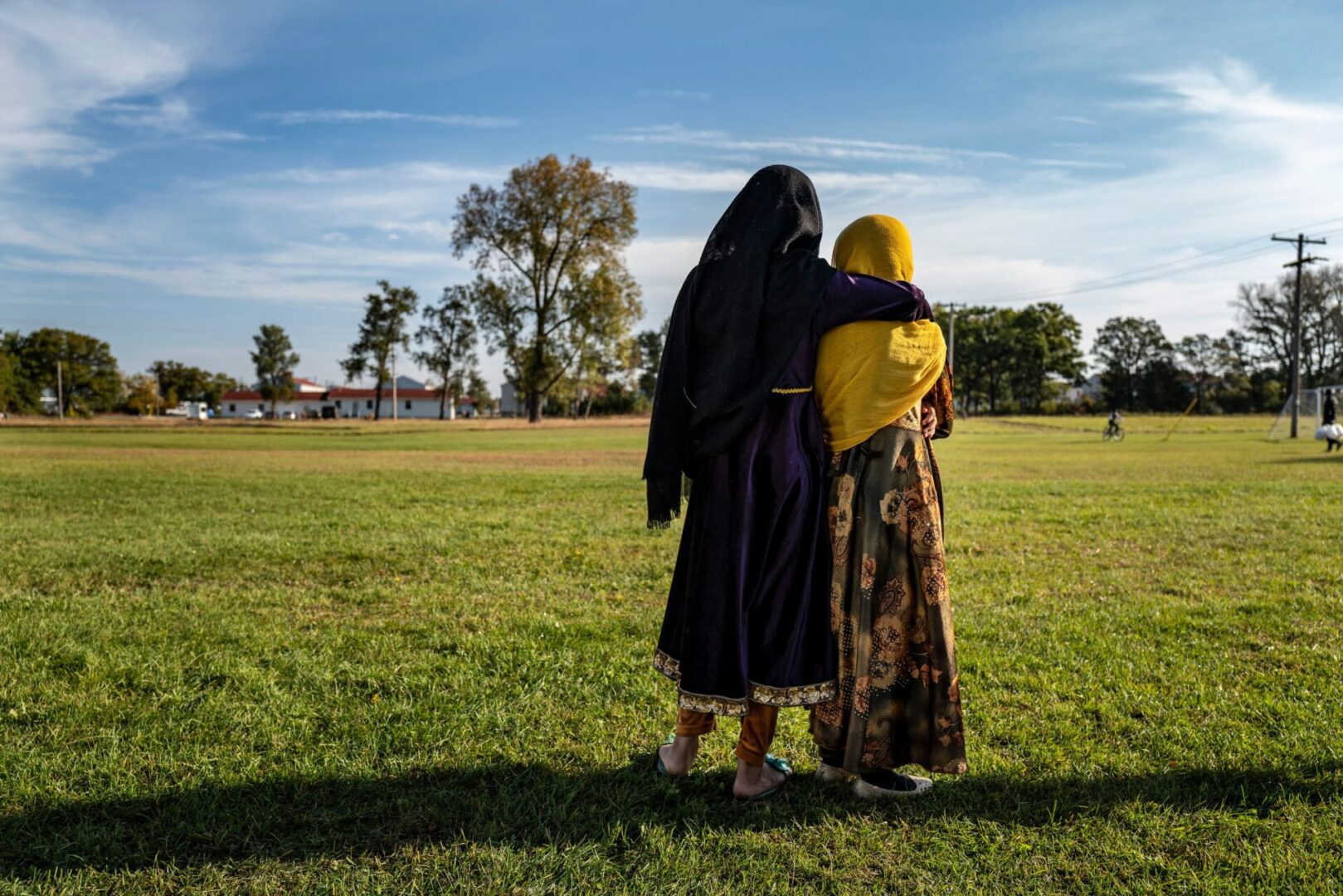
Press Release
Afghanistan: Taliban’s Treatment of Women and Girls Should Be Investigated as the Crime Against Humanity of Gender Persecution – New Report
May 25, 2023 – Afghanistan
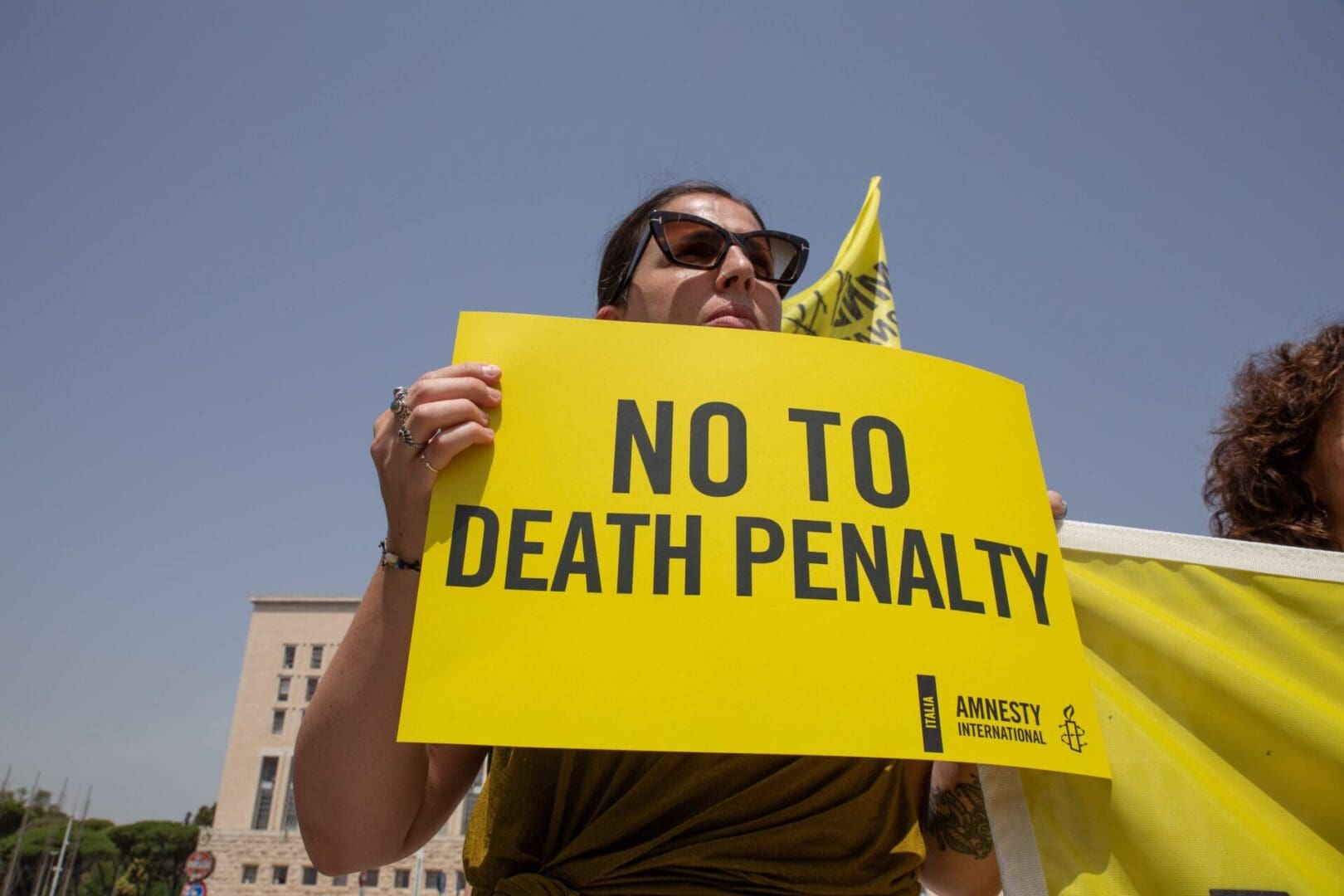
Press Release
DEATH PENALTY 2022: Recorded Executions Skyrocket to Highest Figure in Five Years
May 16, 2023 – Afghanistan
Press Release
Taliban’s ongoing ‘relentless abuses’ must be addressed at UN Human Rights Council
March 6, 2023 – abuse
Report
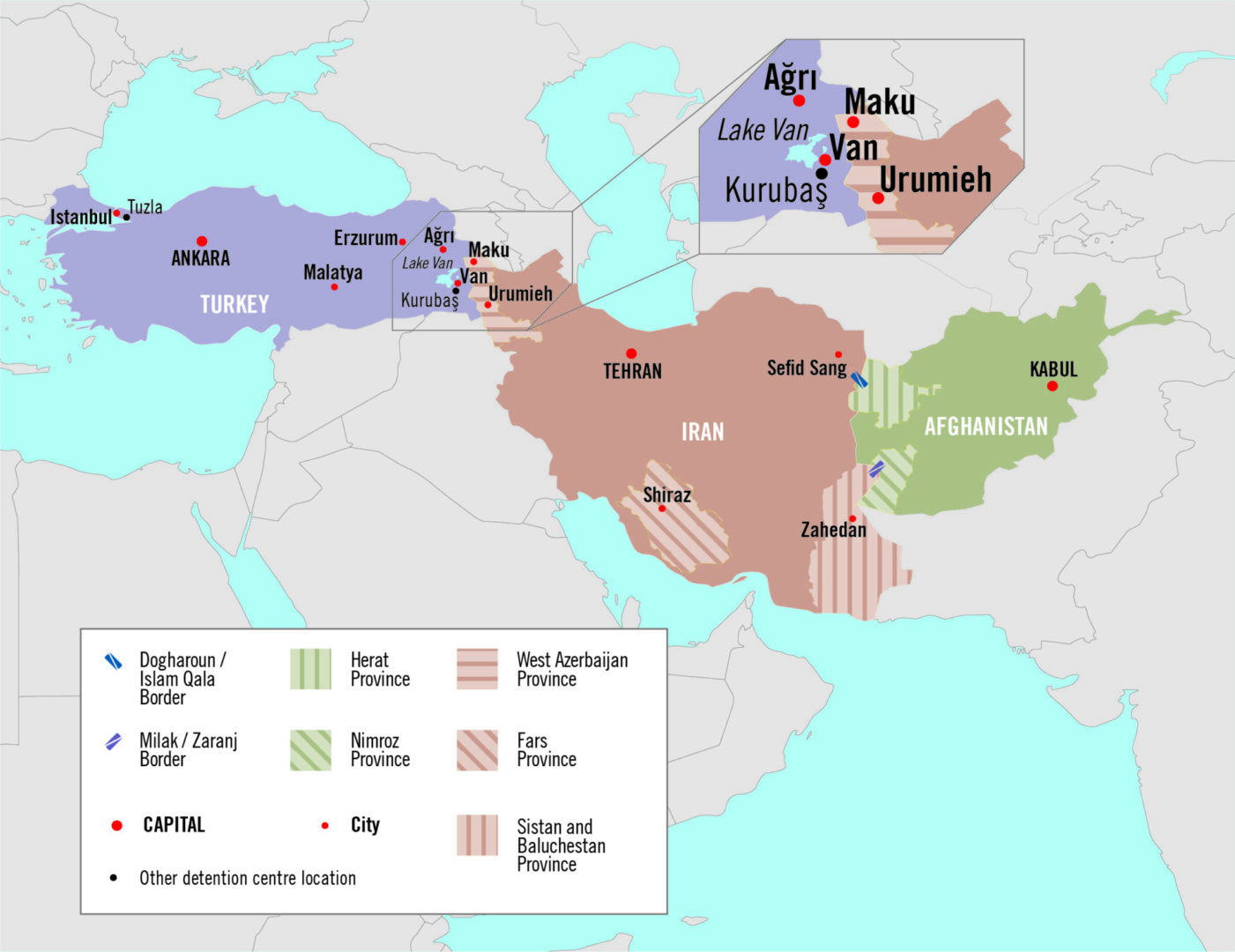
Fleeing Afghans Unlawfully Returned After Coming Under Fire at Iranian and Turkish Borders
August 30, 2022 – afghan refugees
Report
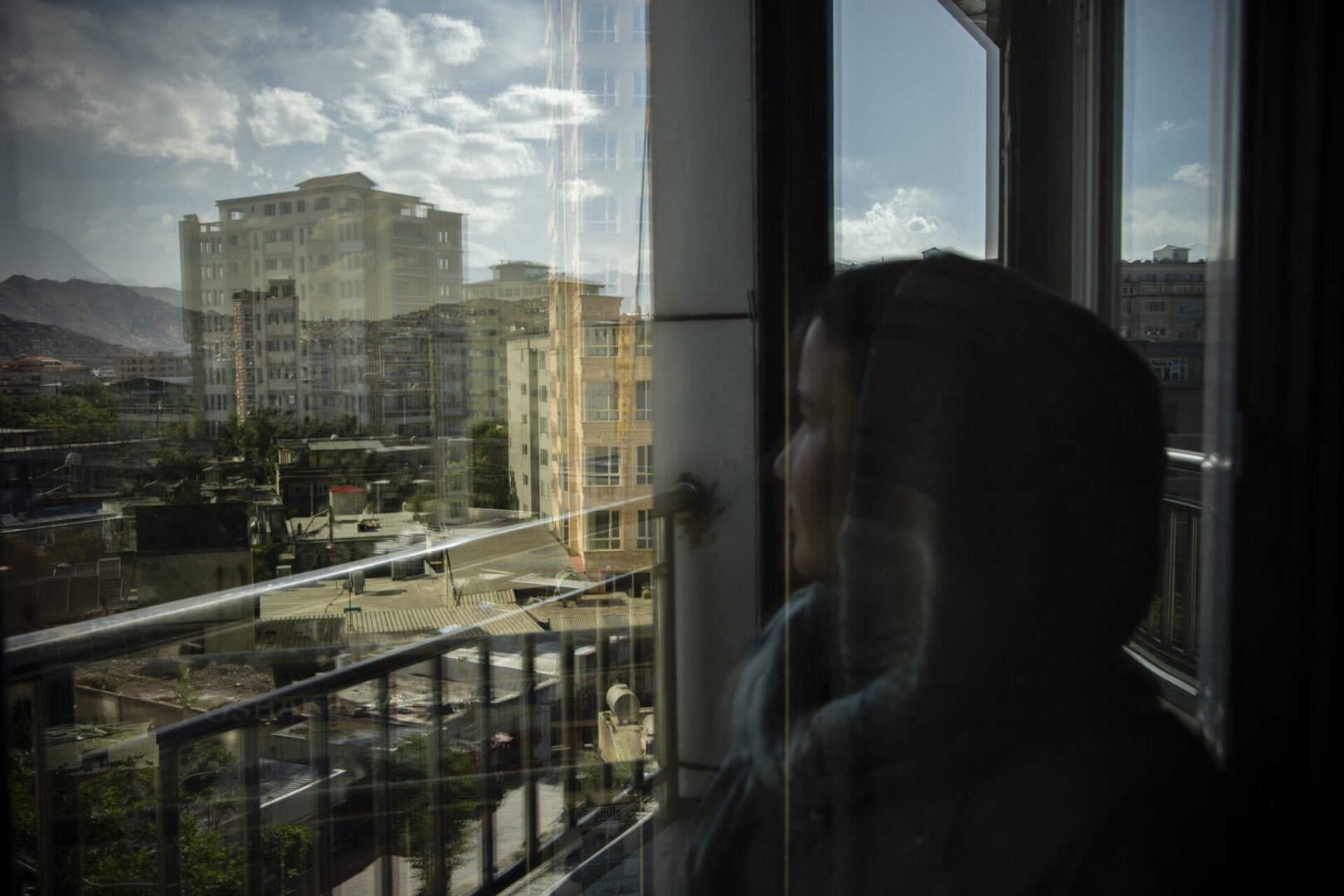
Taliban’s ‘Suffocating Crackdown’ Destroying Lives of Women and Girls in Afghanistan – New Report
July 26, 2022 – Afghanistan
Press Release
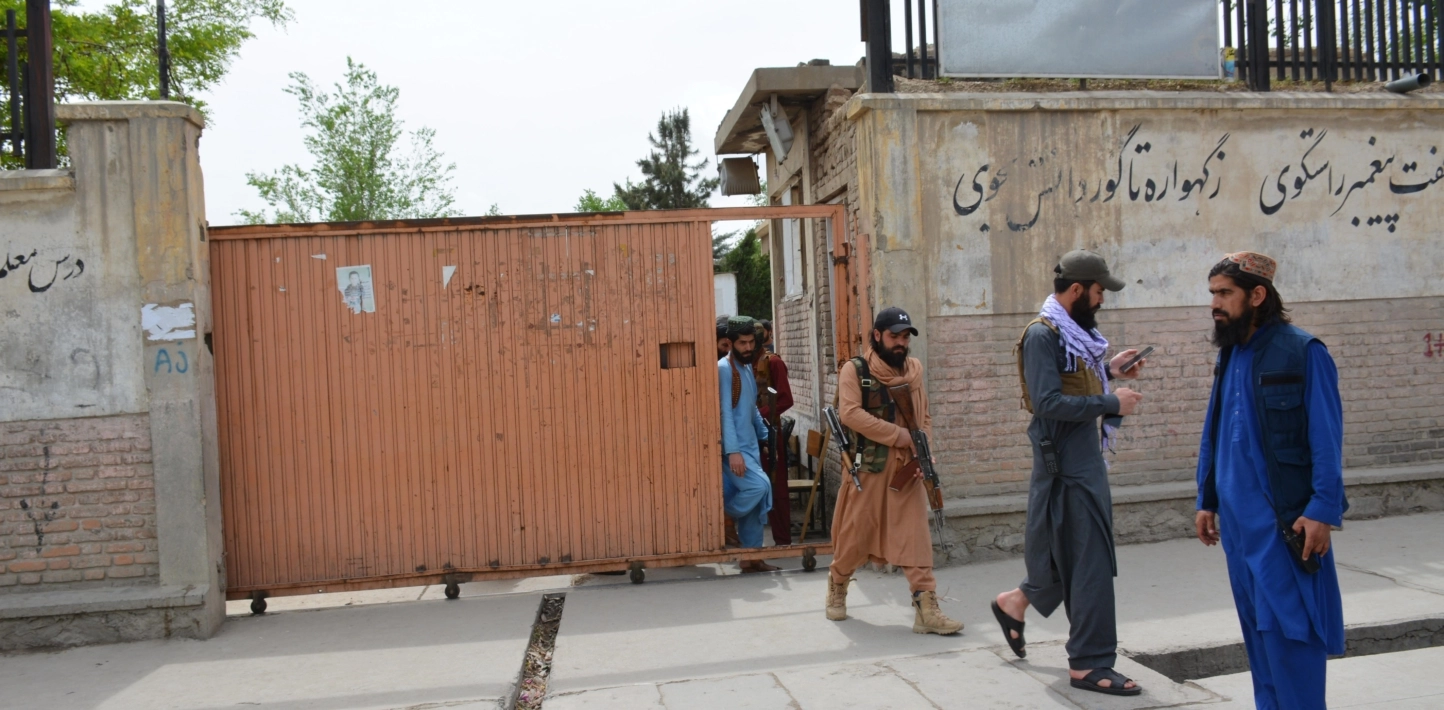
School Bombings in Afghanistan a ‘Reprehensible Attack’ on Religious and Ethnic Minorities
April 19, 2022 – Afghanistan
Press Release
Taliban’s Backtrack on School Re-Opening for Girls Irreversibly Impacts Their Future
March 28, 2022 – Afghanistan
Press Release
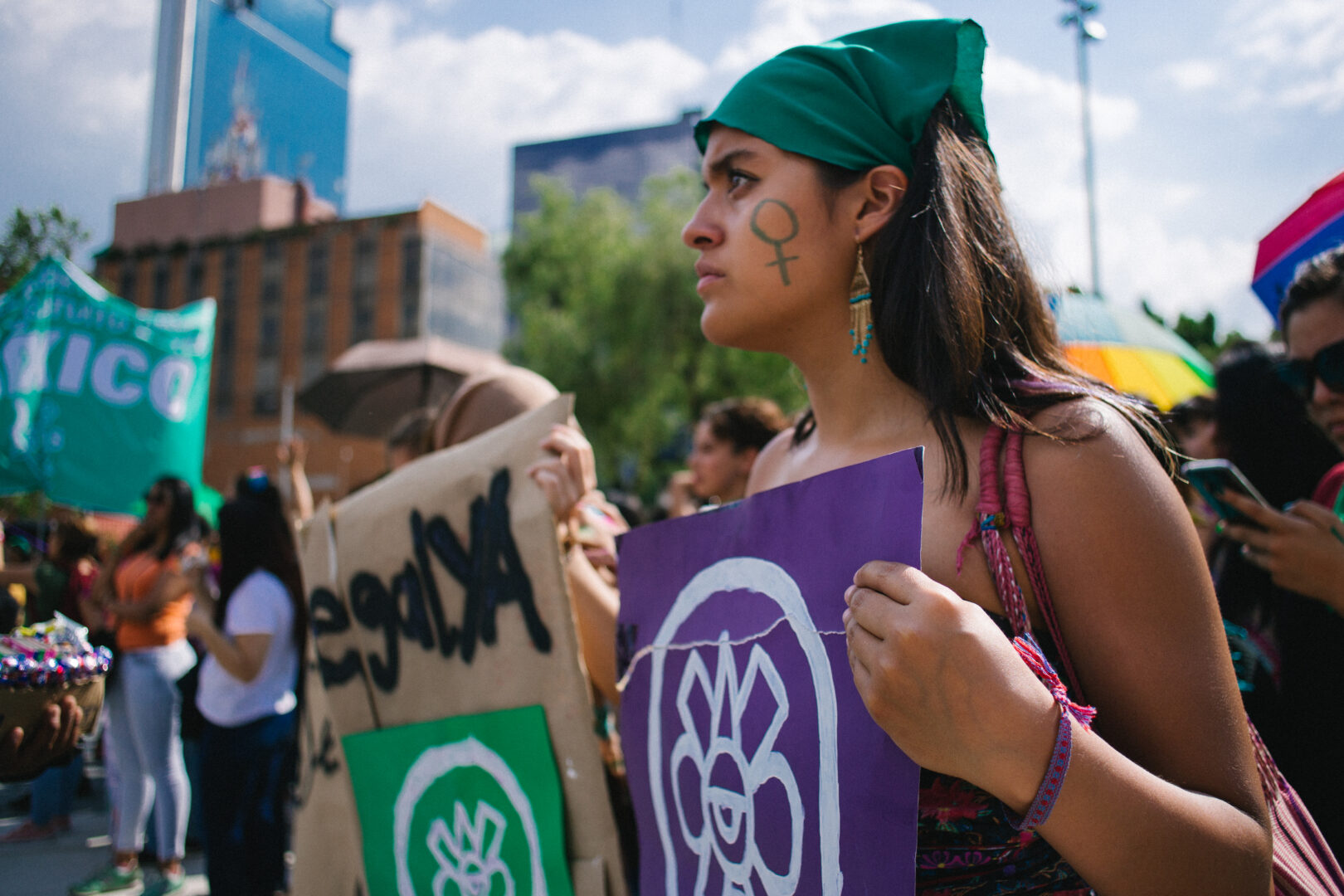
International Women’s Day: Dramatic deterioration in respect for women’s rights and gender equality must be decisively reversed
March 7, 2022 – international women’s day
Press Release
Survivors of Gender-Based Violence Abandoned Following Taliban Takeover
December 5, 2021 – gender-based violence; afghanistan; taliban; human rights abuses
Press Release
Afghanistan Must Have Access to Funds to Avoid Humanitarian Disaster
November 23, 2021 – afghanistan; humanitarian crisis; food insecurity; taliban; poverty