HUMAN RIGHTS IN MOZAMBIQUE
Read the most up-to-date and comprehensive insights regarding human rights in Mozambique. You’ll find detailed information covering its background, key issues, ongoing research, urgent actions, and latest news.
Join AIUSA’s Regional and Thematic Coordination Group Action Network
Are you interested in getting involved in AIUSA’s regional and thematic work?
The Latest
Press Release
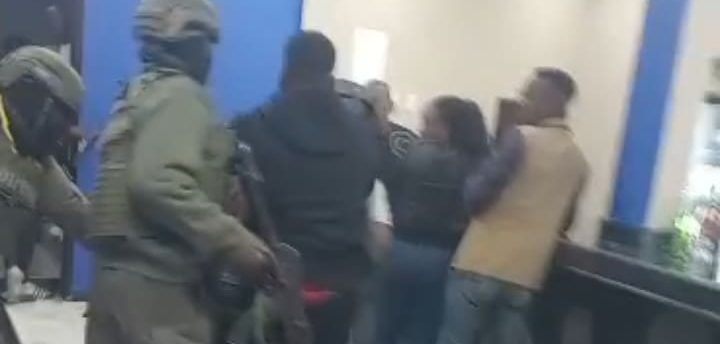
Mozambique: Authorities Must Immediately Open Investigation Into Summary Execution of Narciso Castigo Sambo
July 21, 2026

Press Release
Mozambique: Authorities Must Promptly Investigate Attempted Murder of Journalist Carlitos Cadangue
February 5, 2026
Press Release
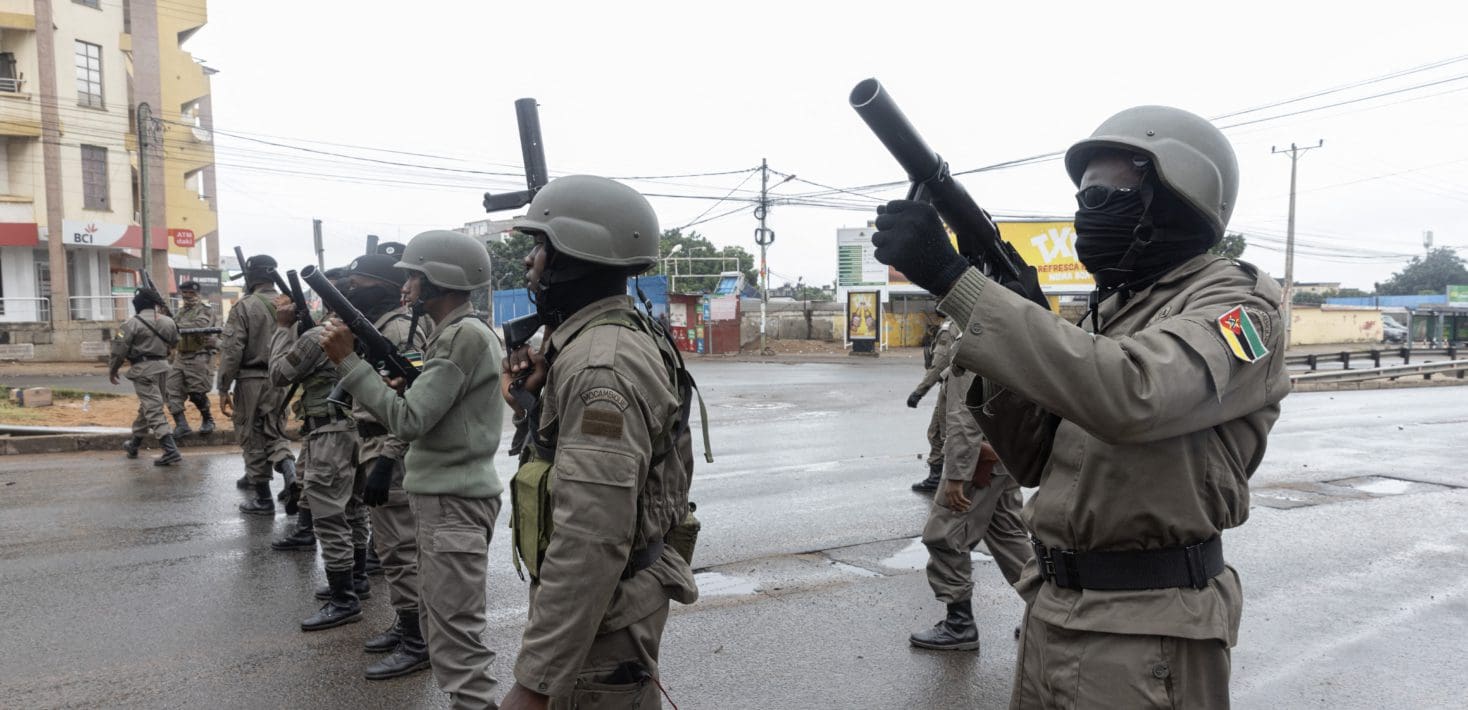
Mozambique: Authorities Must Bring Perpetrators to Justice for Reckless and Deadly Protest Crackdown
April 16, 2025
Press Release
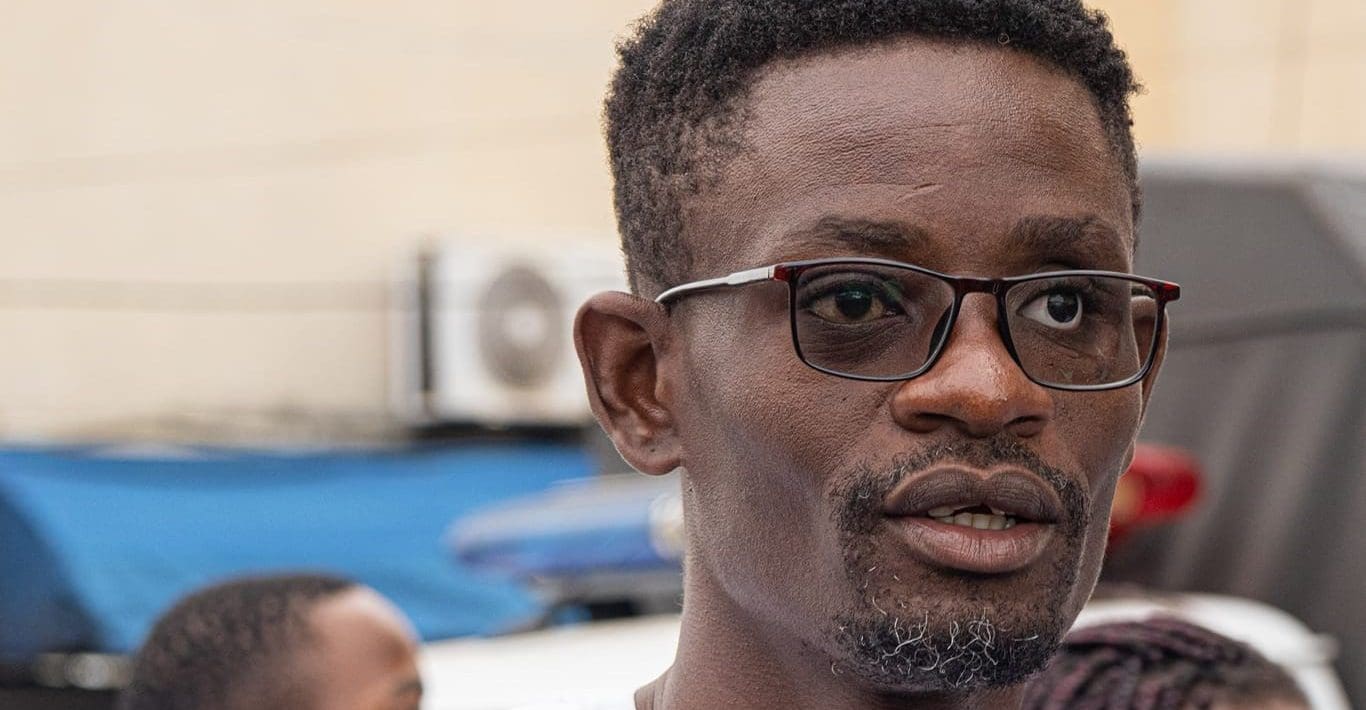
Mozambique: Two Years Without Justice for Protester Shot in the Eye with Rubber Bullet
March 17, 2025
Press Release
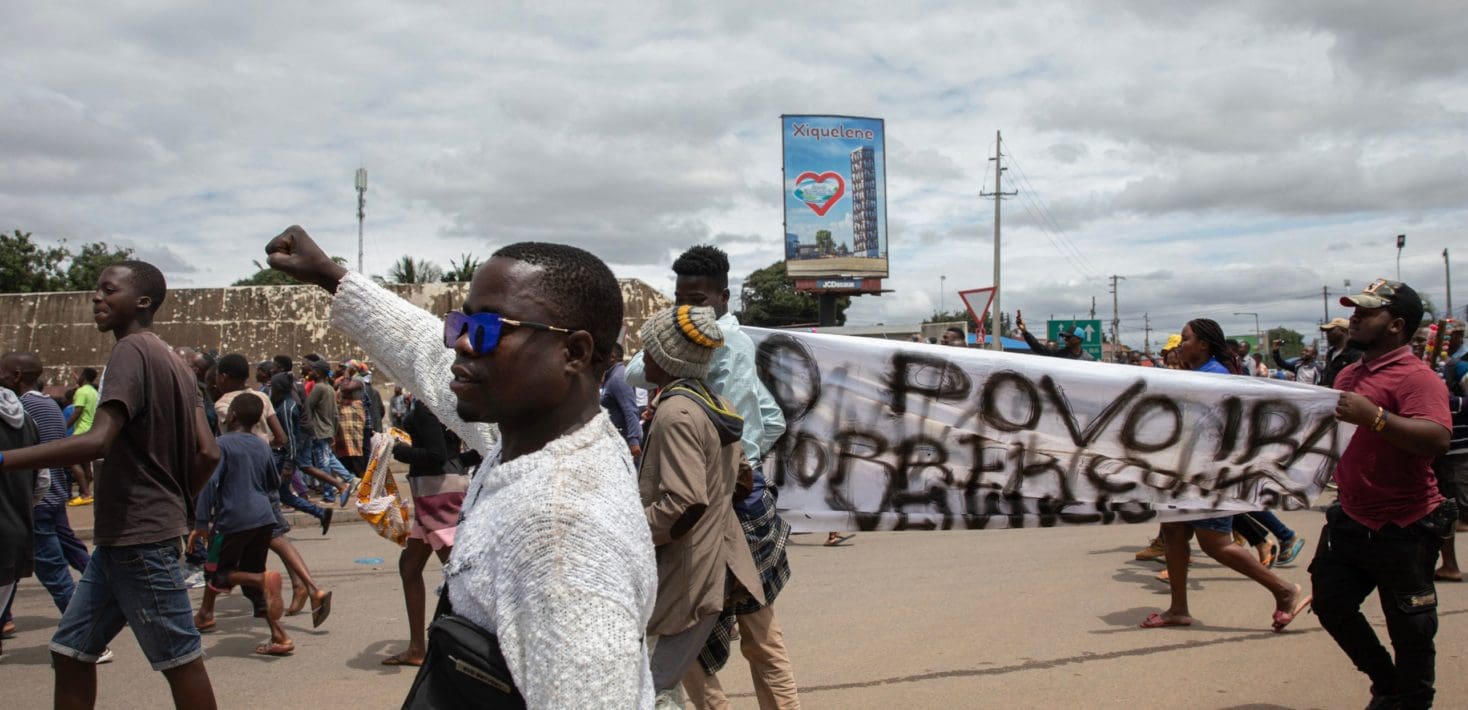
Mozambique: String of Shootings Targeting Opposition Supporters Underscores Urgent Need for Investigations
March 11, 2025
Press Release
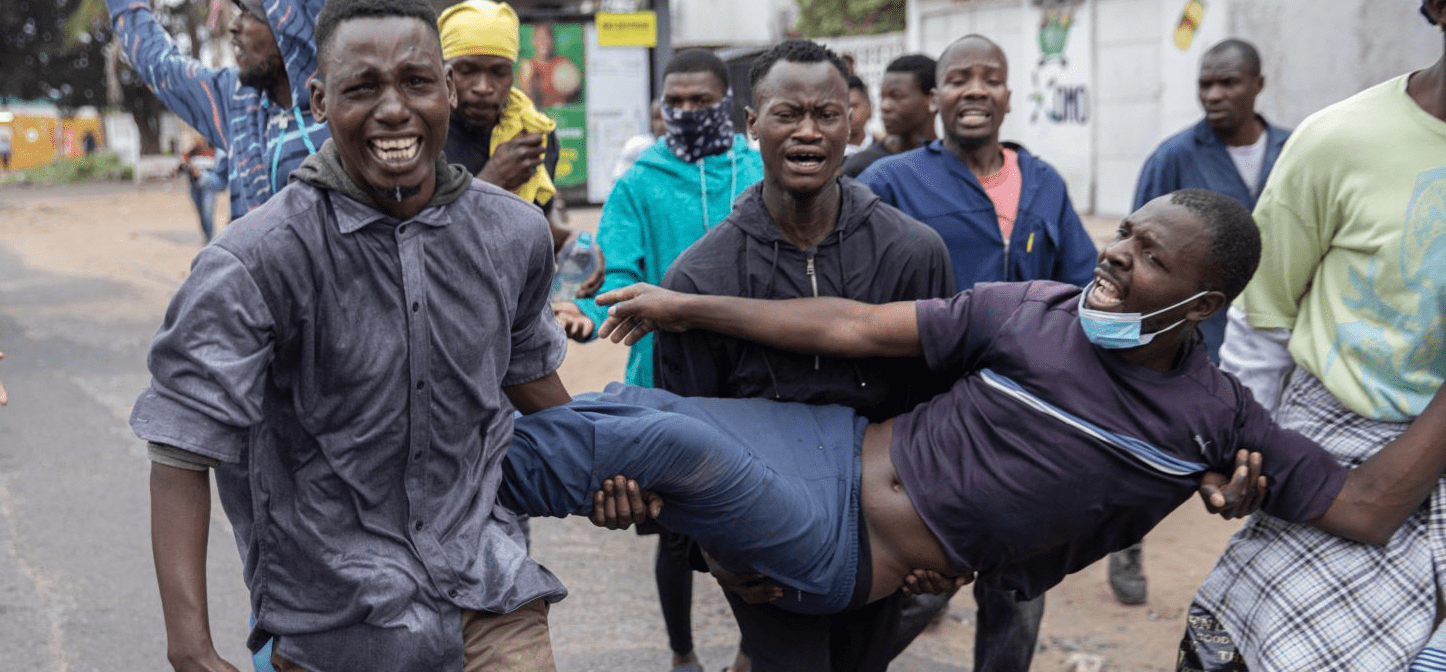
Mozambique: Authorities Must Investigate Reports of More than 300 Unlawful Killings During Post-Election Protest Crackdown
February 27, 2025
Press Release
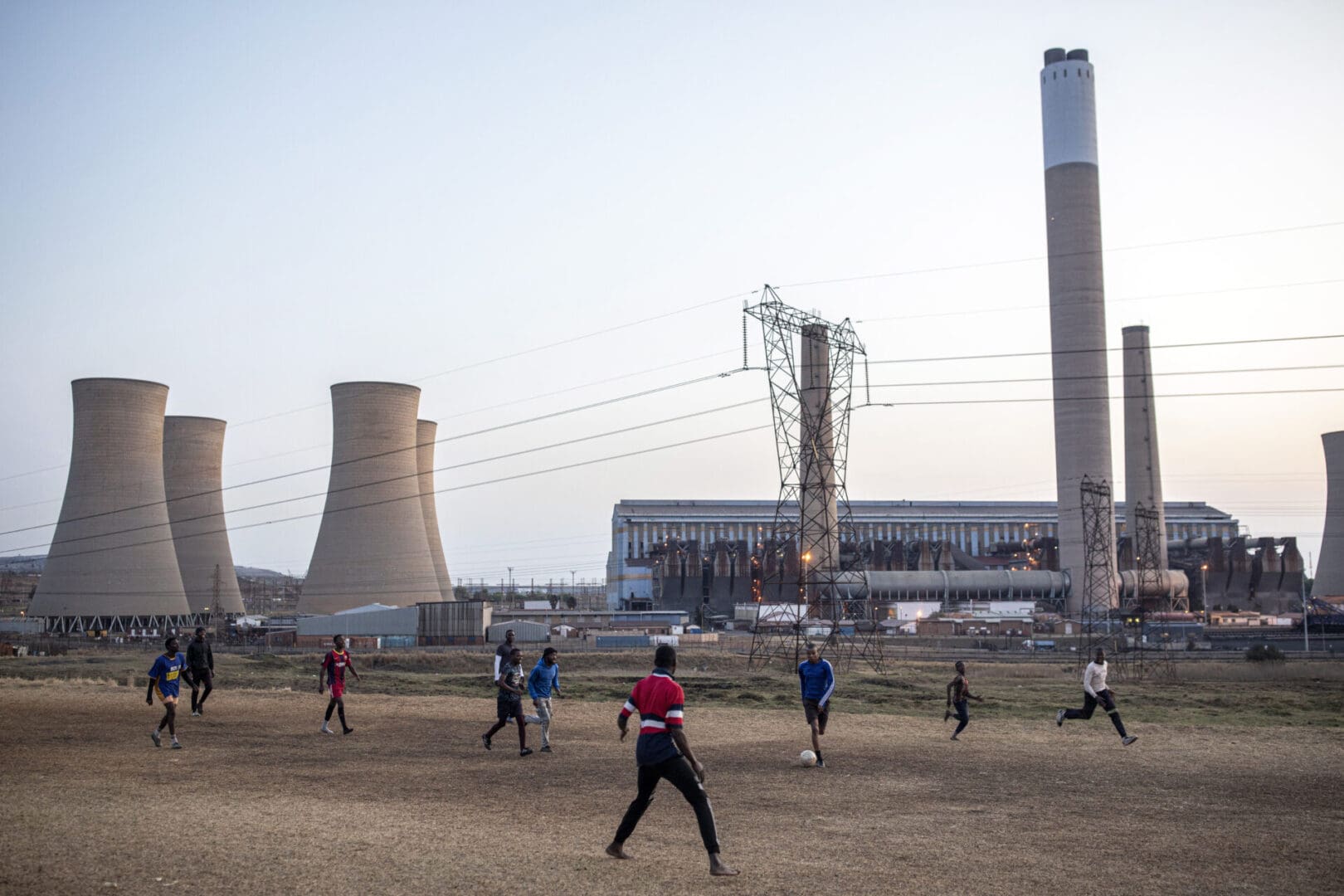
Africa: Richer Countries Must Commit To Pay At COP29 As Climate Change Forcibly Displaces Millions Across Africa
November 4, 2024 | Africa
Press Release
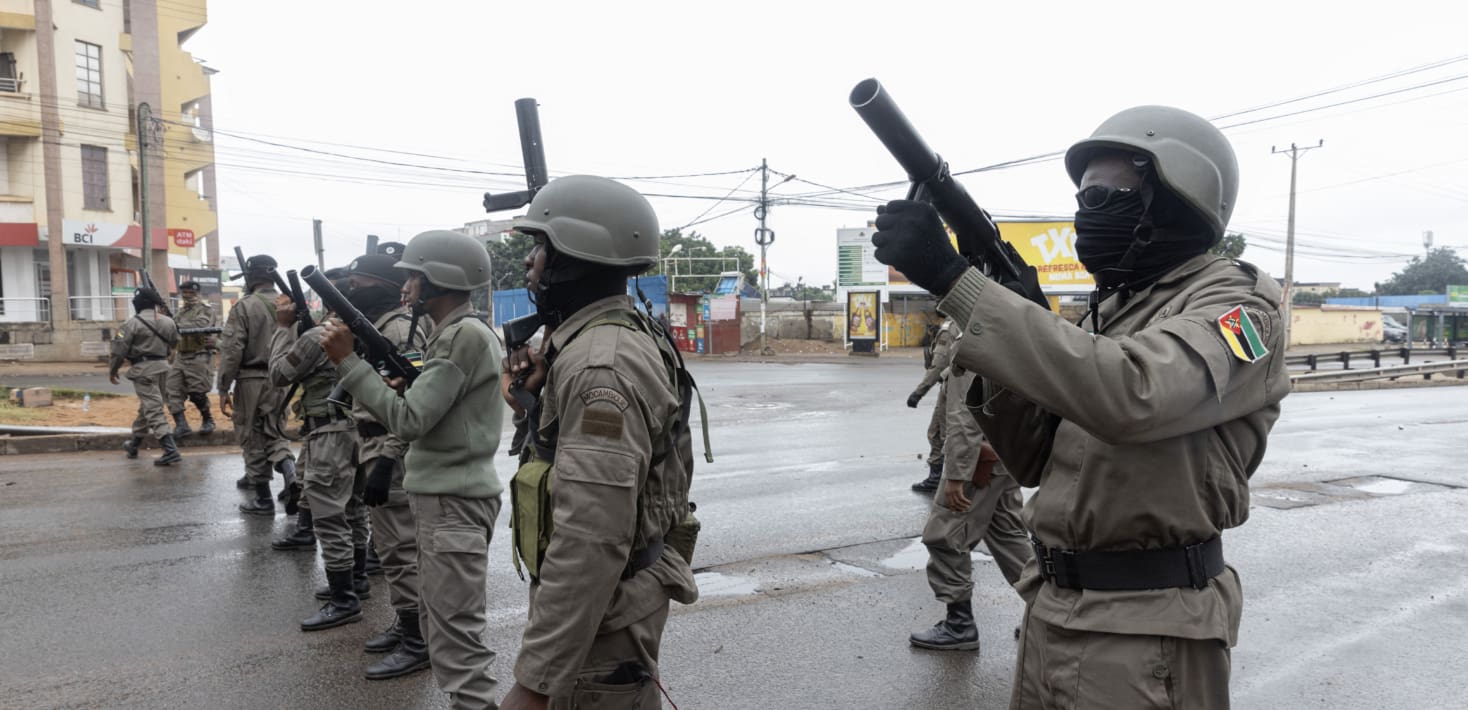
Mozambique: Authorities Must End Post-Election Assault on Protests Now
October 31, 2024 | Mozambique Human Rights
Press Release
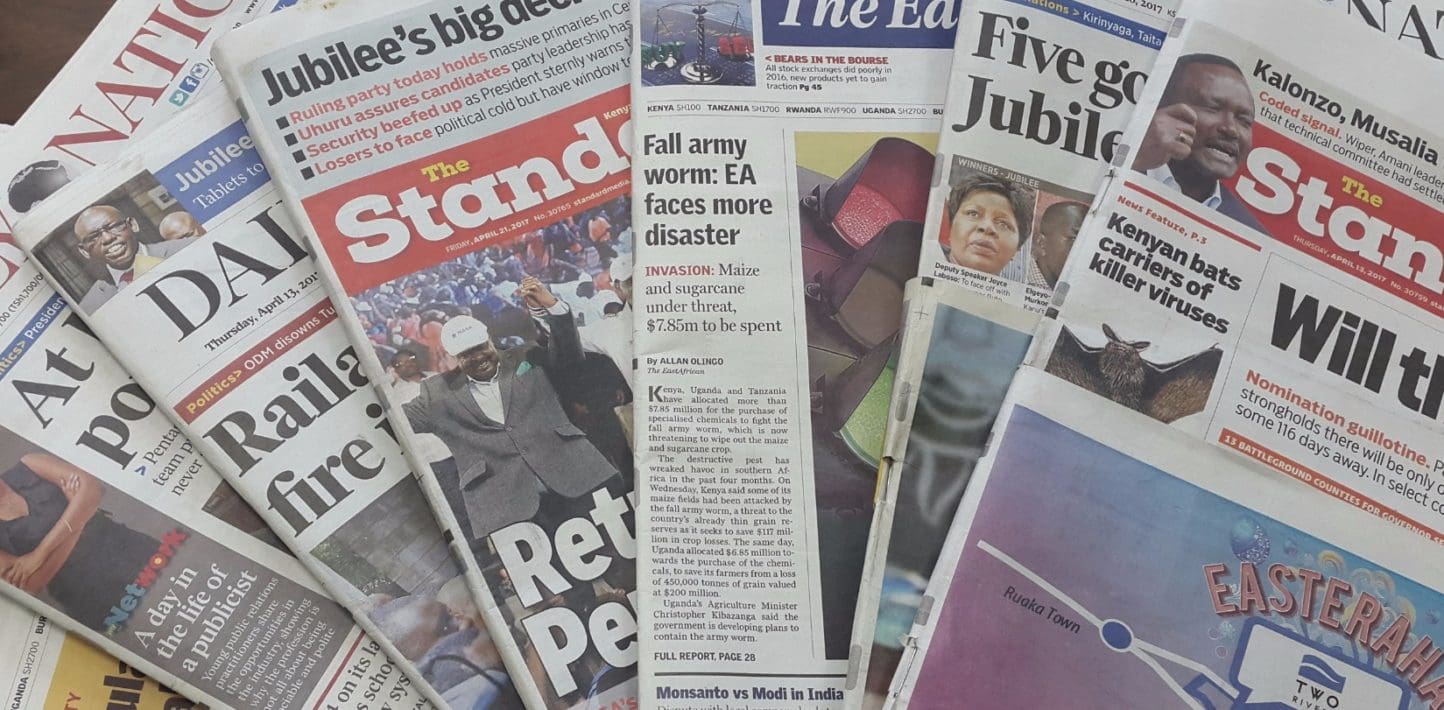
East and Southern Africa: Journalists Targeted Amid Ongoing Crackdown on Media
May 3, 2024 | africa press freedom
Press Release
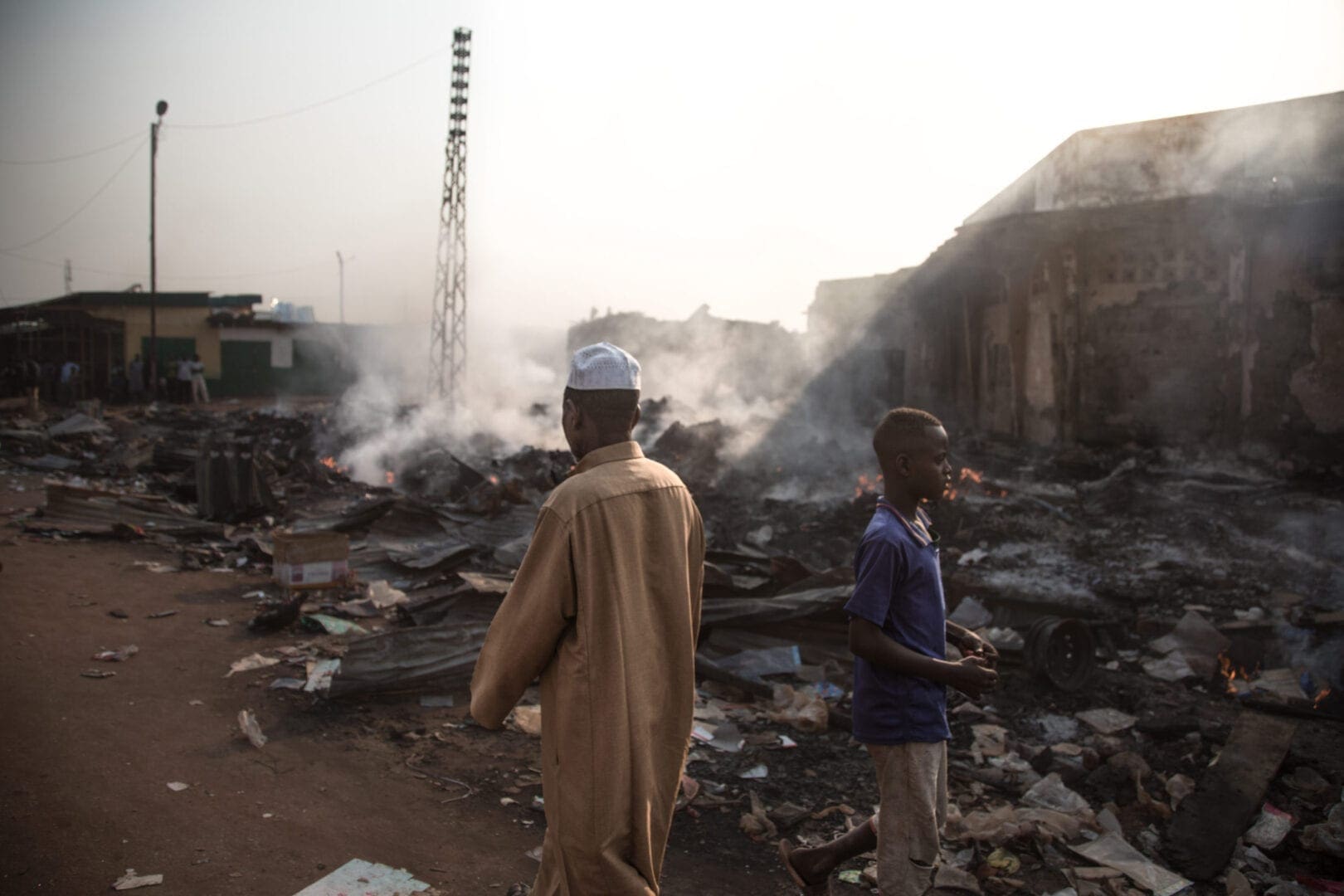
Armed conflicts and state repression in Africa fuel cocktail of human rights violations
April 7, 2020 | abuses by armed groups