|||

Human Rights in Chad

Human Rights Concerns

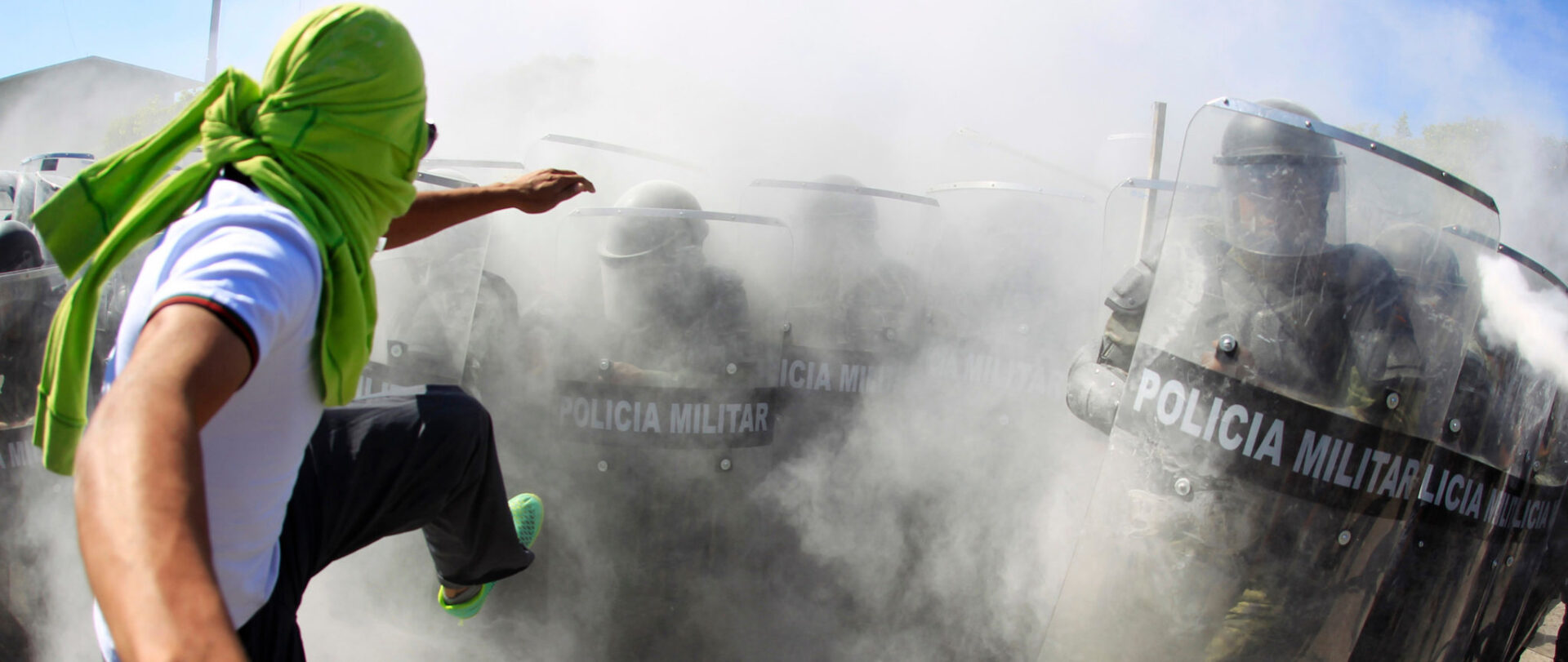
The political situation is tense, especially in eastern Chad, despite normalization of relations with Sudan and peace agreements with leaders of some of the armed opposition groups. Some of the armed groups are still active, and human rights violations are committed with almost total impunity by members of the Chadian armed forces as well. Civilians and humanitarian workers have been killed and abducted; women and girls are victims of rape and other violence; and children can be recruited as soldiers or abducted for ransom. On the home political front, opposition parliamentarians, journalists, university activists and human rights defenders face harassment and intimidation, and often arbitrary arrest, detention, torture, forced disappearance or even extrajudicial execution. The Chadian armed forces, presidential guard and national security agency (ANS) arrest and detain people without charge or trial. People are detained in secret detention facilities where visits by family and lawyers are not allowed, and where torture and forced labor are routine. Calls for independent investigations into allegations of abuse on the part of government security are ignored, and severe human rights abuses by the government continue with impunity.

Human Rights in Chad

Human Rights Concerns

The political situation is tense, especially in eastern Chad, despite normalization of relations with Sudan and peace agreements with leaders of some of the armed opposition groups. Some of the armed groups are still active, and human rights violations are committed with almost total impunity by members of the Chadian armed forces as well. Civilians and humanitarian workers have been killed and abducted; women and girls are victims of rape and other violence; and children can be recruited as soldiers or abducted for ransom. On the home political front, opposition parliamentarians, journalists, university activists and human rights defenders face harassment and intimidation, and often arbitrary arrest, detention, torture, forced disappearance or even extrajudicial execution. The Chadian armed forces, presidential guard and national security agency (ANS) arrest and detain people without charge or trial. People are detained in secret detention facilities where visits by family and lawyers are not allowed, and where torture and forced labor are routine. Calls for independent investigations into allegations of abuse on the part of government security are ignored, and severe human rights abuses by the government continue with impunity.

Refoulement of Refugees in Eastern Chad/Darfur

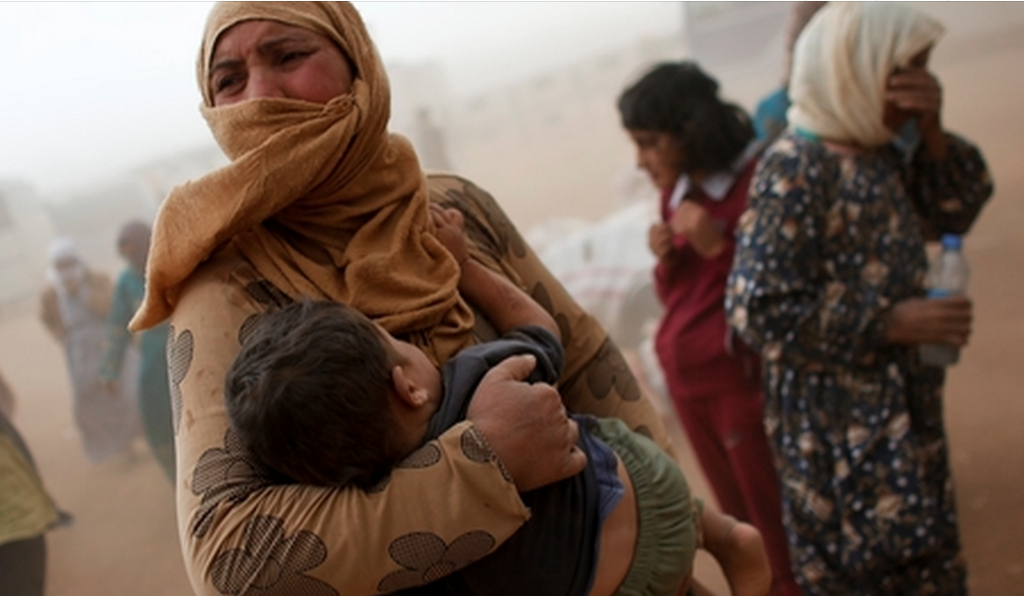
Under the terms of the current treaty, Sudan and Chad have promised not to harbor one another's opposition forces, and are now supposed to be protecting refugees and internally displaced persons on both side of the border with Darfur. In eastern Chad more than 262,000 Sudanese refugees from Darfur have been living in 12 refugee camps and around 180,000 internally displaced persons (IDPs) in 38 IDP sites. The IDPs are refugees from Chad's own recent internal conflicts. Refugees continue to come to Chad, reporting fighting in Darfur, while Sudan and Chad have begun the process of returning the refugees and IDPs to their home villages, with no guarantees for their safety. Continued fighting, the proliferation of small arms, and the lack of basic services such as water, health and education make IDPs reluctant to return to their homes. Human rights abuses persist in the camps as well, including rape of girls and women, recruitment of children, kidnapping of humanitarian personnel and killings of civilians. Tensions between Chad's often ethnically-based political alliances threaten to destabilize the region further.

Domestic Human Rights Abuses, Including Forced Disappearances

Journalists face intimidation and harassment by government officials. In August 2010 Chad passed a new law that introduces prison sentences of one to two years, fines, and a ban on publication for up to three months for "inciting racial, ethnic or religious hatred and condoning violence". Opposition parliamentarians like Dr. Ibni Oumar Mahamat Saleh, journalists, university activists and human rights defenders face harassment and intimidation, and often arbitrary arrest, detention, torture, forced disappearance or even extrajudicial execution. Amnesty International calls on the Chadian authorities to conduct prompt, thorough and impartial investigations into all cases of enforced disappearance and allegations of torture, and to ensure that those responsible are brought to justice in proceedings which meet international fair trial standards.

Forced Evictions

Forced evictions and demolitions continue in various areas of N'Djamena, although some of the major abuses of this kind have been halted due to international publicity and pressure. Evictions have been accompanied by violence, and conducted without due process, adequate notice, or consultation. During the past four years, tens of thousands in Chad's capital N'Djamena have been left homeless after being evicted by force and having had their homes demolished by the government. Many of the victims have had to live in the ruins of their former houses, or have fled into exile. Many Chadian exiles who are already living in refugee camps in other countries, some of whom are government critics and political opposition members, have since had their homes demolished, and have no homes to which they can return.

Child Soldiers

Children as young as 10 have been recruited into armed groups as porters and messengers, and some between 13 and 17 have been recruited and used in combat roles by government forces as well. Recruitment has largely occurred in IDP camps. A demobilization and reintegration program launched by the Chadian government with this assistance of UNICEF has had some success, although it has been hampered by a lack of government support until recently. Although Amnesty International welcomes Chad's signature of the June 15, 2011 United Nations Action Plan to end the recruitment and the use of child soldiers, past efforts of this kind have been hindered by inefficiency and a lack of both political will and engagement with the international and local groups who help these children. To date, there have been no prosecutions of members of the Chadian national army and armed opposition groups for using child combatants. In January 2011, Chadian President Idriss Déby Itno ordered an amnesty for crimes committed by members of the armed opposition, effectively perpetuating impunity for the human rights abuses against children used in hostilities.

Amnesty International was dismayed to learn that President Barack Obama authorized a "national interest" waiver for the Republic of Chad for the United States Child Soldiers Prevention Act, even as Chad's national army and other security forces continued to recruit underage combatants and hinder their rehabilitation. The United States Child Soldiers Prevention Act, signed by President Obama in January 2009, specifically prohibits US military aid to countries which use child soldiers. According to reports by Amnesty International, the government of Chad was identified by the US Department of State as a country that recruits children into its armed forces.

Other Human Rights Concerns in Chad

Extradition of Former President Habre

Chad-Cameroon Pipeline

Get Involved
Chad Human Rights Updates
Blog
President Obama can follow through on his rhetoric and lead the U.S. in doing our part to protect the most basic rights of children by supporting ratification of the Arms Trade Treaty.
News
Scores of parliamentarians, journalists, army officers and civilians have been arrested in Chad since the beginning of the month and many are being held without charged.
Report

Prison conditions in Chad are deplorable. Men, women and children share overcrowded cells and often must supply their own food and medicine. Amnesty International is calling for urgent prison refor...

Related Issues and Campaigns