
HUMAN RIGHTS IN ANGOLA
Read the most up-to-date and comprehensive insights regarding human rights in Angola. You’ll find detailed information covering its background, key issues, ongoing research, urgent actions, and latest news.
Join AIUSA’s Regional and Thematic Coordination Group Action Network
Are you interested in getting involved in AIUSA’s regional and thematic work?
The Latest
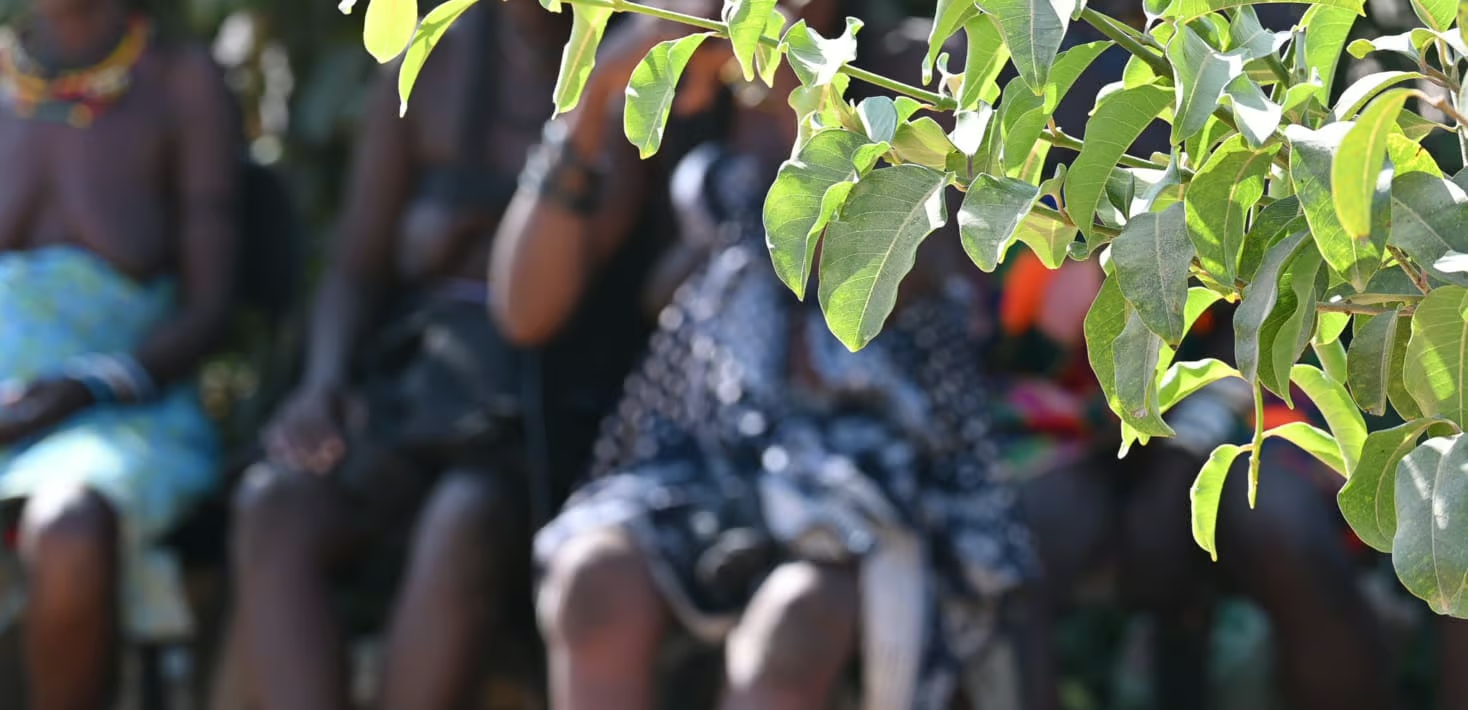
Press Release
Namibia: Drought Displaced Angolans Face Human Rights Abuses
September 2, 2026
Press Release
Angola: Authorities Must Release Arbitrarily Detained Activist General Nila
April 2, 2026
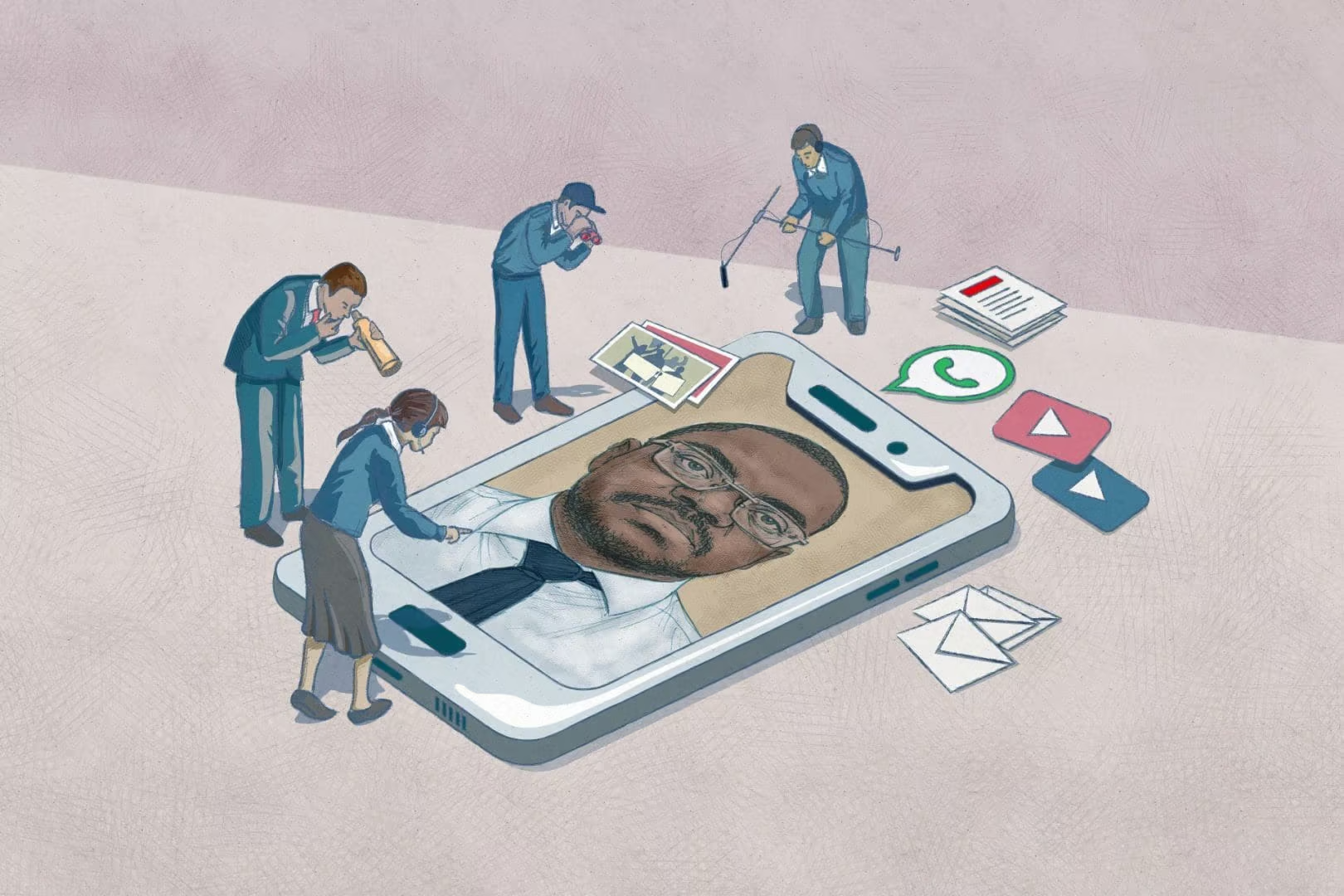
Press Release
Angola: Prominent Journalist Hacked with Predator Spyware
February 17, 2026
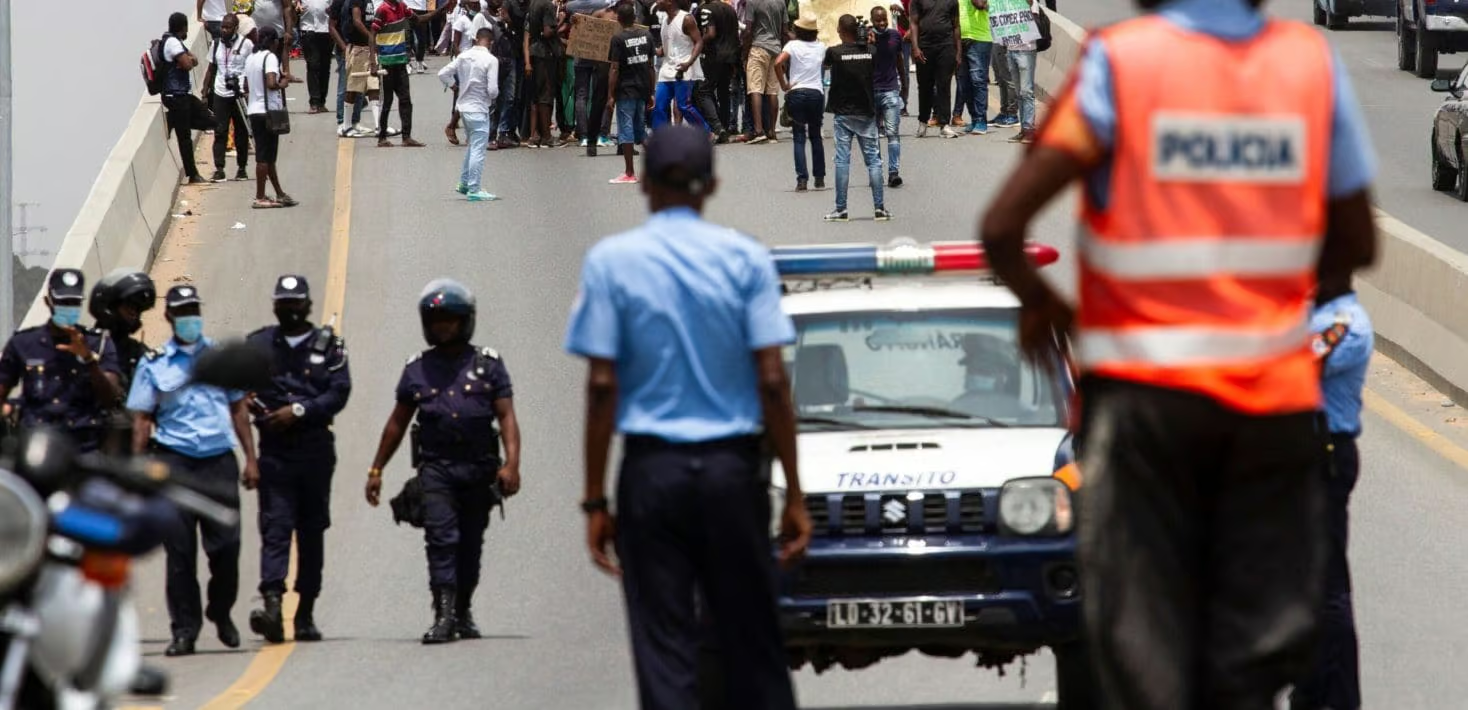
Press Release
Angola: No Accountability Five Years After Protestor Killing
November 11, 2025
Press Release
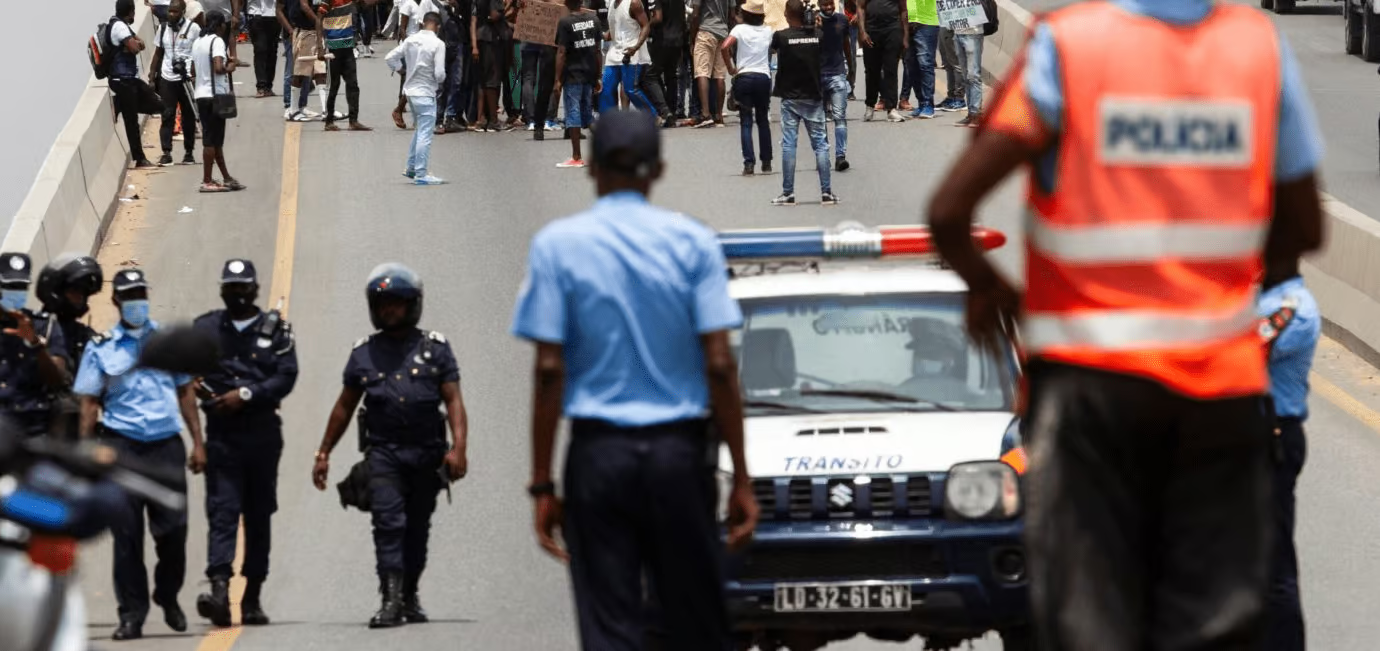
Angola: Authorities Must Investigate Allegations of Unlawful Use of Force that Killed 22 People During Strike
August 1, 2025
Press Release
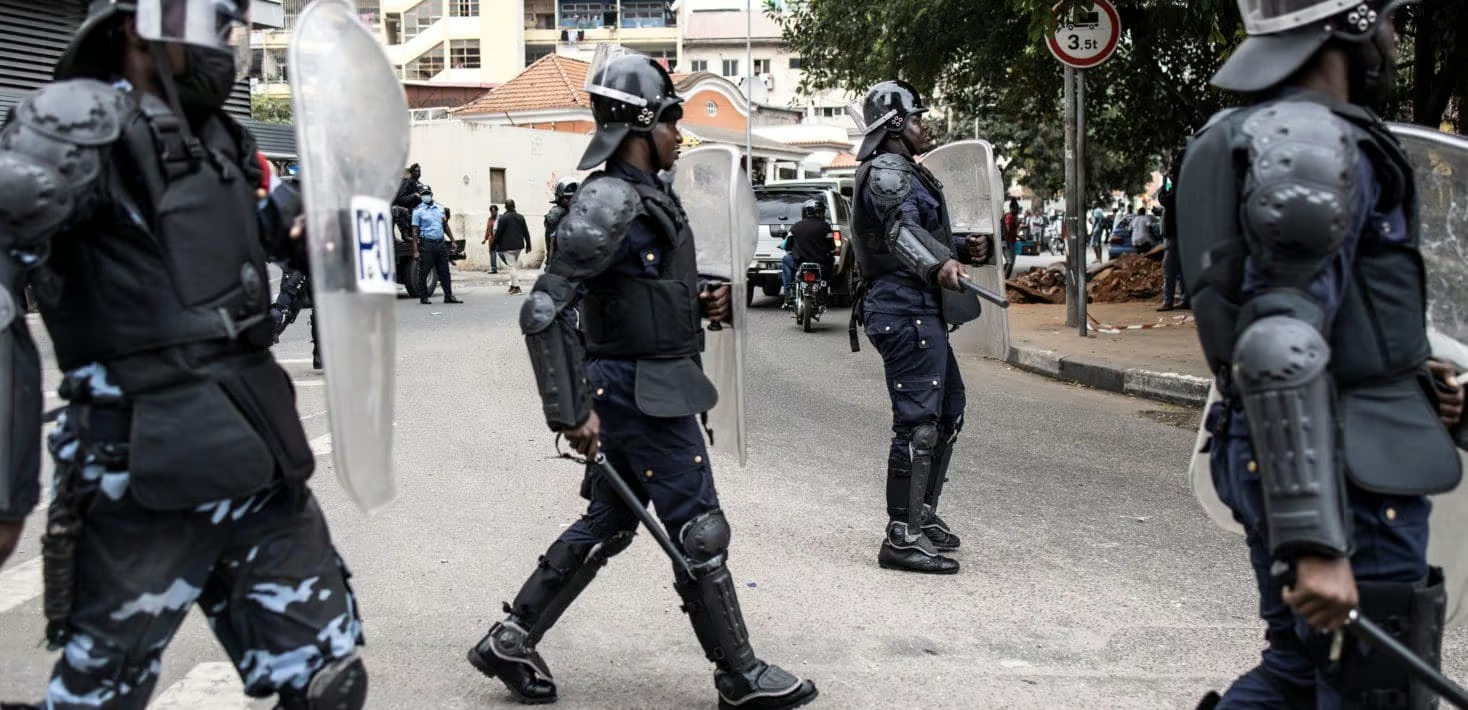
Angola: Authorities Must Respect and Ensure the Right to Freedom of Peaceful Assembly
July 17, 2025
Press Release
Angola: Five Government Critics Released After More Than A Year Of Arbitrary Imprisonment
January 7, 2025 | Angola
Press Release
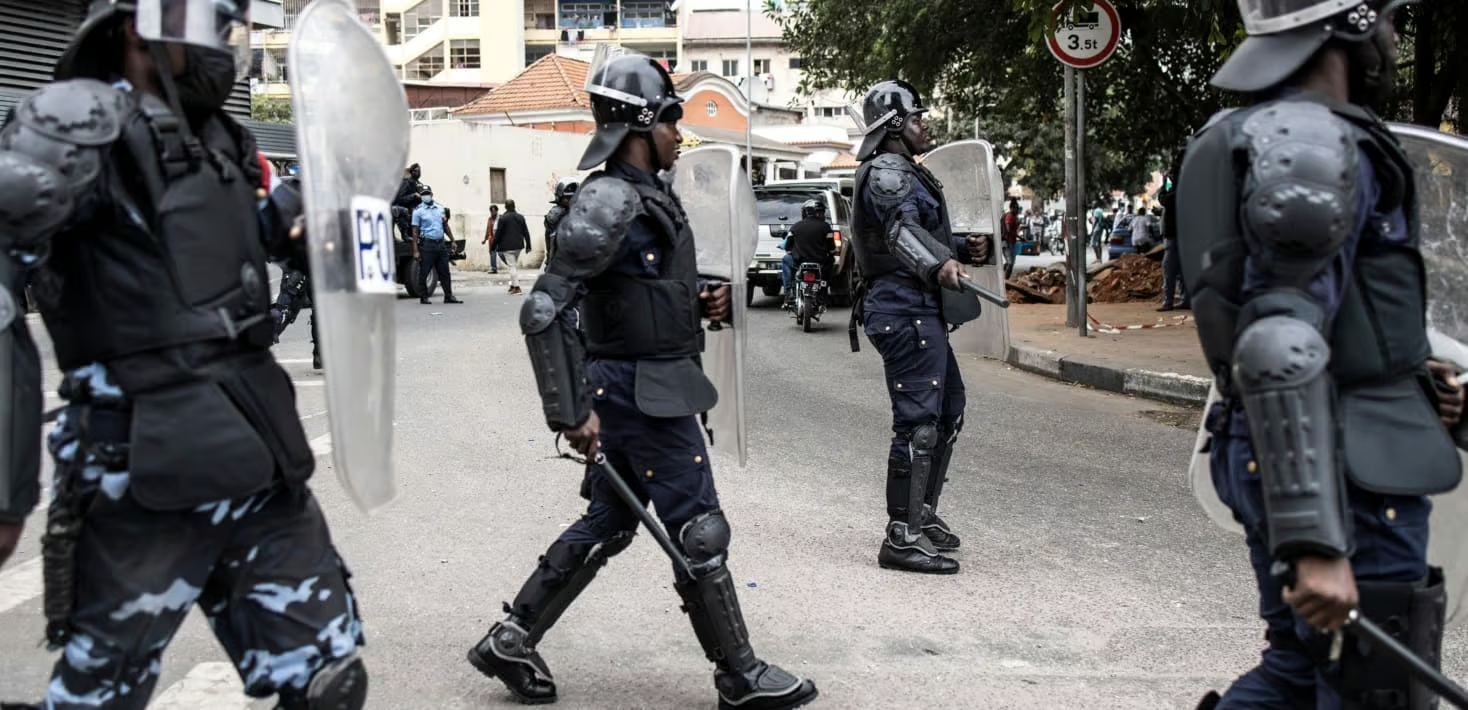
Angola: No Justice For Years Of Police Violence That Left People Dead, Wounded And Traumatized
November 27, 2024 | Angola
Press Release
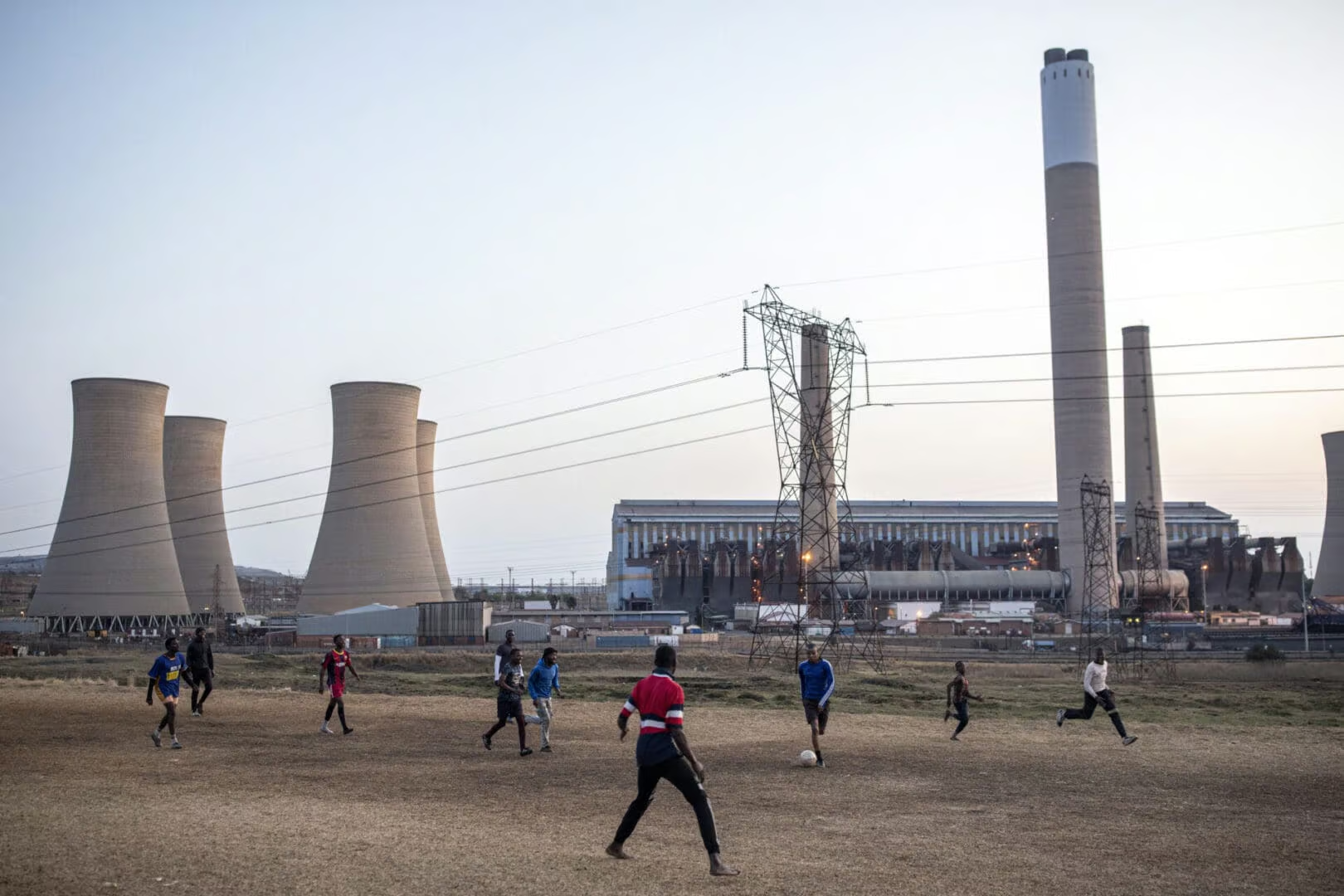
Africa: Richer Countries Must Commit To Pay At COP29 As Climate Change Forcibly Displaces Millions Across Africa
November 4, 2024 | Africa

Blog
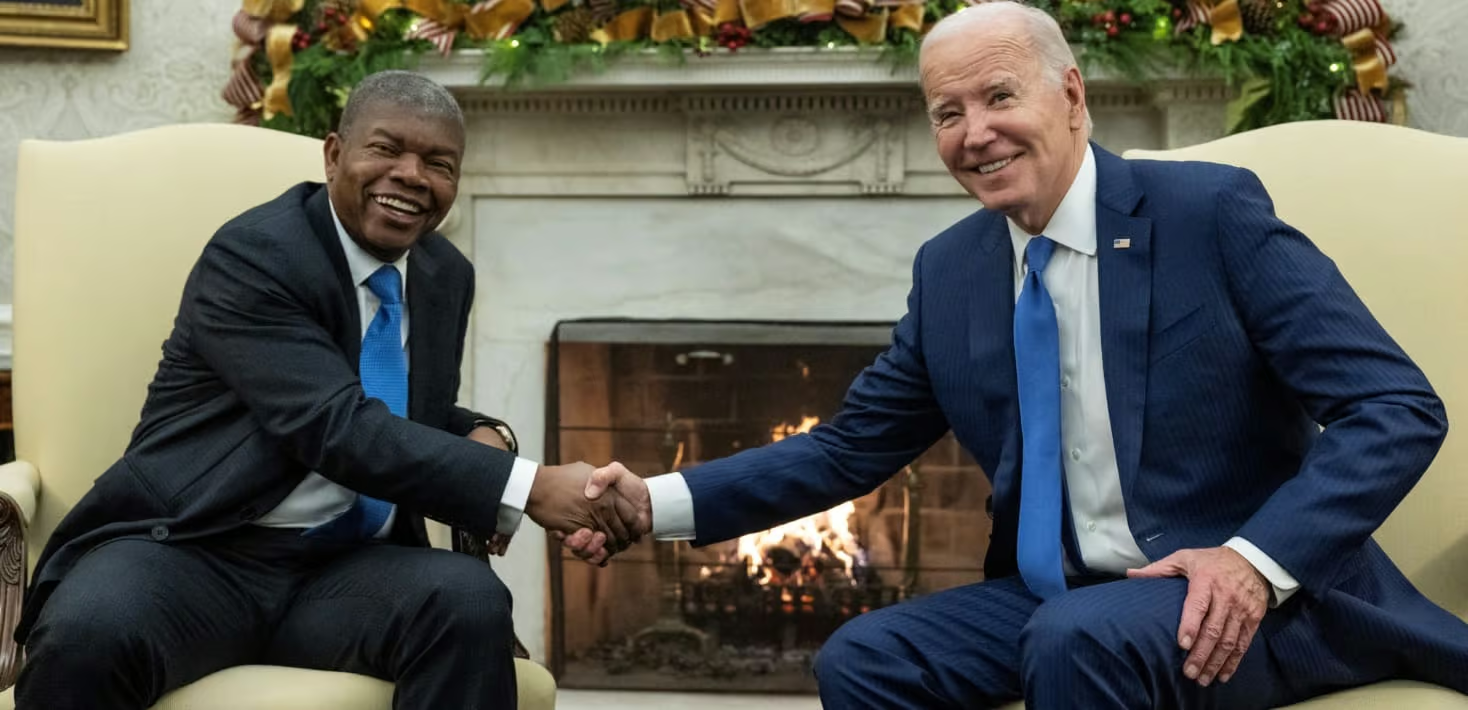
Amnesty Writes to Presidents Biden and Lourenço to Advocate for Human Rights in Angola Visit
October 30, 2024
Press Release
Angola: President Biden Must Demand Immediate Release of Five Arbitrarily Detained Government Critics
October 8, 2024 | Angola
Blog
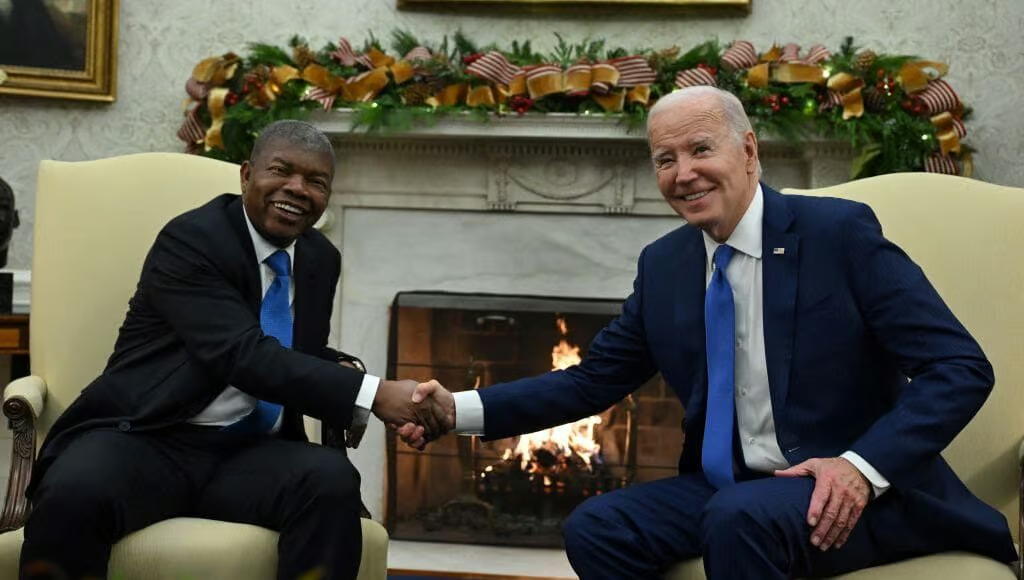
As Biden Travels to Angola, Human Rights Must be Front and Center
October 3, 2024