
How to Hold a Teach-In
About Teach-Ins
What is a Teach-In?
A Teach-in is a session hosted by any group or organization to discuss an important topic. Teach-ins are informative sessions on recent events which people may not be able to understand clearly through news sources alone. It is a chance to inform people about an issue and provide them with opportunities to take action. Thus teach-ins are meant to be interactive as well as informative. Participants of a Teach-in are welcome to ask questions and discuss issues so that they can understand the topic clearly.
Amnesty groups can use teach-ins to educate the members of their own group. They can also make use of teach-ins as an outreach device to educate and mobilize other people in their community. Teach-ins are an excellent opportunity to work with other organizations to educate a broader community.
The measure of successful education is that it leads to action. A teach-in educates people to take action. It is a chance to inform people about an issue and provide them with opportunities to take action. Be sure to balance education and action at your event and allow enough time for people to discuss the issues.
What is the difference between a Teach-in and a Forum?
A forum usually consists of a panel of prominent or knowledgeable speakers that address a group of people. These speakers may often discuss or argue amongst themselves in front of the audience. Although questions are acceptable, it is assumed that attendees are already familiar with the topic. However the purpose of a teach-in is to educate the attendees on a particular issue, with which they may or may not be familiar.
How To Hold A Teach-In
Location
Hold your teach-in at a school, college, house of worship or community center that provides an educational yet informal setting. Be sure that the location is accessible to the community with which you are working.
Preparing For The Teach-In
Once you have secured a time and a place, begin to plan the program of the teach-in.
- First and foremost, decide who will be facilitating and/or speaking at the event.
- Define the key messages your group is trying to teach and figure out what is the best way to convey this information.
- Plan on making the teach-in as interactive as possible with group discussion and activities. Get resources such as charts from Amnesty International reports, video clips, photo exhibits, fact sheets, etc which will strengthen your presentation.
-
Plan on distributing informational handouts that are useful both as a take home guide and as a resource list for participants.
Publicity
Invite members in your community to your teach-in.
- Advertisements can be posted on community boards in some grocery stores or around schools.
- Word of mouth is an especially good way to promote your event.
- Create quarter page flyers and have group members carry some with them at all times to pass out to fellow employees or classmates.
- A personal invitation is more likely to entice a person to come than just looking at an ad.
-
Mass emails are also an easy way to get the word out.
Program for the Teach-In
- A member of your group should open the session with an informative talk, introducing your group, the type of activities that you have been working on, and background information on AI's work on the issue.
- Design one or more small group activities to allow participants to have more in- depth discussions about the topic, do a small group exercise or discuss how they can get involved or plan a next activity.
- Be sure to relate the specific topic of the teach-in to the larger picture of human rights.
- Use a related video as a learning tool.
- Leave time to engage the audience in a discussion about the issues presented and steps for action.
-
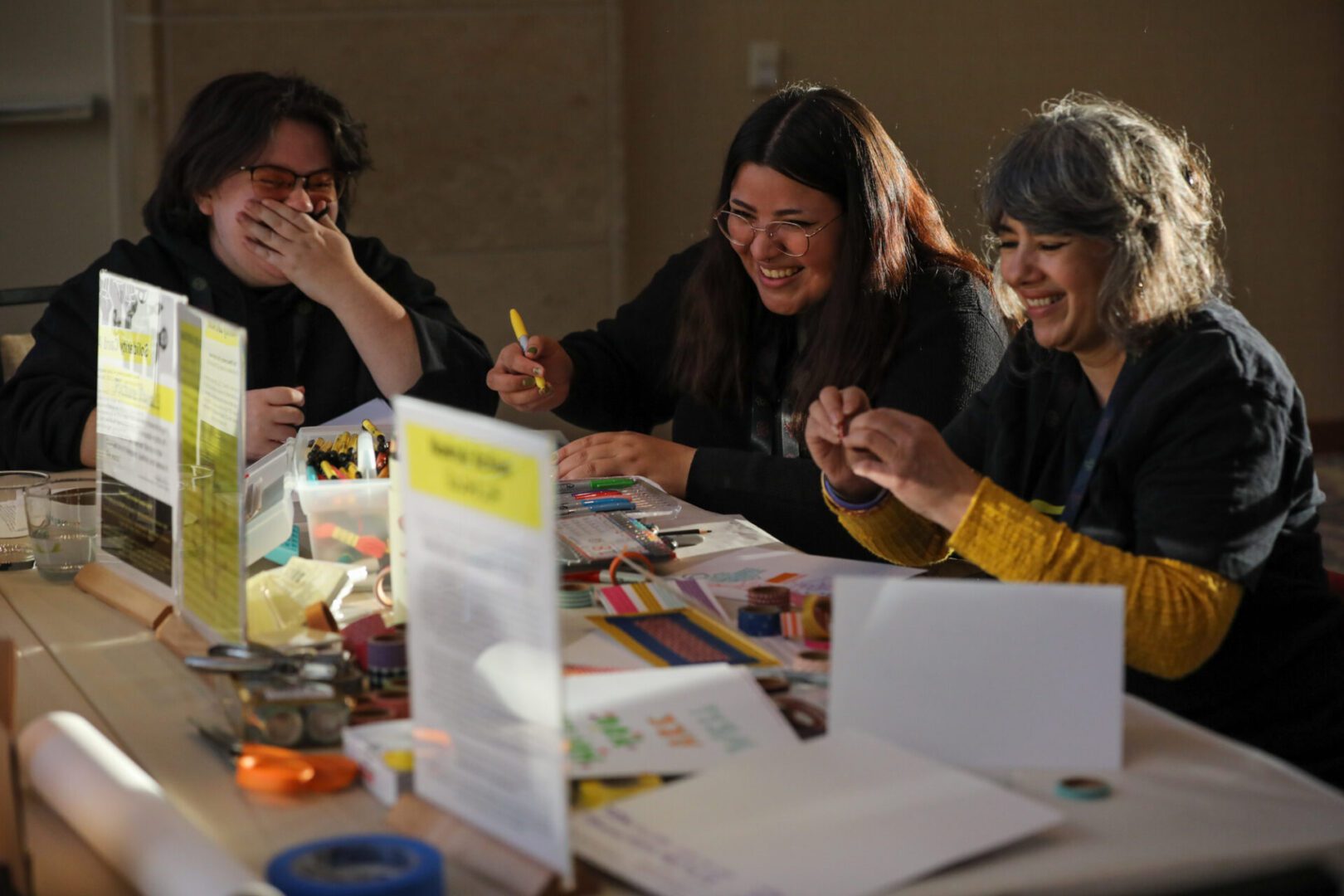
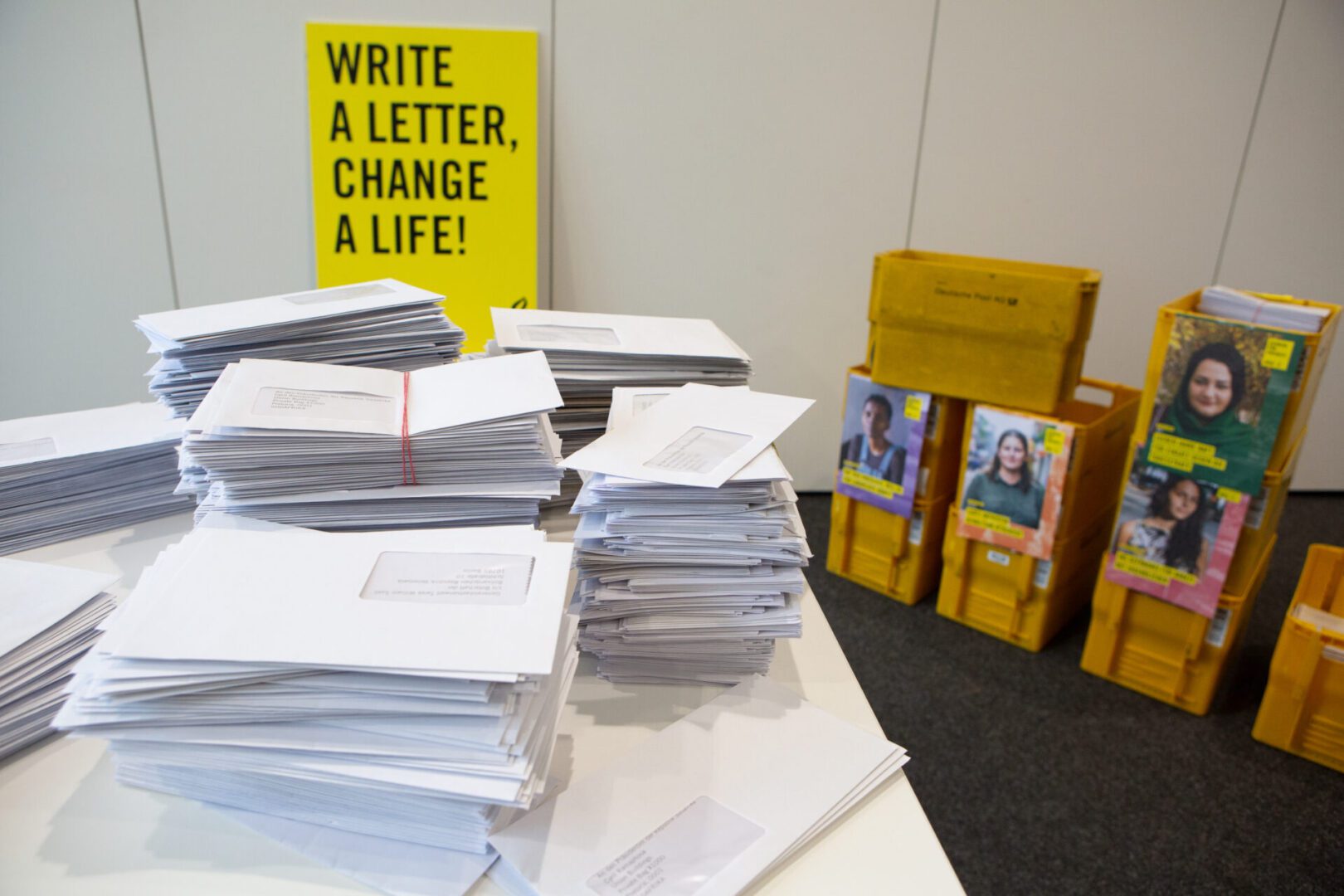
Plan on ending your teach-in with ways that participants can become involved, like letter writing activity or some other action. Bring copies of petitions and sample letters for them to sign or take with them. It is also a good idea to provide sources where they can get more information on the issue such as websites, alternative news sources, books, and newsletters.
Sign-in Sheet
As with all your group events, a sign-in sheet (in PDF) should be passed around to all attendees. This will make it possible for your group to follow up with these individuals later and also provide a possible pool of future members.
Feedback
Pass out an evaluation form to participants so you can learn from your audience how to do an even better job next time. Also, report to your regional office about the success of your event.
Follow-up
Following up is an important way to make sure that participants stay involved. Hosting an event or action within two weeks of the teach-in is great way to tap into the energy generated from the teach-in. Consider a rally or a letter writing drive related to the issue. If a follow-up event is not feasible, at least make sure to contact the attendees from the teach-in to thank them and extend an invitation to work with your Amnesty group in the future.
Teach-In Check List
Secure time and place for teach-in
Arrange for chairs or other seating
Invite and confirm people who will facilitate or speak at the event
Publicize
Make and post flyers
Send out Emails
Get organizers/friends to commit to recruiting x number of people to attend
Finalize program content
Obtain multimedia resources (video clips, posters, etc.)
Arrange for multimedia facilities (TV, VCR, overhead projector, etc.)
Make informational handouts
Send email reminders to members, friends, co-workers, classmates, etc.
Bring sign-in sheet
Bring copies of sample letters to hand out
Bring copies of petitions to hand out
Bring evaluation forms to hand out at the end
Follow up with attendees
Host follow-up action event
Report out about the success of your event to your regional office