The following information is based on the Amnesty International Report 2022/23. This report documented the human rights situation in 156 countries in 2022, as well as providing global and regional analysis. It presents Amnesty International’s concerns and calls for action to governments and others.
SOMALIA
Federal Republic of Somalia
Head of state: Hassan Sheikh Mohamud (replaced
Mohamed Abdullahi Mohamed (Farmaajo) in May) Head of government: Hamza Abdi Barre (replaced
Mohamed Hussein Roble in June) All parties to Somalia’s conflict continued to commit serious violations of international humanitarian law with impunity. Al-Shabaab increased its unlawful attacks against civilians. Conflict along with severe drought caused by lack of rain led to the displacement of over 1.8 million people and a new wave of humanitarian crisis. Internally displaced people faced significant human rights violations; women and girls were particularly exposed to gender-based violence. The government increased the health budget but healthcare provision remained poor and access to water, sanitation and food was severely inadequate. Freedom of expression was restricted, and journalists were attacked, beaten and arbitrarily arrested and prosecuted. Media houses were suspended. In Somaliland, authorities severely restricted the rights to freedom of expression, peaceful assembly and association. BACKGROUND In May, after a protracted electoral process, Somali parliamentarians elected Hassan Sheikh Mohamud as president who, in June, nominated Hamza Abdi Barre as his prime minister. A new cabinet was formed in August.In April, after a 15-year stint, the African Union Mission to Somalia was replaced by the African Union Transitional Mission in Somalia through a UN Security Council resolution. The resolution set out strategies to transfer security responsibilities to Somalia’s army and police force by the end of 2024. The effects of the war in Ukraine, which restricted food imports, the climate crisis and Covid-19’s economic fallout, coupled with four consecutive failed rainy seasons, created dire humanitarian conditions. UNLAWFUL ATTACKS Civilians continued to bear the brunt of the ongoing conflict between the government and its international allies on the one hand and Al-Shabaab on the other. Hundreds of civilians were killed or injured throughout the year. There was no justice and accountability for violations of international humanitarian and human rights law. According to the UN, there were 428 civilian casualties (167 killed and 261 injured) between February and May, 76% of which were the result of unlawful attacks by Al-Shabaab, with the rest attributed to state security forces, clan militias, and international and regional forces. On 23 March, six people, including five foreign nationals, were killed when Al- Shabaab attacked the SafeLane Global compound within the Aden Adde International Airport in the capital, Mogadishu. On the same day, the group carried out two deadly attacks in the town of Beledweyne, around 300km north of Mogadishu. The UN said the attacks resulted in at least 156 casualties – 48 killed, including Amina Mohamed Abdi, a prominent female MP, and 108 injured. In May, the new government stated it would prioritize security, and fighting Al-Shabaab. The armed group responded with increased indiscriminate and targeted attacks, including assassinations. On 19 August, Al-Shabaab carried out a complex attack on the Hotel Hayat in Mogadishu, killing at least 30 people and injuring more than 50 others. After gaining access to the popular hotel using bombs and gunfire, the attackers laid siege to the building for more than 30 hours. The prime minister promised accountability saying “… anyone who neglected their responsibility will be held accountable…”, but no judicial investigations had been opened by the end of the year. On 29 October, Al-Shabaab carried out two car bomb attacks targeting the Ministry of Education building and a busy market intersection in Mogadishu. The attack killed more than 100 people and injured over 300 others (“Somalia: Al-Shabaab must urgently stop carrying out attacks against civilians”, 31 October) RIGHT TO FOOD The failure of four consecutive rainy seasons, combined with the impact of war in Ukraine on food imports, created a dire humanitarian crisis in the country. According to the UN, 7.8 million people – half the population – needed humanitarian assistance to survive. More than 3 million livestock, which pastoralist families rely on for their livelihoods, perished largely due to drought. According to the ICRC, Somalia depended on Russia and Ukraine for more than 90% of its wheat supplies but the war between the two countries interrupted supplies, while rising fuel costs, another consequence of the war, caused a considerable spike in food prices which disproportionally affected those most vulnerable to discrimination, such as internally displaced people, subsistence farmers and people in conflict-affected areas. Catastrophic levels of food insecurity were confirmed in parts of the country, with more than 213,000 people in famine-like conditions. More than 1.5 million children,including infants, faced acute malnutrition, with 386,400 children likely to be severely malnourished. By September, 730 children had died in nutrition centres nationwide. Meanwhile, Al-Shabaab restricted humanitarian access in areas under their control, compounding the crisis. In response, the federal government created the Ministry of Environment and Climate Change and appointed a special presidential envoy for drought response to address the situation. The envoy coordinated local and international efforts, seeking assistance and solidarity for those most affected. International humanitarian actors also increased food, medical and other forms of aid assistance to the affected communities. However, funding fell far short of what was needed to mitigate the crisis. INTERNALLY DISPLACED PEOPLE’S RIGHTS Internally displaced people continued to face significant human rights violations and abuses. More than 1.8 million people were displaced due to the drought and conflict. Between January and August, 188,186 individuals were forcibly evicted across the country, the majority of whom were internally displaced people. Most of those displaced were older people, children and women, including pregnant women and lactating mothers. The lack of adequate shelter and privacy in overcrowded internally displaced people’s settlements increased women and children’s vulnerability to violations such as gender-based violence including rape and physical assaults. In July, Al-Shabaab also carried out large-
scale military attacks along the border with Ethiopia, leading to displacement of local people. SEXUAL AND GENDER-BASED VIOLENCE Sexual violence against women and girls continued. Some attacks were conflict-related and between February and May, the UN reported four such incidents affecting three women and a 15-year-old girl, including an internally displaced woman and a pregnant woman who were raped and killed by their alleged perpetrators. The ongoing drought increased the vulnerability of internally displaced people to gender-based violence. Women and girls were at heightened risk of sexual violence and abuse when travelling long distances to fetch water for their families. The federal parliament failed to pass the Sexual Offences and the Female Genital Mutilation bills. RIGHT TO HEALTH Access to basic healthcare remained poor. The severe drought which affected half the population led to a surge in cases of malnutrition and disease outbreaks; and more people faced difficulties accessing safe water and sanitation, and adequate food. According to the WHO, the number of suspected cholera and measles cases increased sharply compared with previous years. Covid-19 continued to be a major challenge – by September, there were 27,020 confirmed cases and 1,361 related deaths since the outbreak began. Only around 14% of the population had been fully vaccinated by 28 August, with over 4.5 million Covid-19 vaccine doses administered. The government increased the health sector’s budget to USD 58.5 million, from USD 33.6 million in 2021, constituting 6% of the total 2022 budget which was an increase from the average 2% allocated to health in the past five years. FREEDOM OF EXPRESSION Freedom of expression was restricted. Journalists were occasionally attacked by security forces and were subjected to threats, harassment, intimidation, beatings, arbitrary arrests, and prosecution. Nine journalists were injured and two media houses temporarily suspended by the South West State authorities. Authorities in south central Somalia and Puntland restricted journalists’ access to election-related information. Security forces, including National Intelligence and Security Agency officials, prevented journalists from covering opposition campaign events and allegations of widespread election malpractice. On 16 February, police officers in Mogadishu’s Kahda district attacked journalists Ismail Mohamed Muse and Mohamed Hassan Yusuf of Somali Cable TV; and Aweys Mohamud Jila’ow and Mohamud Bari of Five Somali TV. The four journalists were reporting on Al-Shabaab attacks in various locations in the city the previous night. Photographs on social media showed them blindfolded and lying on the ground face down with their hands and legs tied behind their backs. They were all released later that day without charge. On 27 April, police officers blocked a group of journalists from accessing the Afisyoni hangar in Mogadishu where the parliamentary speaker election was taking place. On 15 July, intelligence officers from the South West State arbitrarily arrested journalist Hassan Ali Da’ud of Arlaadi Media Network and detained him in an unknown location. He was arrested after he had reported on the alleged ill-treatment of some South West State lawmakers by security personnel in Baidoa. He was released after 19 days without charge. On 21 August, a police officer from the Haramacad Unit shot M24 TV journalist Ahmed Omar Nur at close range hitting him in the cheek while he was covering the Hotel Hayat attack (see above, Unlawful attacks). According to the Somali Journalists Syndicate
(SJS), a trade union and local media advocacy group, two Haramacad officers were arrested following the incident but were later released on their commander’s orders. On 8 October, the Ministry of Information issued a directive prohibiting the “dissemination of extremist ideologies from both traditional media broadcasts and social media”. Several media freedom advocates, including the SJS’s secretary general, Abdalle Ahmed Mumin, publicly expressed their concerns about its impact on media freedom and the safety of journalists. Abdalle Mumin was subsequently arrested at Aden Adde International Airport and prevented from travelling to Nairobi. He was charged with several offences under the penal code including bringing the nation or the state into contempt and instigating to disobey laws. He was released on bail on 22 October but was banned from travelling abroad until the court concludes his case. SOMALILAND – FREEDOM OF EXPRESSION AND ASSOCIATION
Authorities in Somaliland escalated their clampdown on the right to freedom of expression. Journalists were arbitrarily arrested and prosecuted. At least four media houses were suspended and the internet was shut down to muzzle reporting on protests against delayed presidential elections. On 13 April, Somaliland police arrested at least 15 journalists who were reporting on a shooting incident at the Hargeisa Central Prison that day. Twelve of them were freed on 19 April but the authorities continued to hold Mohamed Abdi Ilig, MM Somali TV director; Abdijabar Mohamed Hussein, Horn Cable TV reporter; and Abdirahman Ali Khalif of Gobonimo TV. On 23 May, the Marodi Jeeh Regional Court in Hargeisa sentenced Mohamed Abdi Ilig and Abdijabar Mohamed Hussein to one year and four months in prison for “the publication of false news”. The court acquitted Abdirahman Ali Khalif. On 2 July, the two sentenced journalists were released under a presidential pardon. On 23 May, the Marodi Jeeh Regional Court of Appeal sentenced journalist and social activist Abdimalik Muse Oldon, who had been detained since August 2021, to two years in prison and a fine of 3 million Somaliland shillings (USD 372). He was charged with “spreading false information and anti-national propaganda”, and “criminal defamation.” He was released on 22 December after completing his jail term. On 11 August, ahead of planned protests organized by opposition politicians across Somaliland, authorities allegedly ordered telecom service providers to shut down the internet. The shutdown lasted nine hours and affected the ability of journalists and others to freely communicate and report on the protests. FREEDOM OF ASSEMBLY On 11 August, security forces used excessive force against protesters challenging delayed presidential elections in the cities of Hargeisa, Burao and Erigavo. According to the Human Rights Centre, a local organization, security forces killed at least five people and injured scores of others while police arrested more than 200 protesters, including journalists and opposition politicians. In September, the findings of an investigation into the 11 August events by the Standing and Ethics Committee of Somaliland’s House of Representatives were released. The committee concluded that security forces had used excessive force against protesters but no one had been arrested or brought before a court in relation to unlawful acts against protesters at the end of the year.
Mohamed Abdullahi Mohamed (Farmaajo) in May) Head of government: Hamza Abdi Barre (replaced
Mohamed Hussein Roble in June) All parties to Somalia’s conflict continued to commit serious violations of international humanitarian law with impunity. Al-Shabaab increased its unlawful attacks against civilians. Conflict along with severe drought caused by lack of rain led to the displacement of over 1.8 million people and a new wave of humanitarian crisis. Internally displaced people faced significant human rights violations; women and girls were particularly exposed to gender-based violence. The government increased the health budget but healthcare provision remained poor and access to water, sanitation and food was severely inadequate. Freedom of expression was restricted, and journalists were attacked, beaten and arbitrarily arrested and prosecuted. Media houses were suspended. In Somaliland, authorities severely restricted the rights to freedom of expression, peaceful assembly and association. BACKGROUND In May, after a protracted electoral process, Somali parliamentarians elected Hassan Sheikh Mohamud as president who, in June, nominated Hamza Abdi Barre as his prime minister. A new cabinet was formed in August.In April, after a 15-year stint, the African Union Mission to Somalia was replaced by the African Union Transitional Mission in Somalia through a UN Security Council resolution. The resolution set out strategies to transfer security responsibilities to Somalia’s army and police force by the end of 2024. The effects of the war in Ukraine, which restricted food imports, the climate crisis and Covid-19’s economic fallout, coupled with four consecutive failed rainy seasons, created dire humanitarian conditions. UNLAWFUL ATTACKS Civilians continued to bear the brunt of the ongoing conflict between the government and its international allies on the one hand and Al-Shabaab on the other. Hundreds of civilians were killed or injured throughout the year. There was no justice and accountability for violations of international humanitarian and human rights law. According to the UN, there were 428 civilian casualties (167 killed and 261 injured) between February and May, 76% of which were the result of unlawful attacks by Al-Shabaab, with the rest attributed to state security forces, clan militias, and international and regional forces. On 23 March, six people, including five foreign nationals, were killed when Al- Shabaab attacked the SafeLane Global compound within the Aden Adde International Airport in the capital, Mogadishu. On the same day, the group carried out two deadly attacks in the town of Beledweyne, around 300km north of Mogadishu. The UN said the attacks resulted in at least 156 casualties – 48 killed, including Amina Mohamed Abdi, a prominent female MP, and 108 injured. In May, the new government stated it would prioritize security, and fighting Al-Shabaab. The armed group responded with increased indiscriminate and targeted attacks, including assassinations. On 19 August, Al-Shabaab carried out a complex attack on the Hotel Hayat in Mogadishu, killing at least 30 people and injuring more than 50 others. After gaining access to the popular hotel using bombs and gunfire, the attackers laid siege to the building for more than 30 hours. The prime minister promised accountability saying “… anyone who neglected their responsibility will be held accountable…”, but no judicial investigations had been opened by the end of the year. On 29 October, Al-Shabaab carried out two car bomb attacks targeting the Ministry of Education building and a busy market intersection in Mogadishu. The attack killed more than 100 people and injured over 300 others (“Somalia: Al-Shabaab must urgently stop carrying out attacks against civilians”, 31 October) RIGHT TO FOOD The failure of four consecutive rainy seasons, combined with the impact of war in Ukraine on food imports, created a dire humanitarian crisis in the country. According to the UN, 7.8 million people – half the population – needed humanitarian assistance to survive. More than 3 million livestock, which pastoralist families rely on for their livelihoods, perished largely due to drought. According to the ICRC, Somalia depended on Russia and Ukraine for more than 90% of its wheat supplies but the war between the two countries interrupted supplies, while rising fuel costs, another consequence of the war, caused a considerable spike in food prices which disproportionally affected those most vulnerable to discrimination, such as internally displaced people, subsistence farmers and people in conflict-affected areas. Catastrophic levels of food insecurity were confirmed in parts of the country, with more than 213,000 people in famine-like conditions. More than 1.5 million children,including infants, faced acute malnutrition, with 386,400 children likely to be severely malnourished. By September, 730 children had died in nutrition centres nationwide. Meanwhile, Al-Shabaab restricted humanitarian access in areas under their control, compounding the crisis. In response, the federal government created the Ministry of Environment and Climate Change and appointed a special presidential envoy for drought response to address the situation. The envoy coordinated local and international efforts, seeking assistance and solidarity for those most affected. International humanitarian actors also increased food, medical and other forms of aid assistance to the affected communities. However, funding fell far short of what was needed to mitigate the crisis. INTERNALLY DISPLACED PEOPLE’S RIGHTS Internally displaced people continued to face significant human rights violations and abuses. More than 1.8 million people were displaced due to the drought and conflict. Between January and August, 188,186 individuals were forcibly evicted across the country, the majority of whom were internally displaced people. Most of those displaced were older people, children and women, including pregnant women and lactating mothers. The lack of adequate shelter and privacy in overcrowded internally displaced people’s settlements increased women and children’s vulnerability to violations such as gender-based violence including rape and physical assaults. In July, Al-Shabaab also carried out large-
scale military attacks along the border with Ethiopia, leading to displacement of local people. SEXUAL AND GENDER-BASED VIOLENCE Sexual violence against women and girls continued. Some attacks were conflict-related and between February and May, the UN reported four such incidents affecting three women and a 15-year-old girl, including an internally displaced woman and a pregnant woman who were raped and killed by their alleged perpetrators. The ongoing drought increased the vulnerability of internally displaced people to gender-based violence. Women and girls were at heightened risk of sexual violence and abuse when travelling long distances to fetch water for their families. The federal parliament failed to pass the Sexual Offences and the Female Genital Mutilation bills. RIGHT TO HEALTH Access to basic healthcare remained poor. The severe drought which affected half the population led to a surge in cases of malnutrition and disease outbreaks; and more people faced difficulties accessing safe water and sanitation, and adequate food. According to the WHO, the number of suspected cholera and measles cases increased sharply compared with previous years. Covid-19 continued to be a major challenge – by September, there were 27,020 confirmed cases and 1,361 related deaths since the outbreak began. Only around 14% of the population had been fully vaccinated by 28 August, with over 4.5 million Covid-19 vaccine doses administered. The government increased the health sector’s budget to USD 58.5 million, from USD 33.6 million in 2021, constituting 6% of the total 2022 budget which was an increase from the average 2% allocated to health in the past five years. FREEDOM OF EXPRESSION Freedom of expression was restricted. Journalists were occasionally attacked by security forces and were subjected to threats, harassment, intimidation, beatings, arbitrary arrests, and prosecution. Nine journalists were injured and two media houses temporarily suspended by the South West State authorities. Authorities in south central Somalia and Puntland restricted journalists’ access to election-related information. Security forces, including National Intelligence and Security Agency officials, prevented journalists from covering opposition campaign events and allegations of widespread election malpractice. On 16 February, police officers in Mogadishu’s Kahda district attacked journalists Ismail Mohamed Muse and Mohamed Hassan Yusuf of Somali Cable TV; and Aweys Mohamud Jila’ow and Mohamud Bari of Five Somali TV. The four journalists were reporting on Al-Shabaab attacks in various locations in the city the previous night. Photographs on social media showed them blindfolded and lying on the ground face down with their hands and legs tied behind their backs. They were all released later that day without charge. On 27 April, police officers blocked a group of journalists from accessing the Afisyoni hangar in Mogadishu where the parliamentary speaker election was taking place. On 15 July, intelligence officers from the South West State arbitrarily arrested journalist Hassan Ali Da’ud of Arlaadi Media Network and detained him in an unknown location. He was arrested after he had reported on the alleged ill-treatment of some South West State lawmakers by security personnel in Baidoa. He was released after 19 days without charge. On 21 August, a police officer from the Haramacad Unit shot M24 TV journalist Ahmed Omar Nur at close range hitting him in the cheek while he was covering the Hotel Hayat attack (see above, Unlawful attacks). According to the Somali Journalists Syndicate
(SJS), a trade union and local media advocacy group, two Haramacad officers were arrested following the incident but were later released on their commander’s orders. On 8 October, the Ministry of Information issued a directive prohibiting the “dissemination of extremist ideologies from both traditional media broadcasts and social media”. Several media freedom advocates, including the SJS’s secretary general, Abdalle Ahmed Mumin, publicly expressed their concerns about its impact on media freedom and the safety of journalists. Abdalle Mumin was subsequently arrested at Aden Adde International Airport and prevented from travelling to Nairobi. He was charged with several offences under the penal code including bringing the nation or the state into contempt and instigating to disobey laws. He was released on bail on 22 October but was banned from travelling abroad until the court concludes his case. SOMALILAND – FREEDOM OF EXPRESSION AND ASSOCIATION
Authorities in Somaliland escalated their clampdown on the right to freedom of expression. Journalists were arbitrarily arrested and prosecuted. At least four media houses were suspended and the internet was shut down to muzzle reporting on protests against delayed presidential elections. On 13 April, Somaliland police arrested at least 15 journalists who were reporting on a shooting incident at the Hargeisa Central Prison that day. Twelve of them were freed on 19 April but the authorities continued to hold Mohamed Abdi Ilig, MM Somali TV director; Abdijabar Mohamed Hussein, Horn Cable TV reporter; and Abdirahman Ali Khalif of Gobonimo TV. On 23 May, the Marodi Jeeh Regional Court in Hargeisa sentenced Mohamed Abdi Ilig and Abdijabar Mohamed Hussein to one year and four months in prison for “the publication of false news”. The court acquitted Abdirahman Ali Khalif. On 2 July, the two sentenced journalists were released under a presidential pardon. On 23 May, the Marodi Jeeh Regional Court of Appeal sentenced journalist and social activist Abdimalik Muse Oldon, who had been detained since August 2021, to two years in prison and a fine of 3 million Somaliland shillings (USD 372). He was charged with “spreading false information and anti-national propaganda”, and “criminal defamation.” He was released on 22 December after completing his jail term. On 11 August, ahead of planned protests organized by opposition politicians across Somaliland, authorities allegedly ordered telecom service providers to shut down the internet. The shutdown lasted nine hours and affected the ability of journalists and others to freely communicate and report on the protests. FREEDOM OF ASSEMBLY On 11 August, security forces used excessive force against protesters challenging delayed presidential elections in the cities of Hargeisa, Burao and Erigavo. According to the Human Rights Centre, a local organization, security forces killed at least five people and injured scores of others while police arrested more than 200 protesters, including journalists and opposition politicians. In September, the findings of an investigation into the 11 August events by the Standing and Ethics Committee of Somaliland’s House of Representatives were released. The committee concluded that security forces had used excessive force against protesters but no one had been arrested or brought before a court in relation to unlawful acts against protesters at the end of the year.
Relevant Links
- Abdalle Mumin: A human rights activist and giant of Somali journalism
- Somaliland: Urgent investigation needed as fighting takes heavy toll on civilians in Las Anod
- Somalia: Al-Shabaab must urgently stop carrying out attacks against civilians
- Somalia: Amnesty International urges new government to adopt 10-point human rights plan
- Somalia: “We Just Watched Covid-19 Patients Die”: Covid-19 Exposed Somalia’s Weak Healthcare System but Debt Relief Can Transform It (Index: AFR 52/4602/2021)
- For more information visit the Amnesty.org country page
The Latest
BRENDAN SMIALOWSKI/AFP/Getty Images
Press Release
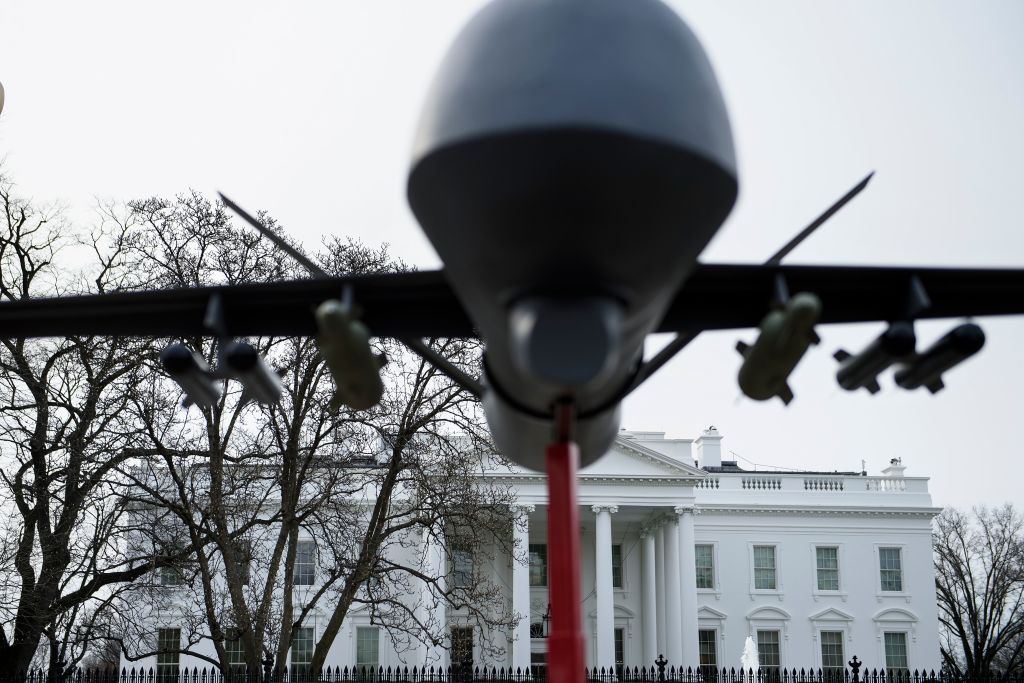
US must not abandon civilian victims of its air strikes in Somalia after troop withdrawal
December 7, 2020
AKUOT CHOL/AFP via Getty Images
Press Release
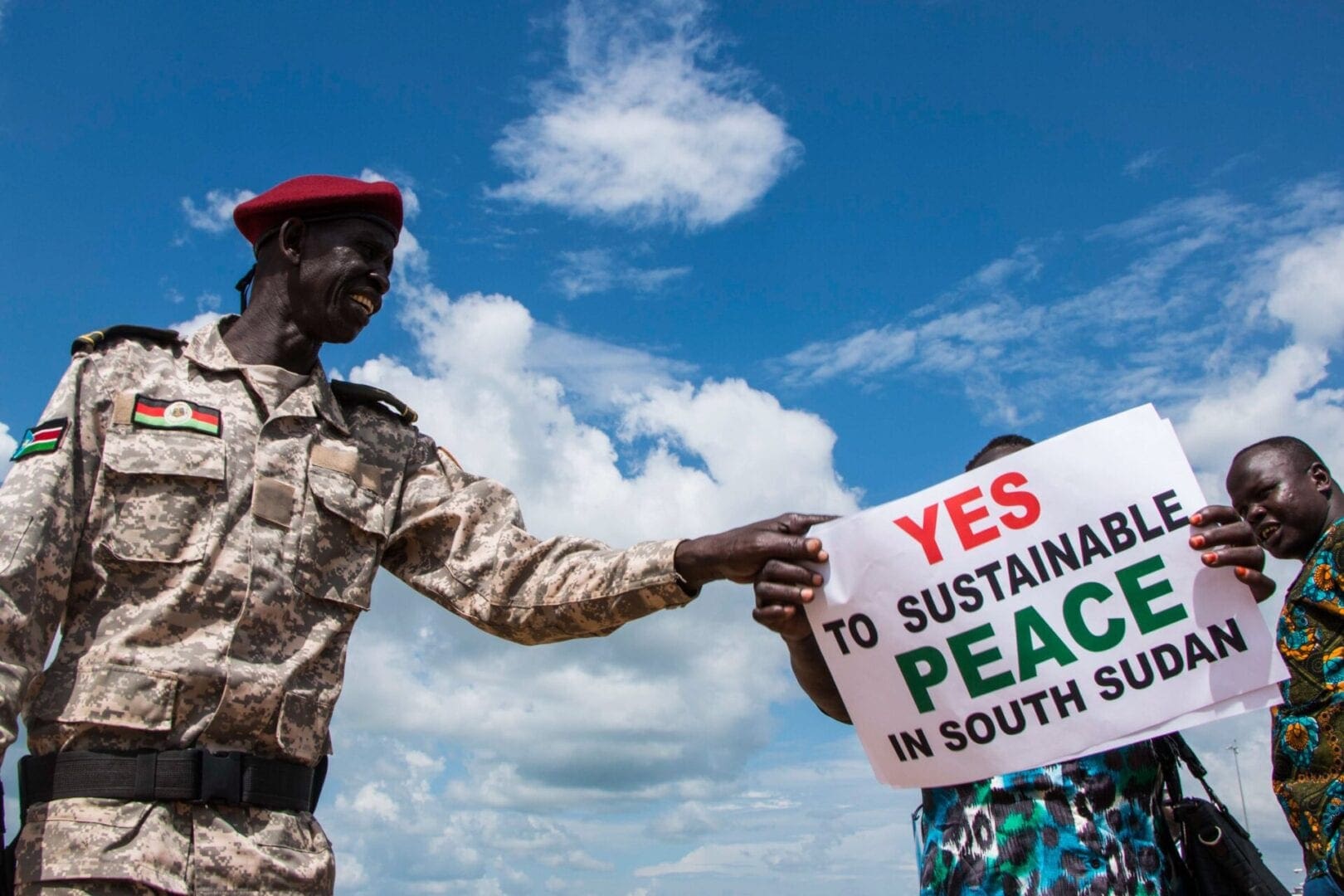
Regional human rights bodies struggle to uphold rights amid political headwinds in Africa
October 20, 2020
Press Release
AFRICOM Yet to Compensate Somali Families, Despite Casualty Admissions
July 28, 2020 – AFRICOM
Press Release
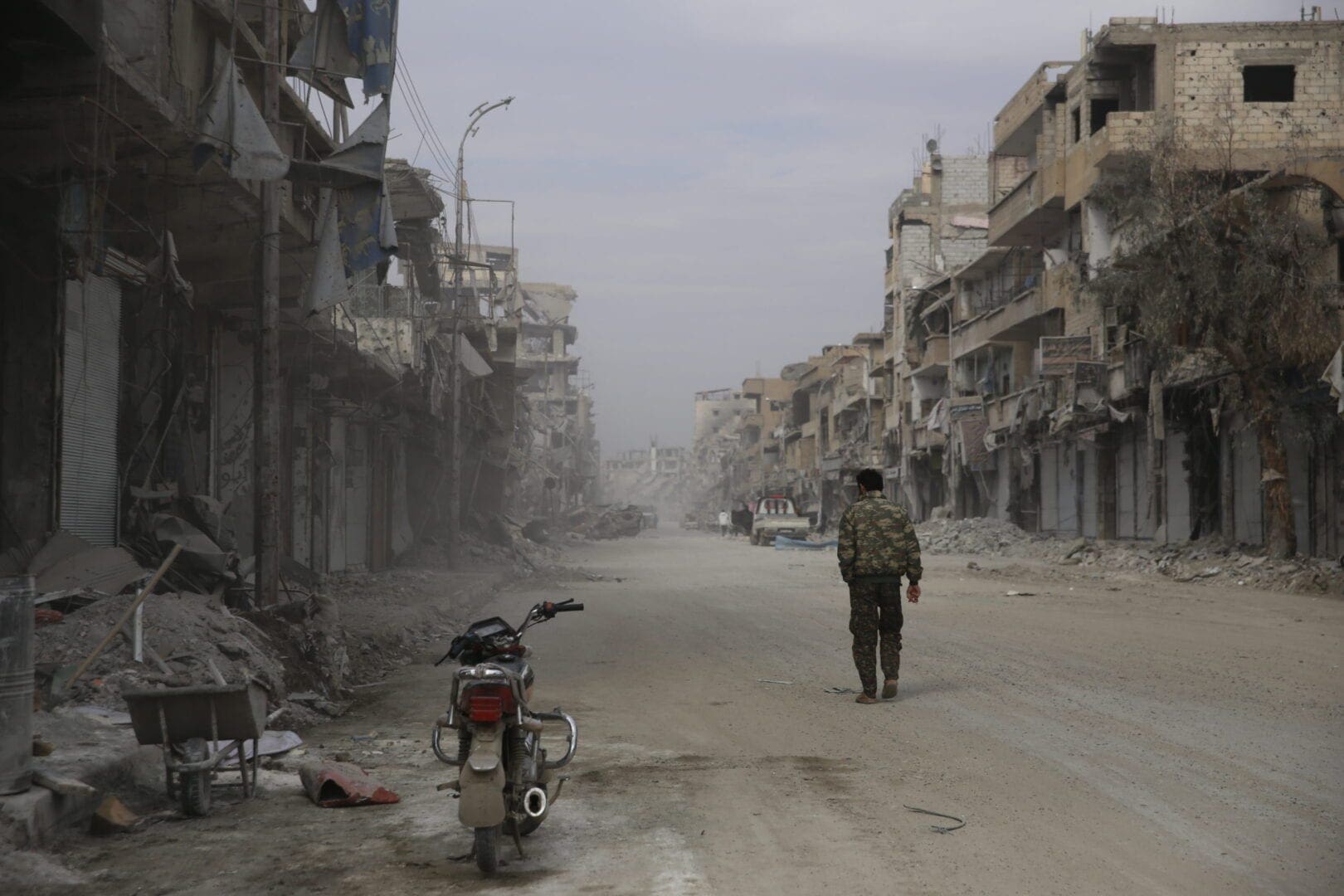
Defense Department undercounts civilian casualties in new reporting
May 6, 2020 – civilian casualties
BRENDAN SMIALOWSKI/AFP/Getty Images
Press Release
U.S. military sheds some light on civilian casualties from shadowy war in Somalia
April 27, 2020 – AFRICOM
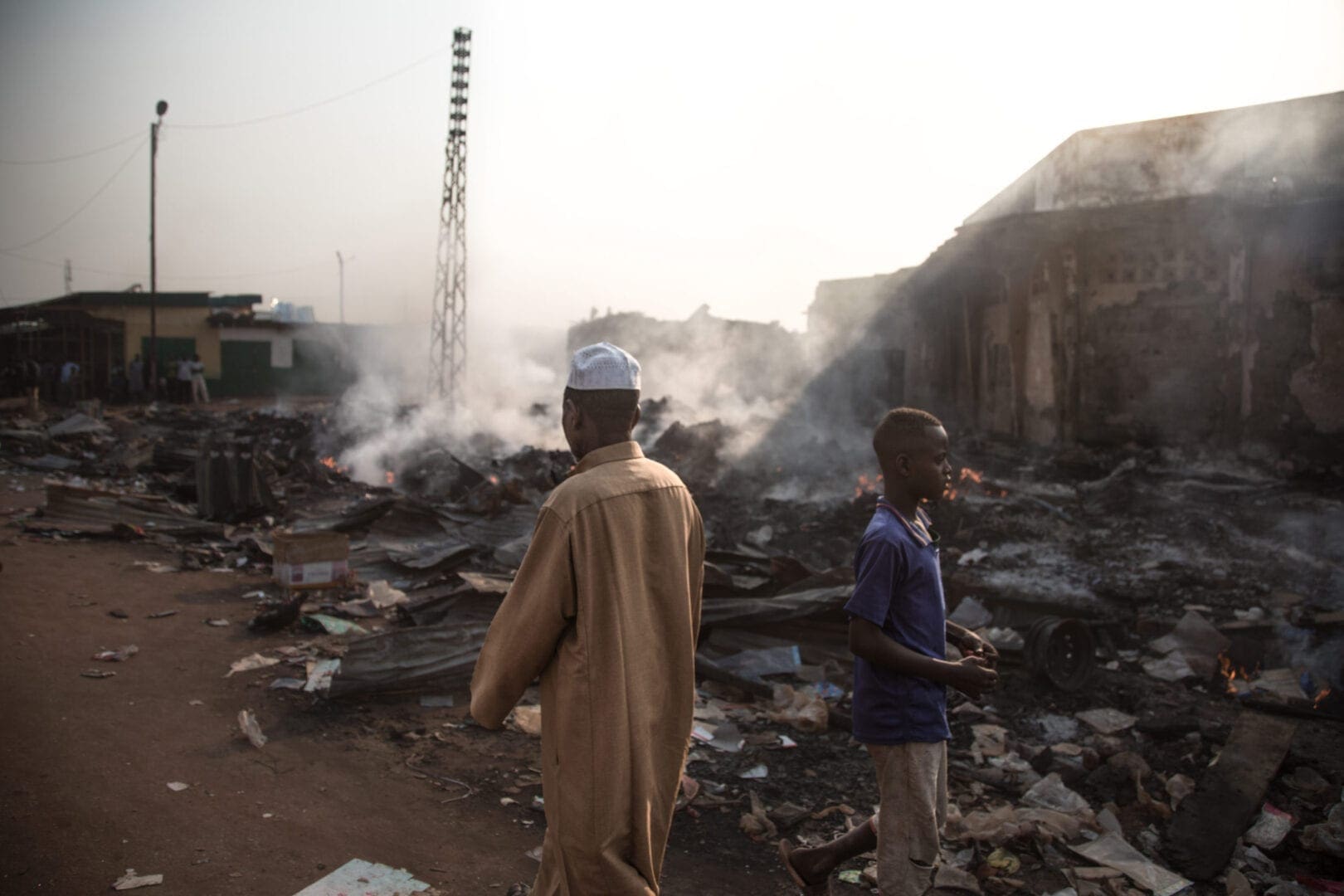
Two people walk among the burning rubbles in the Koudoukou market, in the PK5 district in Bangui on December 26, 2019, after clashes erupted when traders took up arms to oppose taxes levied by militia groups. – At least 11 people were killed in fighting between militiamen and traders in a restive district of Bangui, the capital of the Central African Republic, two security officials and an imam said on December 26, 2019. The security sources said between 11 and 14 people died after clashes erupted late on December 25, 2019, while the imam, Awad Al Karim, said “16 bodies” had been brought to the local Ali Babolo mosque. (Photo by FLORENT VERGNES / AFP) (Photo by FLORENT VERGNES/AFP via Getty Images)
Press Release
Armed conflicts and state repression in Africa fuel cocktail of human rights violations
April 7, 2020 – abuses by armed groups
BRENDAN SMIALOWSKI/AFP/Getty Images
Press Release
Zero accountability as civilian deaths mount in Somalia from U.S. air strikes
March 30, 2020 – AFRICOM
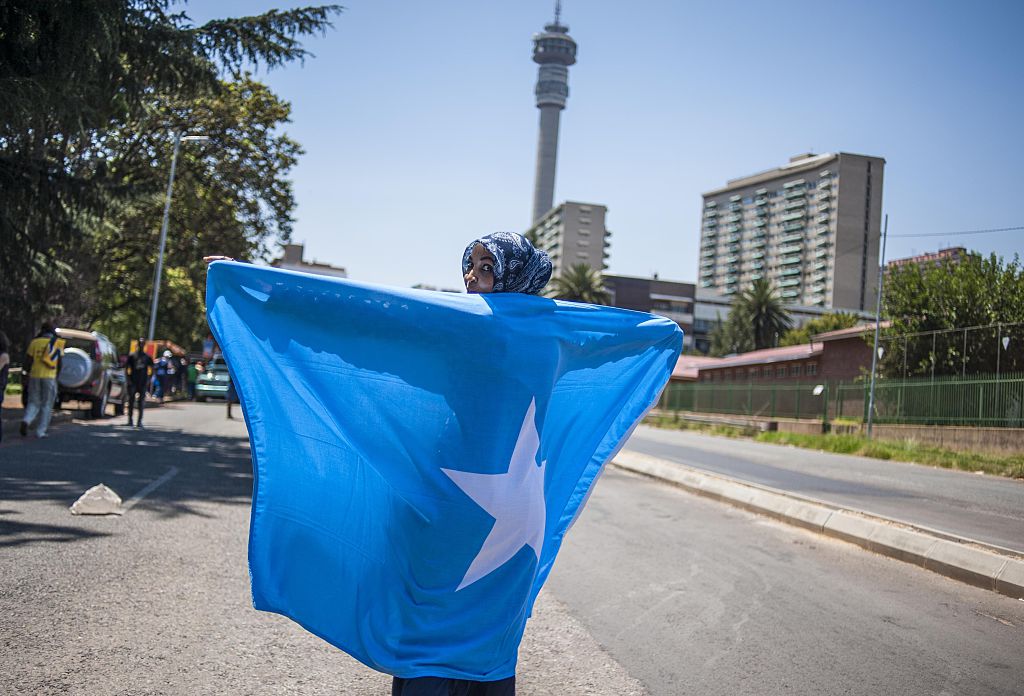
JOHANNESBURG, SOUTH AFRICA – FEBRUARY 12 : A demonstrator from Somalia poses with a Somalian flag during a protest as thousands of people march from Pieter Roos Park to Hillbrow during a protest against xenophobia in the street of Johannesburg in Johannesburg, South Africa on February 12, 2015. (Photo by Ihsaan Haffeje/Anadolu Agency/Getty Images)
Press Release
Killings, Corruption and Censorship Besiege Media Freedom in Somalia
February 12, 2020 – censorship
Press Release
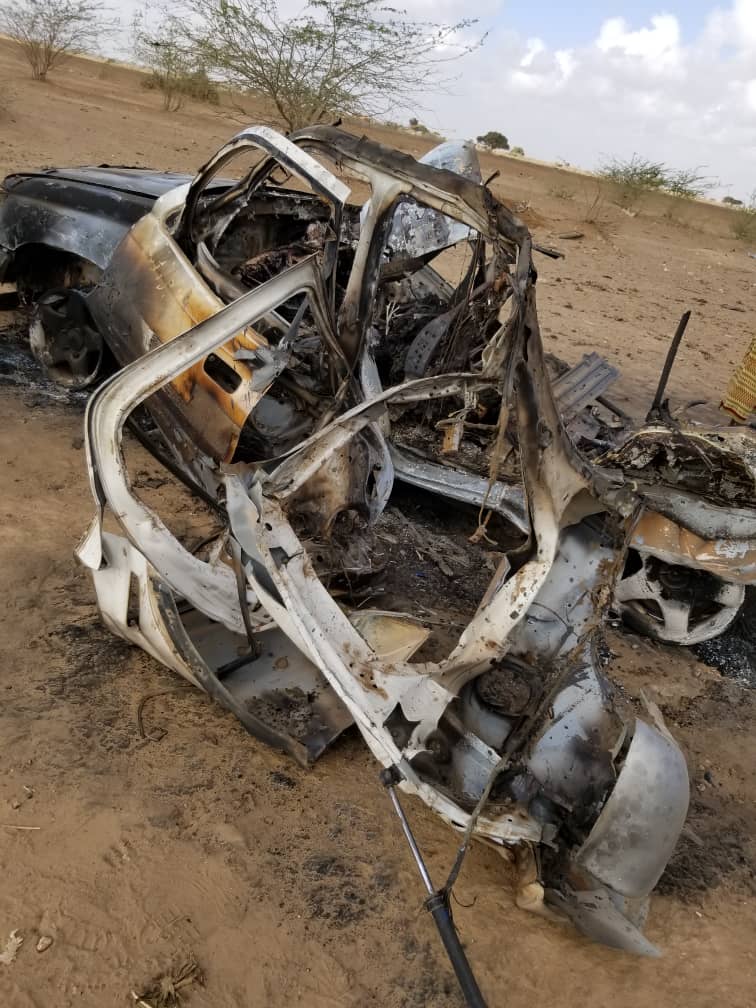
U.S. Military Shows Appalling Disregard for Civilians Killed in Somalia Air Strike
September 30, 2019 – Africa
©Getty Images
Press Release
Catastrophic failure as civilians ravaged by war violations 70 years after Geneva Conventions
May 22, 2019 – civilian protection
BRENDAN SMIALOWSKI/AFP/Getty Images
Press Release
AFRICOM Civilian Casualties Reporting Must Be Amended
April 5, 2019 – civilian casualties